Get your free personalized podcast brief
We scan new podcasts and send you the top 5 insights daily.
Reprogramming mature blood cells directly into neural stem cells circumvents the standard intermediate embryonic state, allowing biological clocks to rewind decades. This deliberate, slow-motion rejuvenation process gives scientists an unprecedented observational window to map exact anti-aging mechanisms.

Related Insights
Nobel Prize-winning research identified genes (Yamanaka factors) that revert specialized adult cells back into their embryonic, stem-cell state. This discovery proves cellular differentiation and aging are not irreversible, opening the door for regenerative therapies by "rebooting" cells to an earlier state.

Aging is not inevitable decay but a process of epigenetic markers moving to the wrong positions on our DNA, causing cells to malfunction. New science shows these 'switches' can be reset using specific proteins, effectively reversing the aging process in cells and making them young again.

Aging is not wear and tear, but a loss of epigenetic information. Cells lose their identity, akin to corrupted software. The body holds a "backup copy" of youthful information that can be reinstalled, fundamentally making age reversal possible.

In a process called parabiosis, surgically joining a young and old mouse to share circulation revealed that factors in young blood can reverse key aging markers in the brain. This led to reactivated stem cells, reduced inflammation, and improved memory in the older mice.

Rejuvenating damaged cells in place through chemical or epigenetic intervention only achieves partial repair because old cells are complex machines. Fully reprogramming older cells into induced pluripotent stem cells winds their biological clock back to age zero, mirroring embryonic development. For cell types like hematopoietic stem cells that can be engrafted into bone marrow without disrupting complex 3D tissue architectures, cell replacement achieves near total biological renewal.

The key to safely reversing cellular age was removing the "M" gene (c-Myc) from the set of four Yamanaka factors. This allows the process to reset cells by about 75% and then stop, preventing them from becoming cancerous or reverting fully to undifferentiated stem cells.

Anti-aging research has two main branches. The common approach is to slow the accumulation of damage. A more revolutionary strategy is cellular rejuvenation, which tries to reprogram cells to a younger state, effectively reversing their biological clock rather than just pausing its progression.
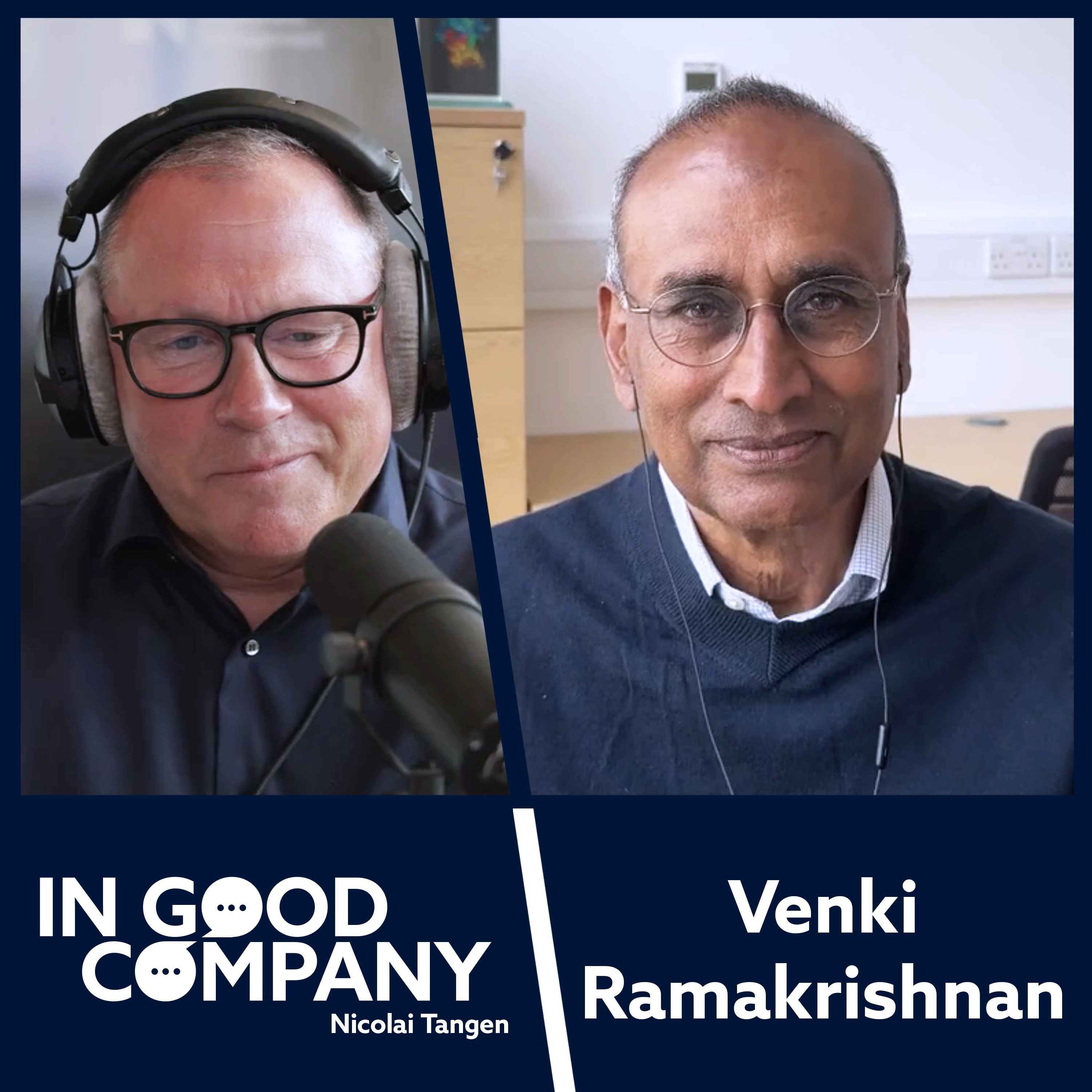
The scientific consensus is shifting: aging is not random decay but a predictable process of epigenetic errors. Over time, the molecular "switches" that turn genes on and off get scrambled. Technologies like Yamanaka factors can reset these switches, effectively reverting cells to a youthful state and reversing age-related diseases.
A major technical obstacle in regenerative medicine is that cells from elderly individuals reprogram far less effectively than young cells, sometimes failing entirely. By applying generative AI models to protein engineering, Retro Biosciences synthesized novel versions of classic Yamanaka transcription factors. These AI-designed factors accelerate the reprogramming trajectory and yield substantially higher percentages of functional stem cells, directly enabling clinical therapies for older patients.
Scientists are growing "mini-brains" that exhibit electrical activity which fades with age, mimicking neurological decline. Applying a specific chemical cocktail successfully restores this activity, providing a novel, real-time model for testing age-reversal therapies for the brain.