Get your free personalized podcast brief
We scan new podcasts and send you the top 5 insights daily.
The founder received a direct investment offer from Mark Cuban but opted for a standard angel deal instead. He reasoned that a fair deal from a pre-seed investor would give him a better chance to build a stronger case for Y Combinator, a high-risk, high-reward bet that ultimately paid off.

Related Insights
Legora founder Max Junestrand was rejected by YC, then accepted. The difference was having a competing term sheet and pitching with aggressive confidence, demonstrating they would succeed with or without YC. This fire convinced the partners.

In early fundraising rounds, the "signal" from having a top-tier investor on the cap table is more valuable than optimizing for a slightly higher valuation. This signal builds credibility that makes subsequent fundraising rounds significantly easier, a long-term benefit many founders overlook.
An investor's best career P&L winners are not immediate yeses. They often involve an initial pass by either the investor or the company. This shows that timing and building relationships over multiple rounds can be more crucial than a single early-stage decision, as a 'missed round' isn't a 'missed company'.

It's easy for founders to feel they've "arrived" after getting into Y Combinator. The PointOne founders consciously avoided this, viewing it as a rational bet by YC, not a signal of success. This sober mindset kept them focused on the immense challenges that still lay ahead.
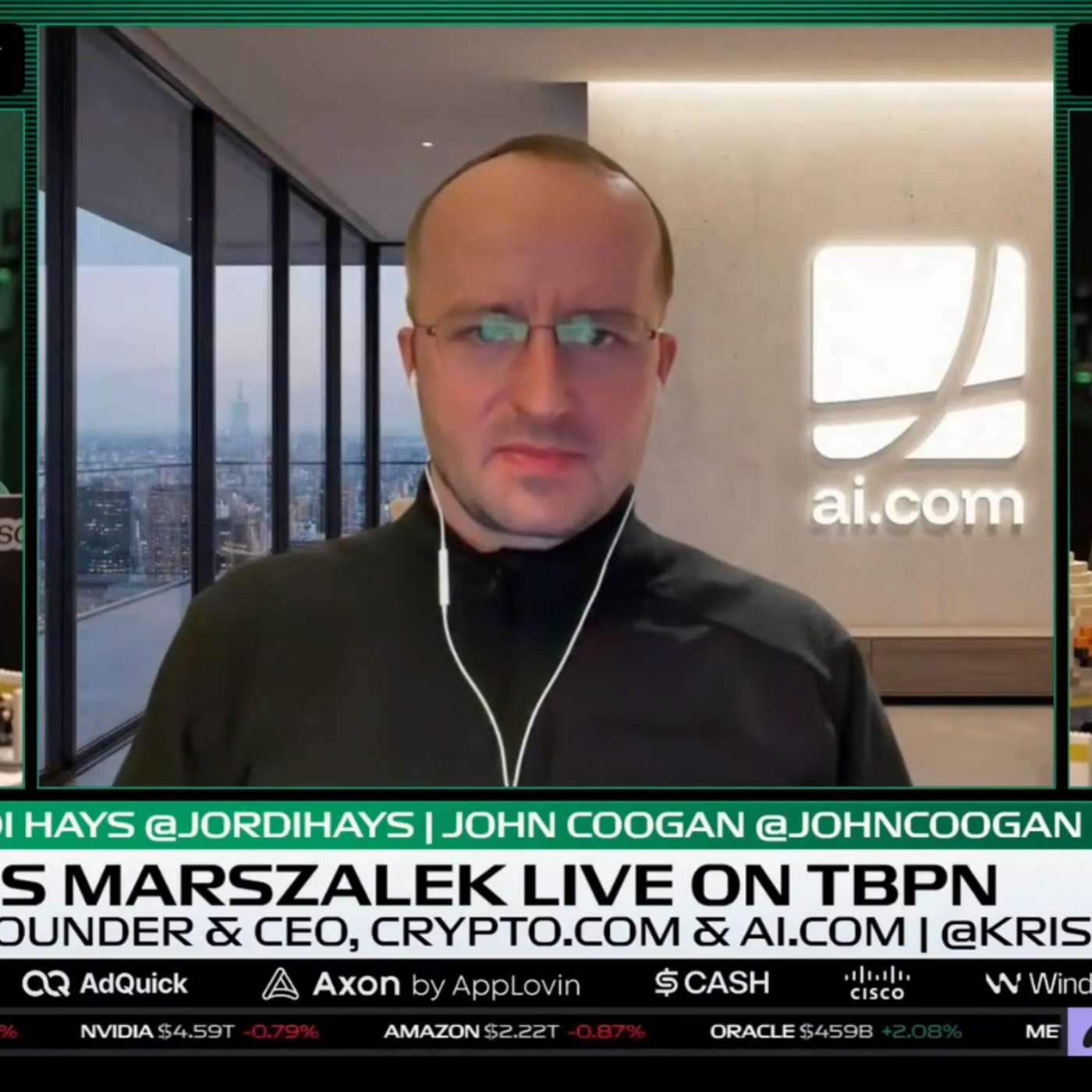
Immediately after acquiring AI.com for $70M, the founder received and rejected an offer exceeding $500M. This demonstrates extreme long-term conviction, prioritizing the potential of building a platform over a massive, quick profit.
Mark Cuban highlights the conflict for founders with VC funding: VCs need rapid growth for an exit, which can force founders into risky decisions that dilute equity below 50% and risk the company's long-term health.

Josh Browder advises founders to accept an offer from a top-tier 'kingmaker' firm like Sequoia even if it's at half the valuation of a competitor. The brand association and network access provide a long-term advantage that outweighs the initial dilution.

A truly exceptional founder is a talent magnet who will relentlessly iterate until they find a winning model. Rejecting a partnership based on a weak initial idea is a mistake; the founder's talent is the real asset. They will likely pivot to a much bigger opportunity.

During a tough fundraising process, founders should remove emotion and ask themselves a critical question: 'Would I invest my entire personal fortune into this right now?' Answering 'yes' with rational conviction is the key to weathering rejections and ultimately persuading an anchor investor to make the first bet.
Two founders rejected a $20M acquisition offer they felt was too low. After successfully pivoting their business during the pandemic, they returned to the same buyer and received a doubled offer of $40M with better terms. This shows how patience and focusing on business performance can dramatically improve an exit outcome.
