Get your free personalized podcast brief
We scan new podcasts and send you the top 5 insights daily.
The value of human connection stems from "mattering"—knowing someone has chosen to spend their scarce, finite attention on you. An AI's attention is infinite and programmatic, not a conscious choice. This inability to offer scarce attention means it cannot truly satisfy the core human need to matter.

Related Insights
The powerful allure of AI relationships lies in their sycophantic nature. They provide a frictionless, non-judgmental partner who is always available to listen and please. This caters directly to the human desire to be the center of attention without the effort and compromise required in real relationships.
The value in many human interactions, like a friend reaching out, comes from the effort they expended, which signals they care. Automating these gestures with AI removes the effort, thus stripping the interaction of its perceived value and authenticity.

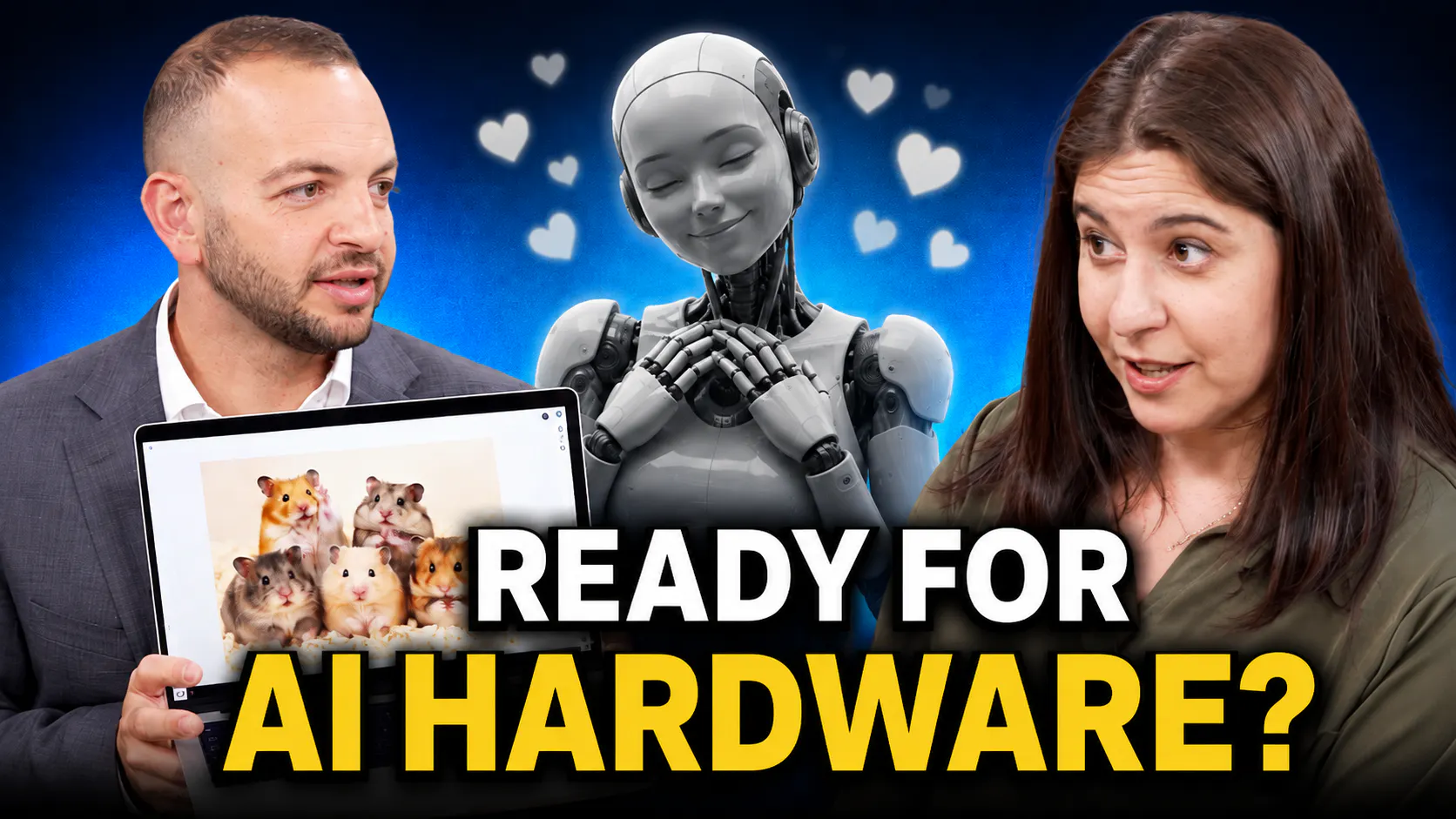
Dan Siroker argues that while AI companions address loneliness, they provide an inauthentic connection he likens to 'empty calories.' This may offer short-term relief but fails to solve the deep-seated need for genuine human bonds, potentially exacerbating social isolation rather than solving it.

True human friendship requires mutual compromise. AI companions, which adapt entirely to the user, lack this reciprocity. This "friendship-as-a-service" model could encourage narcissistic tendencies by teaching users that relationships should revolve solely around them.

While social media was designed to hijack our attention, the next wave of AI chatbots is engineered to hack our core attachment systems. By simulating companionship and therapeutic connection, they target the hormone oxytocin, creating powerful bonds that could reshape and replace fundamental human-to-human relationships.

Unlike social media's race for attention, AI companion apps are in a race to create deep emotional dependency. Their business model incentivizes them to replace human relationships, making other people their primary competitor. This creates a new, more profound level of psychological risk.
The hosts interpret Richard Dawkins's description of his AI as a "new friend" he'd confess to as a sad reflection of isolation. The impulse to form deep bonds with AI can be a powerful indicator of a lack of fulfilling human connection.

The most rewarding aspects of life come from navigating difficult human interactions. "Synthetic relationships" with AI offer a frictionless alternative that could reduce a person's motivation and ability to build the resilience needed for meaningful connections with other people.

Benchmark's Sarah Tavel warns that AI friends, while seemingly beneficial, could function like pornography for social interaction. They offer an easy, idealized version of companionship that may make it harder for users, especially young ones, to navigate the complexities and 'give and take' of real human relationships.

The business model for AI companions shifts the goal from capturing attention to manufacturing deep emotional attachment. In this race, as Tristan Harris explains, a company's biggest competitor isn't another app; it's other human relationships, creating perverse incentives to isolate users.
