Get your free personalized podcast brief
We scan new podcasts and send you the top 5 insights daily.
Contrary to market hopes for near-term policy hints, Fed Chairman Warsh is expected to use the Jackson Hole venue to discuss long-term, structural questions. Topics will likely include the Fed's balance sheet, inflation framework, communication strategy, and the impact of AI, rather than providing forward guidance for upcoming meetings.

Related Insights
The Fed is abandoning its 15-year strategy of using detailed "forward guidance" to suppress market volatility. This shift under new leadership towards more succinct communication suggests a new market regime characterized by higher interest rate volatility and less Fed hand-holding.

The market misinterpreted Fed Chair Warsh's press conference as a loss of credibility. The speakers argue he clearly signaled a new strategy: tightening financial conditions by letting the Fed's balance sheet shrink, allowing long-term bond yields to rise naturally, rather than relying on front-end rate hikes.

Economist Ethan Harris argues Chair Warsh's strategy is to use hawkish rhetoric about inflation targets to build credibility while pursuing a dovish policy. He justifies this by arguing a massive AI-driven productivity boom will solve the inflation problem for him, an intellectually consistent but high-risk bet.

Warsh's refusal to give forward guidance and his opaque communication style forces analysts to revert to a "Greenspan era" of Fed watching. His consistent focus on productivity and use of task forces to delay decisions are key signals that he intends to do nothing on rates for the foreseeable future.
Fed Chair Kevin Warsh is intentionally reducing 'forward guidance,' the practice of promising specific future interest rate actions. This results in shorter, less explicit public statements. While this gives the Fed more flexibility, it also introduces more volatility and uncertainty for markets and business leaders.

While presidents focus on interest rates, a Fed Chair like Kevin Warsh has limited sway as one of 12 votes. His real impact will be on technical areas like the Fed's balance sheet, where he has stronger personal convictions and faces less political scrutiny.
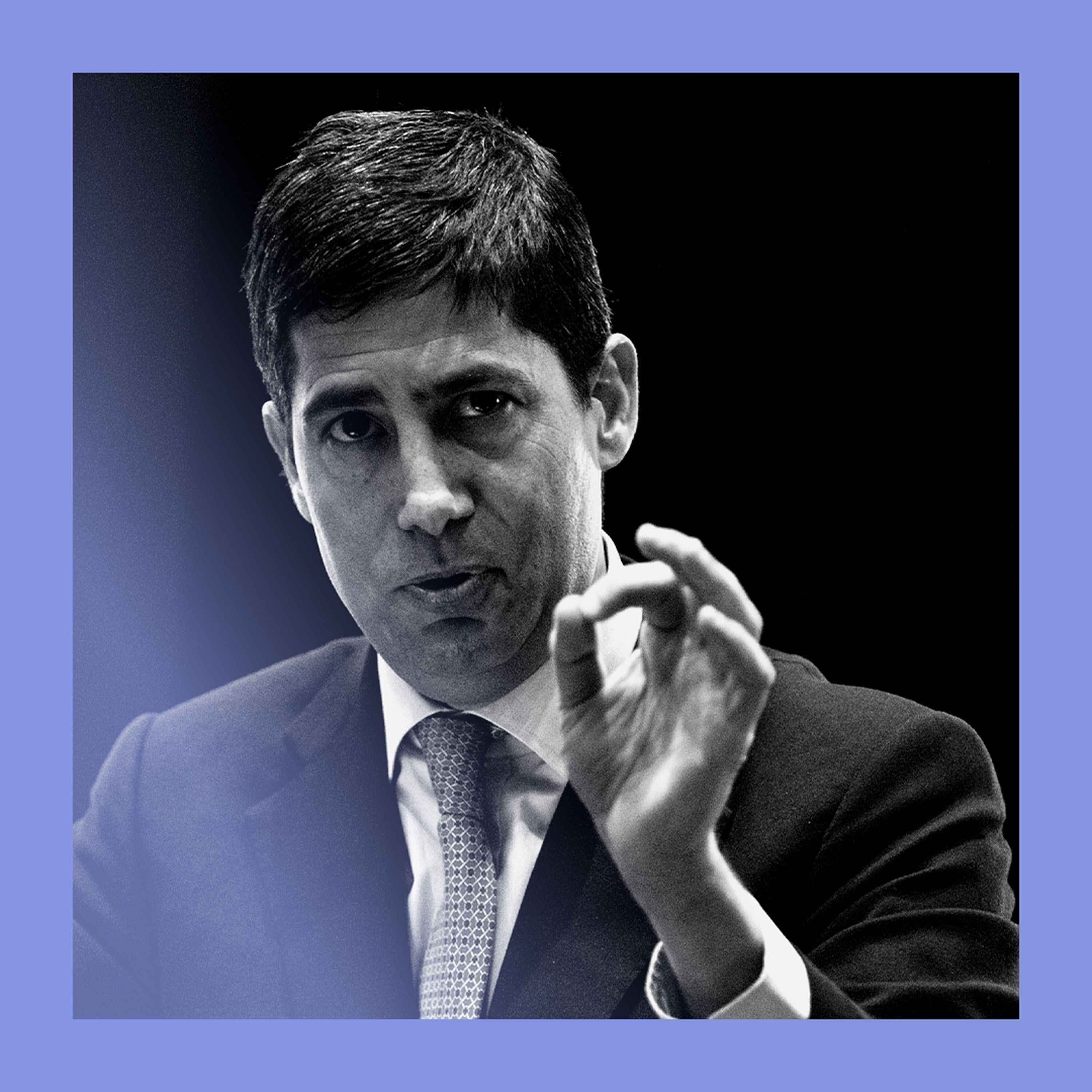
Kevin Warsh's confirmation hearings suggest a potential regime change at the Fed. He has indicated possible shifts in how inflation is measured (using trimmed mean), the size of the balance sheet, and a reduction in market communication like forward guidance.
Despite a change in leadership, the Federal Reserve's interest rate policy is unlikely to shift materially in the near term. The new chair, Kevin Warsh, must build consensus among 16 other committee members whose views are established. The Fed's reaction function is driven by collective data analysis, not the sole will of the chair.

The Treasury's aggressive yield suppression has boxed in the Fed Chair for the Jackson Hole meeting. Any hawkish rhetoric on the long end of the bond market would directly contradict the administration's recent actions, making a market-moving speech highly unlikely.
Warsh believes the Fed relies too heavily on forward guidance, particularly the 'dot plot,' which he feels boxes in members. He will likely downgrade or eliminate it and encourage Fed presidents to speak less publicly, aiming for more agile and less predetermined monetary policy decisions.
