Get your free personalized podcast brief
We scan new podcasts and send you the top 5 insights daily.
The primary driver for podcasts adopting video isn't just for social media virality. It's an economic arbitrage play against traditional television. They deliver a comparable product experience with drastically lower production costs, making them a more sustainable and profitable media model.

Related Insights
Streaming services and cable news need cheaper content. Podcasts, which are essentially TV shows with a lower-cost production model, provide the perfect solution. Repurposing popular podcasts for television offers a huge arbitrage opportunity, allowing networks to fill airtime at a fraction of the traditional cost.

By licensing Spotify's video podcasts and requiring their removal from YouTube, Netflix is strategically repositioning the medium. This move frames podcasts not as free content but as premium television programming that warrants a subscription, elevating the perceived value of the entire podcasting industry.

While often viewed as separate media, YouTube is the #1 platform for both podcast consumption and TV viewership in the US. This dual dominance forces competitors like Netflix and Spotify to react by acquiring podcast video rights, revealing the battle for attention is converging on a single platform.
The Super Data Science podcast, historically audio-focused, overhauled its operations for video. This strategic shift led to a 1000% increase in daily YouTube watch time and grew subscribers from 25k to 140k within a year, demonstrating high demand for video content even in technical fields.

The move to video favors formats cheap to produce visually, like interviews. This elevates celebrity talk shows while making expensive, long-form narrative series less viable, fundamentally changing what a 'typical' podcast looks and feels like for creators and audiences.

Despite mobile's dominance, platforms like YouTube and Instagram are focusing on TV apps. The larger screen commands higher-value "prestige" advertising, making the living room the most valuable real estate in media, even for podcasts, because that's where the most lucrative ad dollars are spent.
Ari Emanuel views the podcasting ecosystem as the next wave of syndication. Just as Oprah used her broadcast platform to launch other stars like Dr. Phil, today's top podcasters can build media networks by developing and launching new talent. This transforms a single successful show into a scalable, multi-channel business.
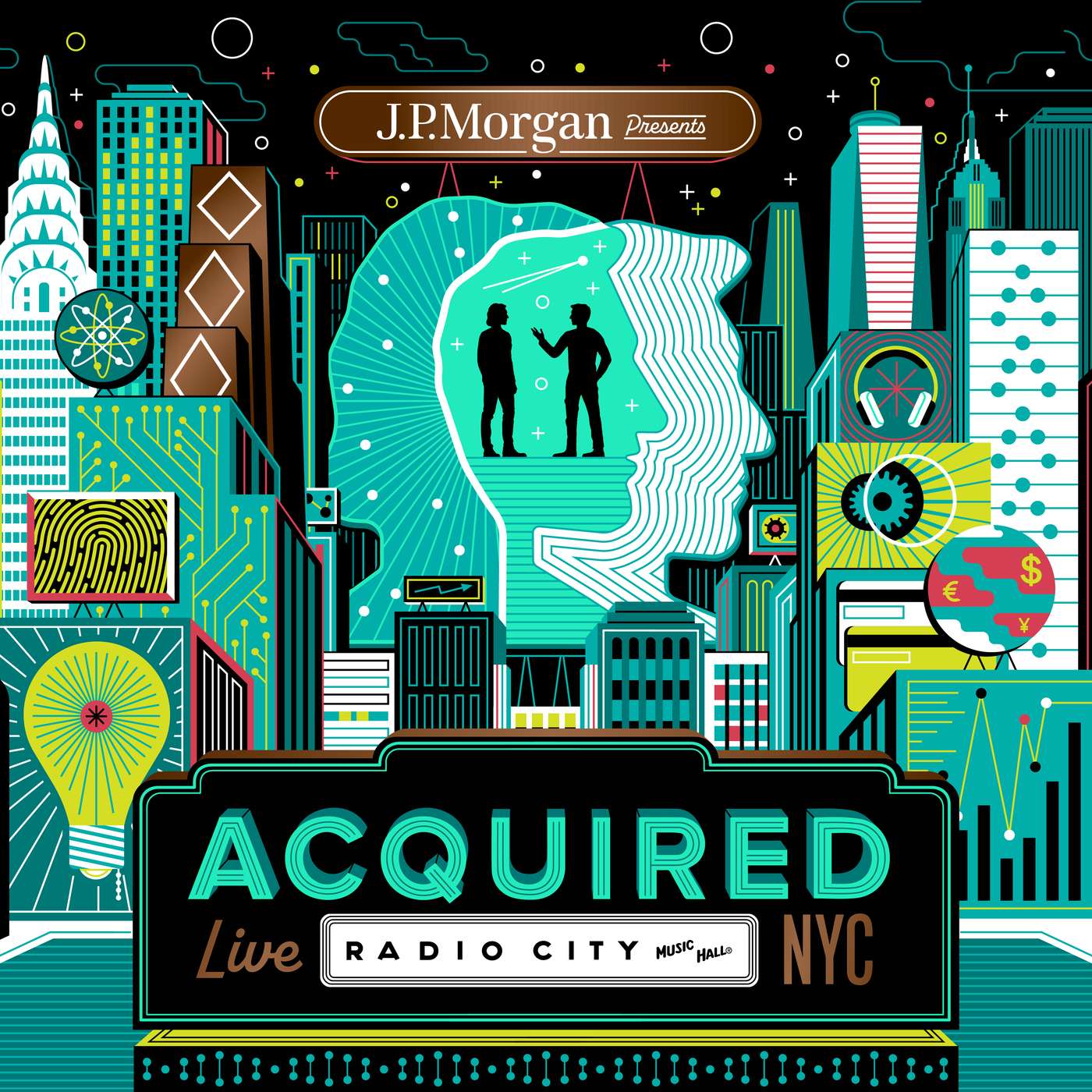
Podcasts like Acquired are leveraging prestigious venues to create premium, 'concert film' style video specials. This elevates the brand beyond a standard audio show, turning live events into standalone media products that match the grandeur of their setting and guests.
The push for intellectual podcasts like Freakonomics to become TV shows is driven less by audience discovery via clips and more by the creator's ambition for a richer, more complex communication medium. The challenge is whether heady, ideas-driven content benefits from the sensory richness of video.

Startups flooding the internet with AI-hosted podcasts are exploiting a business model based on ad arbitrage, not content quality. By reducing production costs to ~$1 per episode, they can profit from just a handful of listeners via programmatic ads. This model mirrors early SEO content farms and will likely collapse once distribution platforms update their algorithms.