Get your free personalized podcast brief
We scan new podcasts and send you the top 5 insights daily.
According to Volition's Larry Cheng, enduring partnerships thrive on a culture that values disagreement and conviction over homogeneity. By making "embrace opposites" a core value, a firm can see differing opinions as a source of strength and "magic," rather than a headwind that could fracture the partnership.

Related Insights
By breaking down decisions to their fundamental truths, Vinod Khosla and Keith Rabois can debate premises rather than opinions. This allows the two strong-willed partners to work together smoothly, quickly identify the core of any disagreement, and align on a logical path forward.
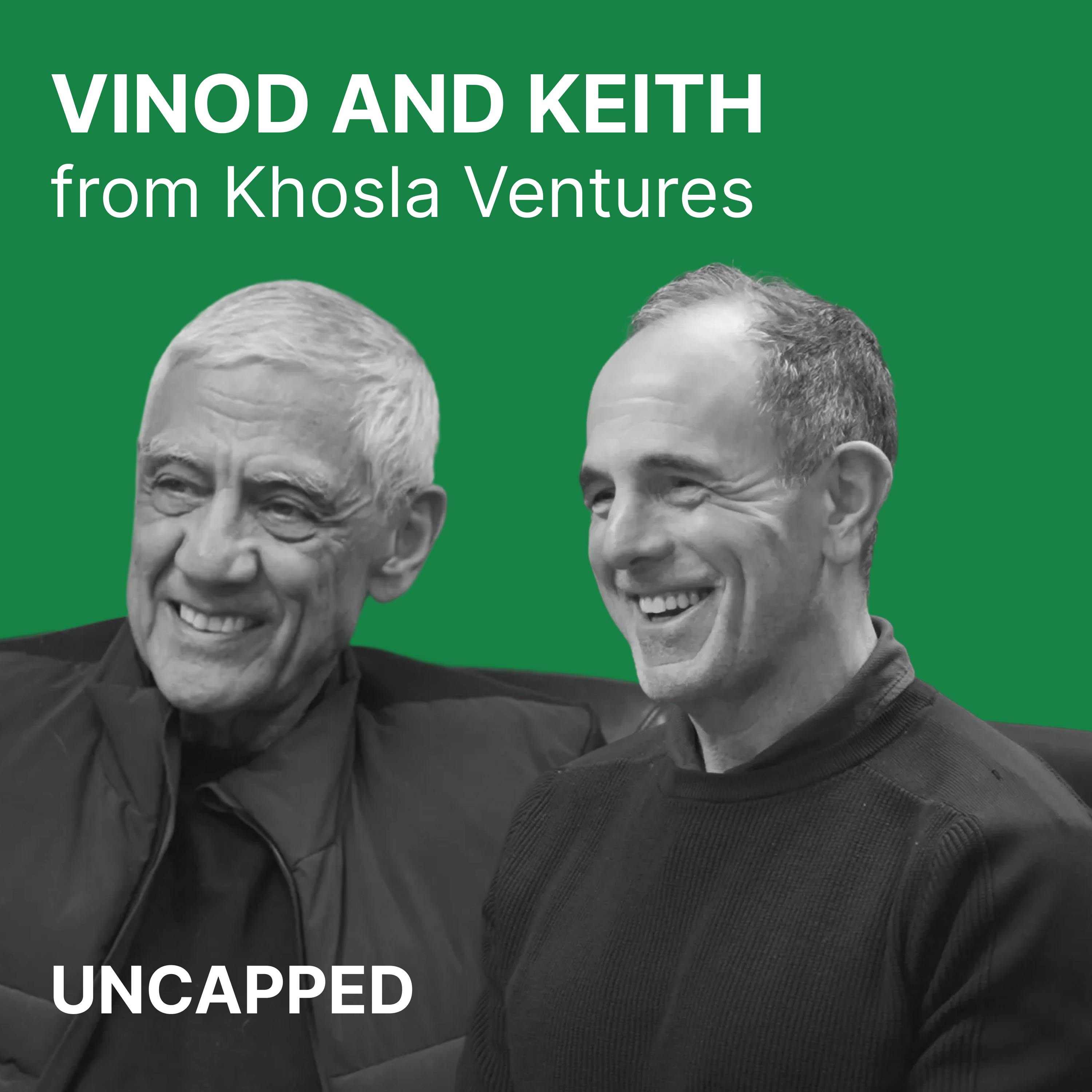
A team that "gets along" isn't one that agrees on everything initially; immediate consensus is a red flag. True alignment comes from respectful, data-driven debate, followed by a unified commitment to the final decision.

To predict the future health of a partnership, intentionally have difficult conversations before any investment is made. If you can't productively disagree or discuss serious problems before you're formally linked, it's highly unlikely you'll be able to do so when the stakes are higher post-investment.

The co-CIO model at Maverick Capital works because the partners view their different investment styles not as a source of conflict, but as a necessary counterbalance. This structure protects the firm from the "excesses" of any single investment philosophy, creating a more robust decision-making process.

True founder support isn't about constant agreement; it's about providing candid, difficult feedback. The best VCs frame a disagreement by outlining options, stating their view, and then fully committing to supporting the founder's final decision, building long-term trust and respect.

Peter Thiel's key to success was building a team of specialists with non-overlapping skills who were unafraid to push back. The culture valued unique perspectives rooted in individual expertise, not what someone thought the leader wanted to hear, fostering genuine debate and better decisions.

Managing VCs is harder than managing corporate execs. VCs are high-IQ, disagreeable idea generators who dislike rules. The burden is on leadership to design an organization that minimizes conflict, as VCs can easily 'wreck each other's businesses' through competing investments, making interpersonal issues far more destructive.

Volition's Larry Cheng argues that the most revealing LP questions are "softer" ones about how partners handle disagreements. These questions uncover the true relational dynamics and cultural health of a firm, which are more predictive of long-term success than financial models alone.
Sequoia's internal data shows consensus is irrelevant to investment success. A deal with strong advocates (voting '9') and strong detractors (voting '1') is preferable to one where everyone is mildly positive (a '6'). The presence of passionate conviction, even amid dissent, is the critical signal for pursuing outlier returns.

A strong partnership thrives on different viewpoints, not a leader and a follower. A partner who simply echoes your ideas prevents growth and leaves you vulnerable to your own blind spots. This constructive friction is essential for making robust decisions.