Get your free personalized podcast brief
We scan new podcasts and send you the top 5 insights daily.
A powerful mental model for durability is the "thermonuclear event test." If 99% of humanity were wiped out and currencies were worthless, would people still want your product? This identifies businesses with fundamental, inflation-proof demand, separating them from those dependent on fragile economic systems.

Related Insights
A powerful filter for any potential acquisition is asking: 'If this were the last business we could ever buy, would we still want to own it?' This simple question forces a long-term, operational mindset and helps avoid deals that rely on future exits or financial engineering.

To build an enduring company, ask this critical question: 'If we disappeared tomorrow, what problem would remain unsolved, and would anyone notice?' The goal is to become so essential in solving an urgent problem that your customers would revolt if your solution was no longer available.

The best hedge against systemic inflation is owning "productive assets" with pricing power. These are businesses or resources, like silver for technology, that are functional requirements for which customers must pay regardless of price. This ensures your wealth grows faster than the rate of money printing.
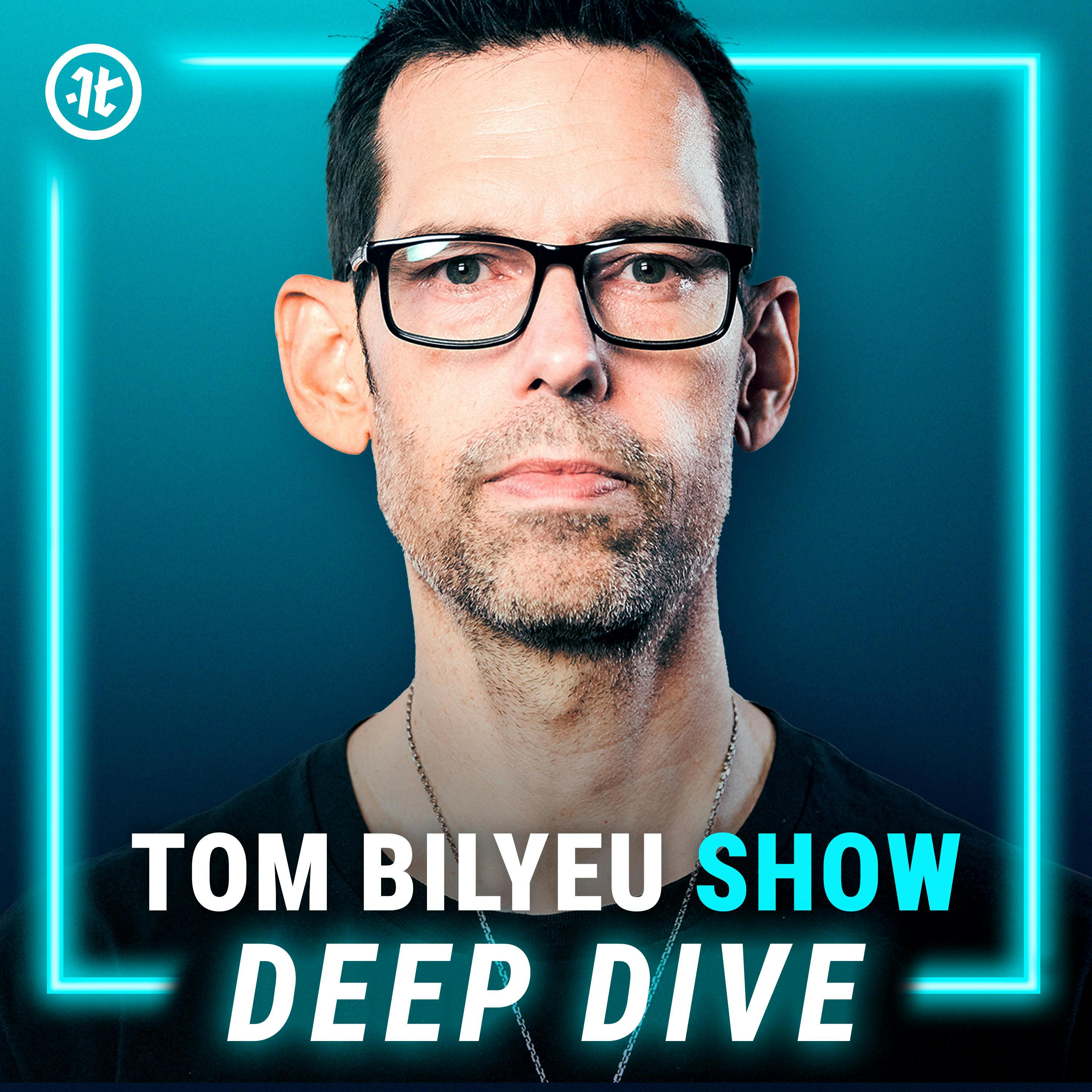
Success for a year or even five is common; success for decades is rare and contains unique lessons. Prioritize durability above all else by studying and speaking with people who have maintained high performance over extremely long periods. This provides a filter for timeless, compoundable wisdom.
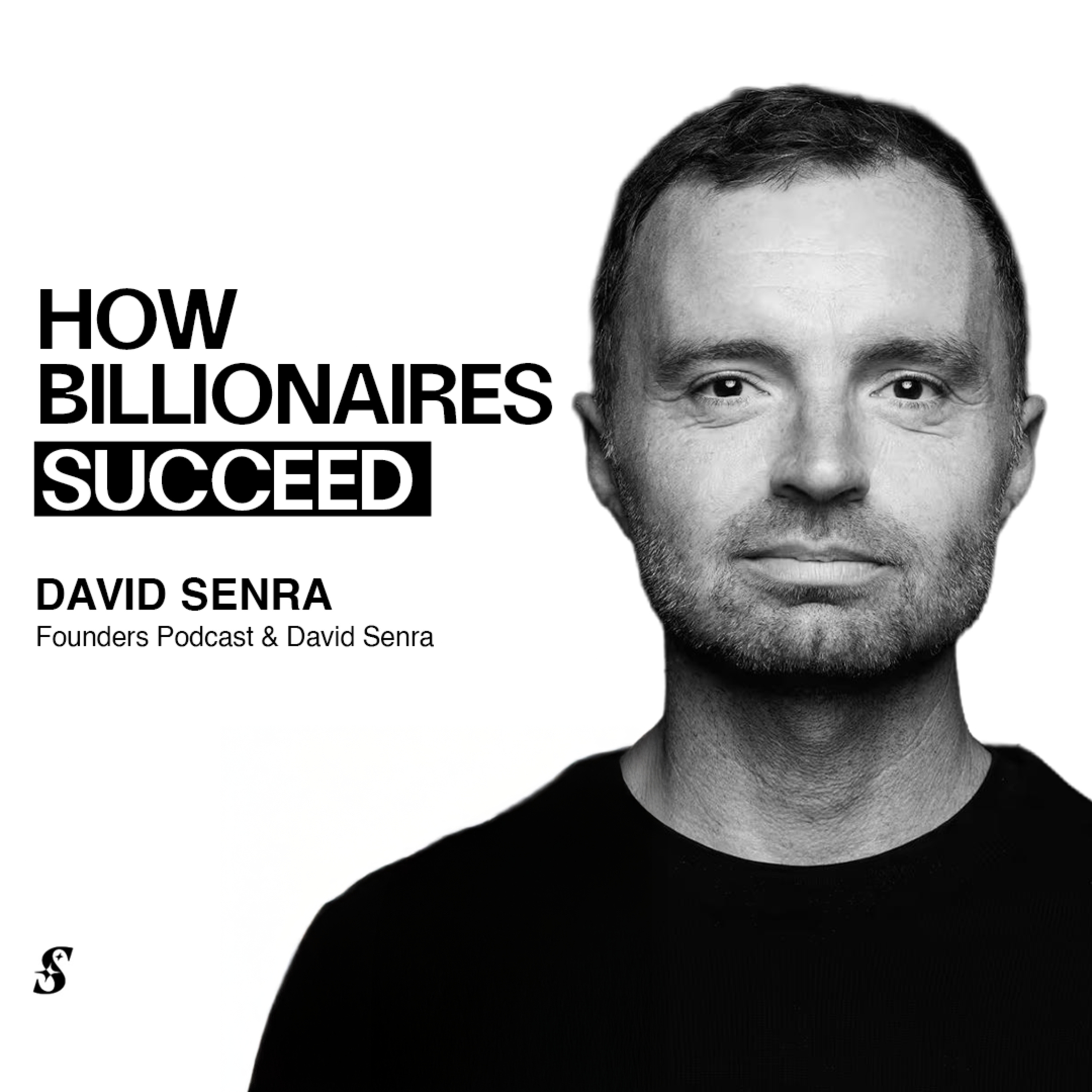
Predicting the future is hard. Instead, focus on foundational truths that will remain constant. Bezos knew customers would always want lower prices and faster delivery. Building a business around these unchanging principles is a more robust strategy than chasing fleeting trends.

During a severe, protracted downturn like the Great Depression, traditional low-multiple 'value' stocks often go bankrupt. In contrast, horrendously expensive but high-quality companies like Coca-Cola survive the economic turmoil. In a true crisis, survivability and quality trump a low valuation.

Brands that have survived for 50-100 years are likely to survive another 50 (the 'Lindy Effect'). Their audiences feel a sense of ownership, making them incredibly loyal and forgiving. This creates a durable, defensible asset that is hard to kill, even with mistakes.
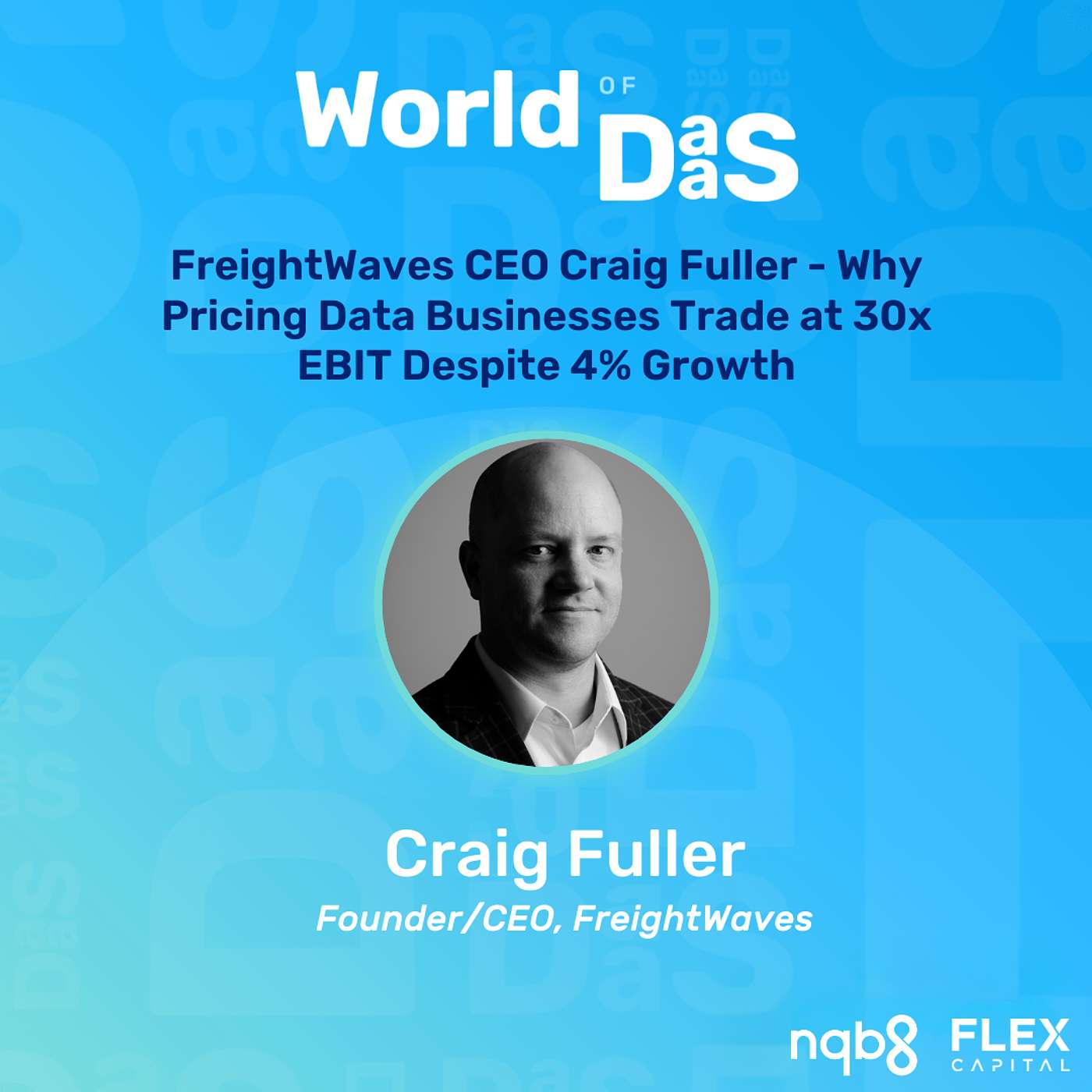
Gardner’s "Cola Test" is a simple heuristic to identify unique market leaders. Ask yourself if a company is the "Coca-Cola" of its industry. Then, try to name its "Pepsi." If you can't find a clear, direct competitor, you've likely found a business with a powerful, defensible moat.

Craver uses a powerful thought experiment to filter investments: "If the stock market closed tomorrow and reopened in three years, what would you want to own?" This mental model forces a focus on durable, high-quality companies with secular tailwinds, filtering out trades based on short-term, speculative data points.

Beyond typical due diligence, a company's true defensibility can be measured with a simple thought experiment: if the business disappeared overnight, how severe would the impact be on its customers? A high level of disruption indicates a strong, defensible business model.
