Get your free personalized podcast brief
We scan new podcasts and send you the top 5 insights daily.
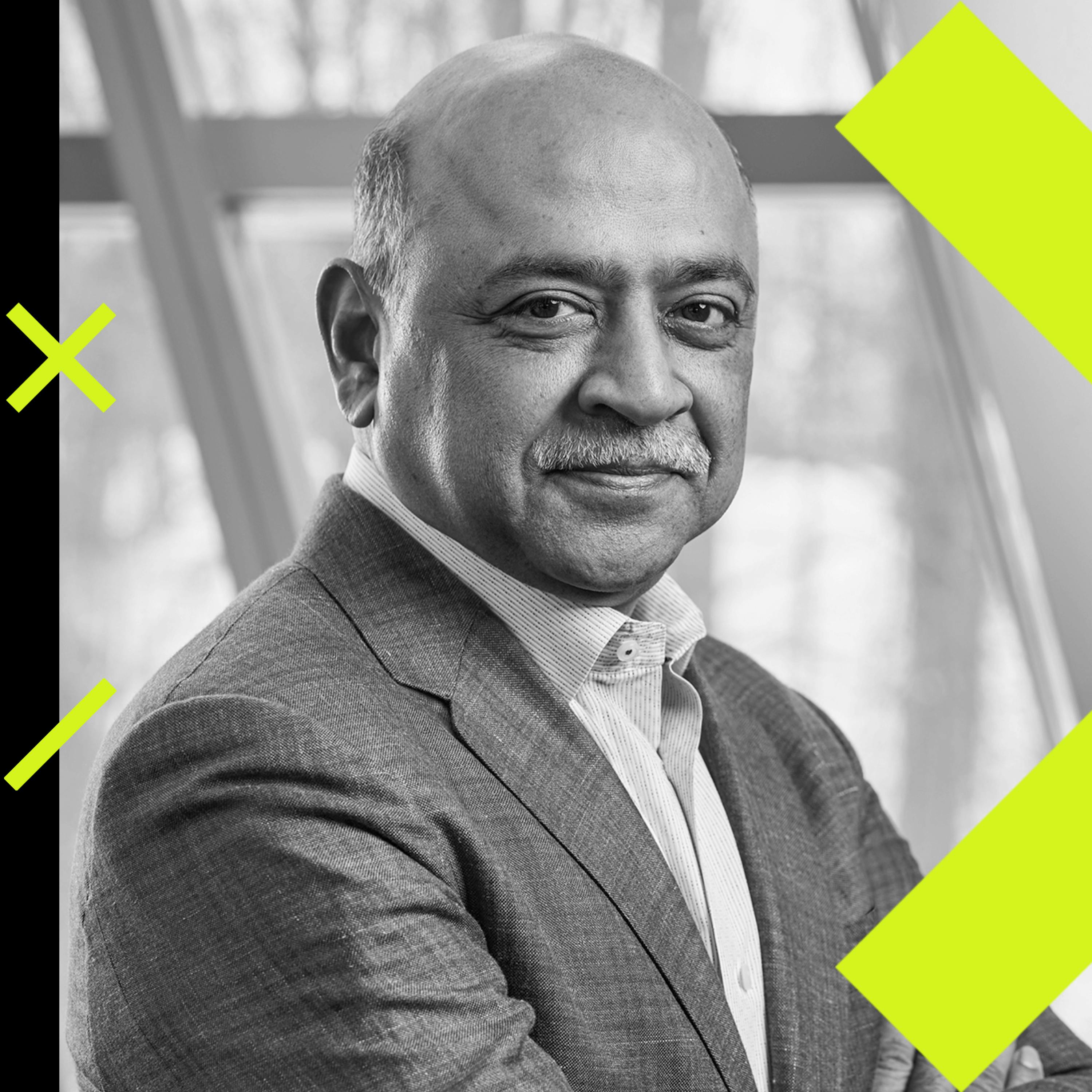
IBM CEO Arvind Krishna's strategy rests on the conviction that most enterprises will remain hybrid, avoiding lock-in to one public cloud. This creates a durable market for IBM's management software. The second pillar is focusing on deploying trusted AI in regulated industries, ceding the consumer space to others.
Related Insights
Instead of selling software to traditional industries, a more defensible approach is to build vertically integrated companies. This involves acquiring or starting a business in a non-sexy industry (e.g., a law firm, hospital) and rebuilding its entire operational stack with AI at its core, something a pure software vendor cannot do.

Customers are hesitant to trust a black-box AI with critical operations. The winning business model is to sell a complete outcome or service, using AI internally for a massive efficiency advantage while keeping humans in the loop for quality and trust.

For established software companies with sluggish growth, the path forward is clear: find a way to become relevant in the age of AI. While they may not become the next Harvey, attaching to AI spend can boost growth from 15% to 25%, the difference between a viable public company and a sale to a private equity firm.
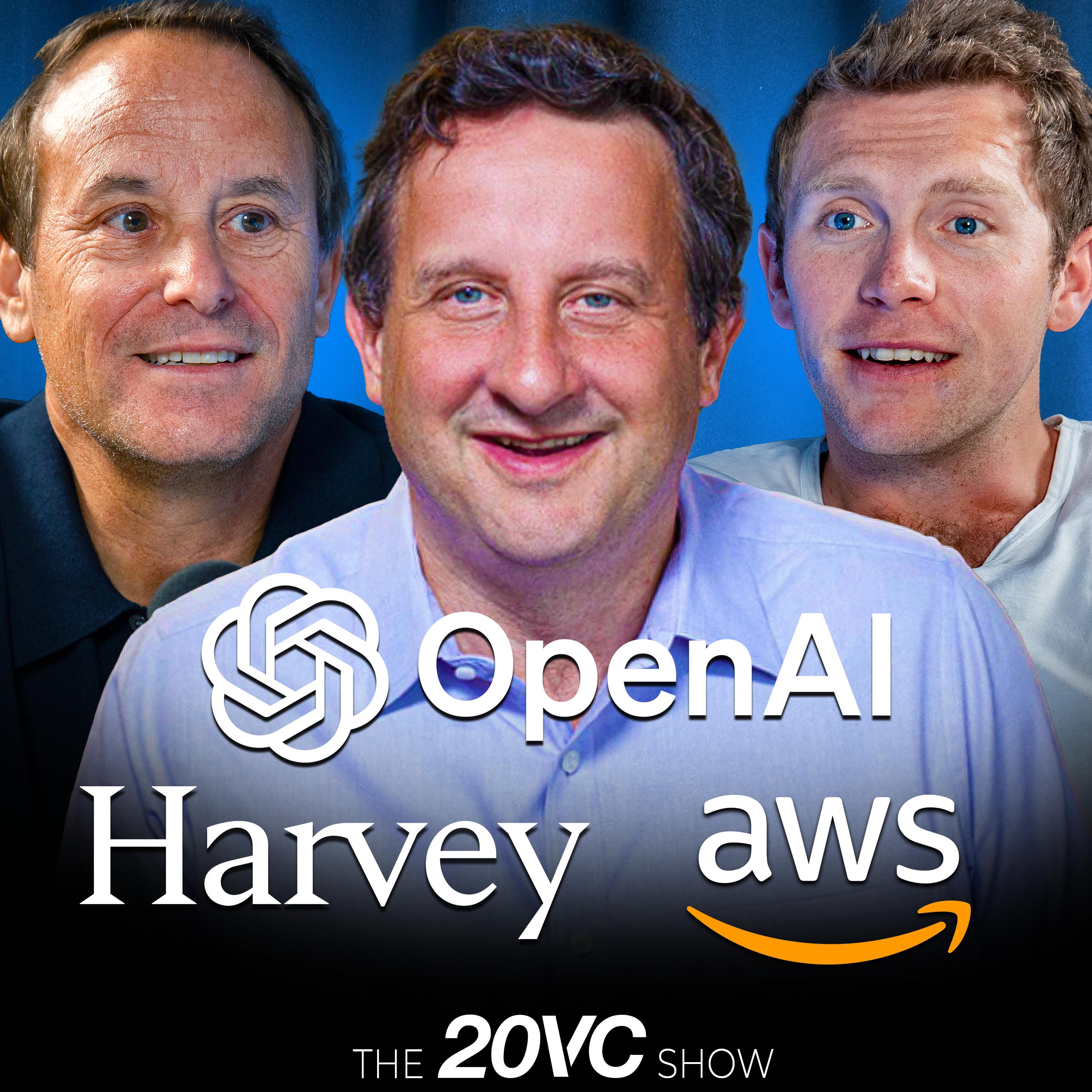
When asked if AI commoditizes software, Bravo argues that durable moats aren't just code, which can be replicated. They are the deep understanding of customer processes and the ability to service them. This involves re-engineering organizations, not just deploying a product.

Treat AI initiatives as two separate strategic pillars. Create one roadmap focused on internal efficiency gains and cost reduction (productivity). Maintain a separate roadmap for developing new, revenue-generating customer experiences (growth). This prevents conflating internal tools with external products.

Enterprises struggle to get value from AI due to a lack of iterative, data-science expertise. The winning model for AI companies isn't just selling APIs, but embedding "forward deployment" teams of engineers and scientists to co-create solutions, closing the gap between prototype and production value.

The initial enterprise AI wave of scattered, small-scale proofs-of-concept is over. Companies are now consolidating efforts around a few high-conviction use cases and deploying them at massive scale across tens of thousands of employees, moving from exploration to production.
Smaller software companies can't compete with giants like Salesforce or Adobe on an all-in-one basis. They must strategically embrace interoperability and multi-cloud models as a key differentiator. This appeals to customers seeking flexibility and avoiding lock-in to a single vendor's ecosystem.

IBM CEO Arvind Krishna argues Watson's core AI tech was sound, but its failure stemmed from a closed, all-in-one product approach. The market, especially developers, preferred modular building blocks to create their own applications, a lesson that informed the WatsonX rebranding with LLMs.
Arvind Krishna keeps a Red Hat on his shelf to symbolize the conviction behind the $34B acquisition. He believes that if a leader's conviction on a company-altering bet is wrong, they "should be fired." It represents the intense personal accountability needed to push through high-stakes strategic change.