Get your free personalized podcast brief
We scan new podcasts and send you the top 5 insights daily.
In technology, brand is an outcome of a superior product, not a prerequisite for success. Citing the demises of well-branded companies like Sun Microsystems and Yahoo, Nikesh Arora argues that product excellence creates a brand that survives, while a strong brand with poor execution ultimately fails.

Related Insights
Pre-purchase marketing gets the initial sale, but the customer's direct experience with the product creates a more powerful and lasting brand impression. A poor product experience can instantly negate millions spent on brand building and eliminate any chance of repeat business.

When building a brand, differentiate between long-term and short-term elements. The core purpose and emotional connection should be enduring. In contrast, functional and experiential benefits must be constantly refreshed to remain relevant as markets and consumer tastes evolve.
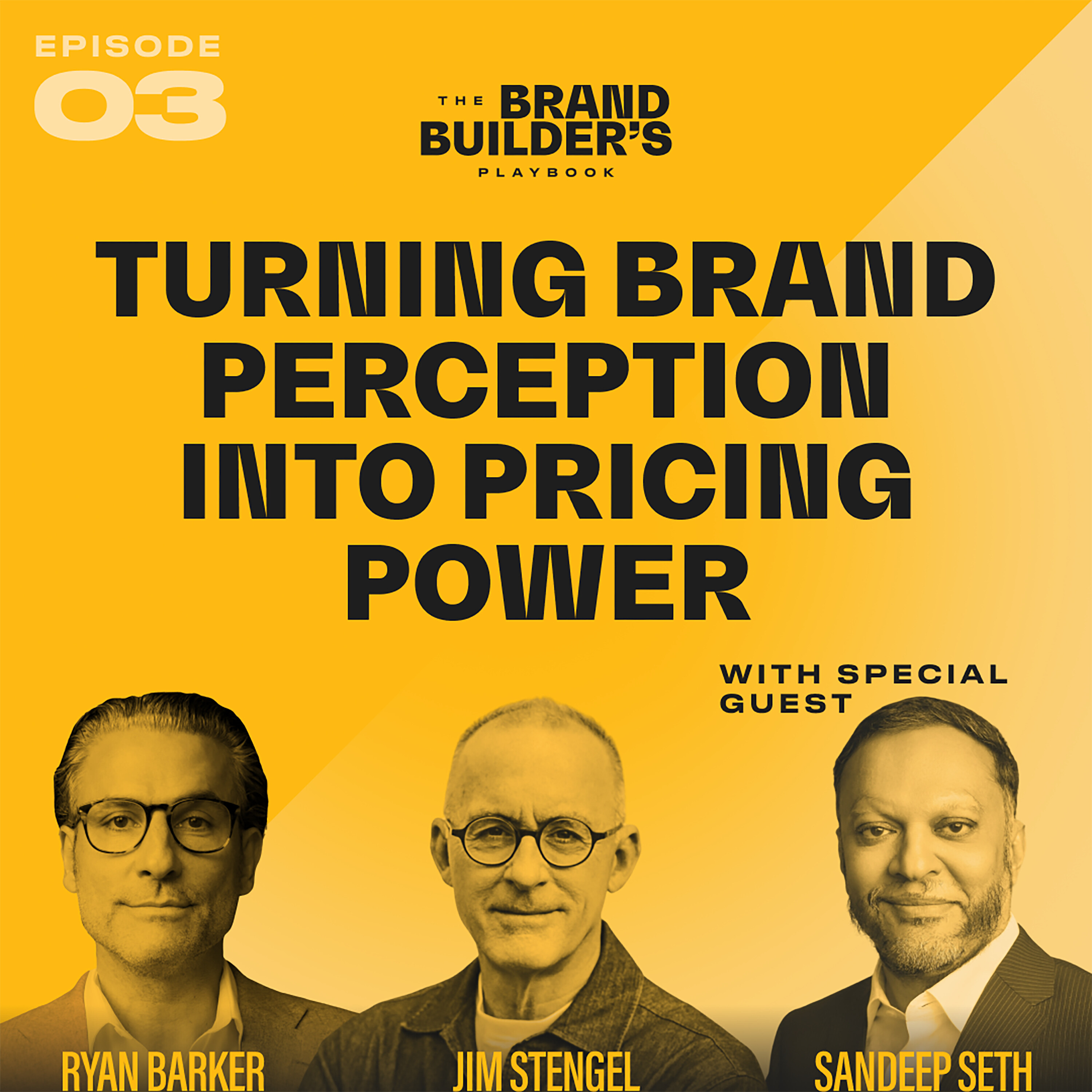
T3's founder knew a beautiful product would attract female consumers, comparing it to buying a laptop simply because it was pink. However, she stresses that aesthetic appeal is not enough for long-term success. If the beautifully designed product didn't deliver superior performance and results, the brand wouldn't have survived for 20 years.
In a competitive landscape, the winning long-term play isn't a marketing land-grab. The founder of Simple AI argues for focusing relentlessly on building the best-in-class product, as sophisticated buyers will compare options and choose the superior technology.

Marketing and pre-purchase branding get the first sale, but the actual product experience does most of the branding work after that point. A premium brand promise must be met with a premium product, otherwise the negative experience will destroy the brand's value and prevent future business.
As AI makes technical execution and content generation easier for everyone, these cease to be competitive advantages. The only truly defensible asset left is a company's brand—the promise it makes and the trust it builds with its audience over time.

Technical founders often mistakenly believe the best product wins. In reality, marketing and sales acumen are more critical for success. Many multi-million dollar companies have succeeded with products considered clunky or complex, purely through superior distribution and sales execution.

A brand isn't just an identity; it becomes a competitive moat only when it directly influences purchase decisions. The true test is when a customer buys your product *because* of the brand, even if it's more expensive, has fewer features, or is otherwise inferior on paper.

In a crowded market, brand is defined by the product experience, not marketing campaigns. Every interaction must evoke the intended brand feeling (e.g., "lovable"). This transforms brand into a core product responsibility and creates a powerful, defensible moat that activates word-of-mouth and differentiates you from competitors.

Effective marketing is not a cure for a flawed product; it's an accelerant. It amplifies a product's weaknesses to a wider audience much more quickly, hastening its demise. A strong product must be the foundation before scaling marketing efforts.
