Get your free personalized podcast brief
We scan new podcasts and send you the top 5 insights daily.
Wall Street's negative reaction to Microsoft's earnings was driven by the revelation that 45% of its future revenue backlog ($281 billion) is tied to OpenAI. This massive dependency on a single, cash-burning partner exposed a significant and previously underappreciated risk in Microsoft's strategy.
Related Insights
OpenAI's series of hundred-billion-dollar deals has propped up the market caps of its numerous infrastructure partners. This creates a systemic risk, as these partners are making huge capital expenditures based on OpenAI's revenue projections. A failure by OpenAI to pay could trigger a cascade of financial problems across the tech sector.

OpenAI's strategy involves getting partners like Oracle and Microsoft to bear the immense balance sheet risk of building data centers and securing chips. OpenAI provides the demand catalyst but avoids the fixed asset downside, positioning itself to capture the majority of the upside while its partners become commodity compute providers.

By structuring massive, multi-billion dollar deals, OpenAI is deliberately entangling partners like NVIDIA and Oracle in its ecosystem. Their revenue and stock prices become directly tied to OpenAI's continued spending, creating a powerful coalition with a vested interest in ensuring OpenAI's survival and growth, effectively making it too interconnected to fail.

Despite beating earnings, Microsoft's stock plunged after revealing that 45% of its future Azure contracts are tied to OpenAI. For a mature company like Microsoft, this heavy dependence on a single, unprofitable startup customer was a major red flag for investors, signaling significant concentration risk.

OpenAI, a startup losing billions, has reportedly committed $1.4 trillion for future compute from partners like Oracle and CoreWeave. These partners then use these speculative promises to justify raising massive debt, creating a fragile, interdependent financial structure built upon a single startup's highly uncertain success.

Microsoft's earnings report revealed a $3.1 billion quarterly loss from its 27% OpenAI stake, implying OpenAI's total losses could approach $40-50 billion annually. This massive cash burn underscores the extreme cost of frontier AI development and the immense pressure to generate revenue ahead of a potential IPO.
OpenAI's massive, long-term contracts with key infrastructure players mean its success is deeply intertwined with the market. If OpenAI falters, the ripple effect could crash stocks like NVIDIA, Oracle, and Microsoft, potentially bursting the AI bubble.

Microsoft solidified its 27% stake, secured exclusive IP rights until 2032, and locked in a $250B Azure commitment. This captures near-term value while de-risking Microsoft from having to solely fund OpenAI's massive future build-out, positioning Azure as a platform for all AI models, not just OpenAI's.
Microsoft's early OpenAI investment was a calculated, risk-adjusted decision. They saw that generalizable AI platforms were a 'must happen' future and asked, 'Can we remain a top cloud provider without it?' The clear 'no' made the investment a defensive necessity, not just an offensive gamble.
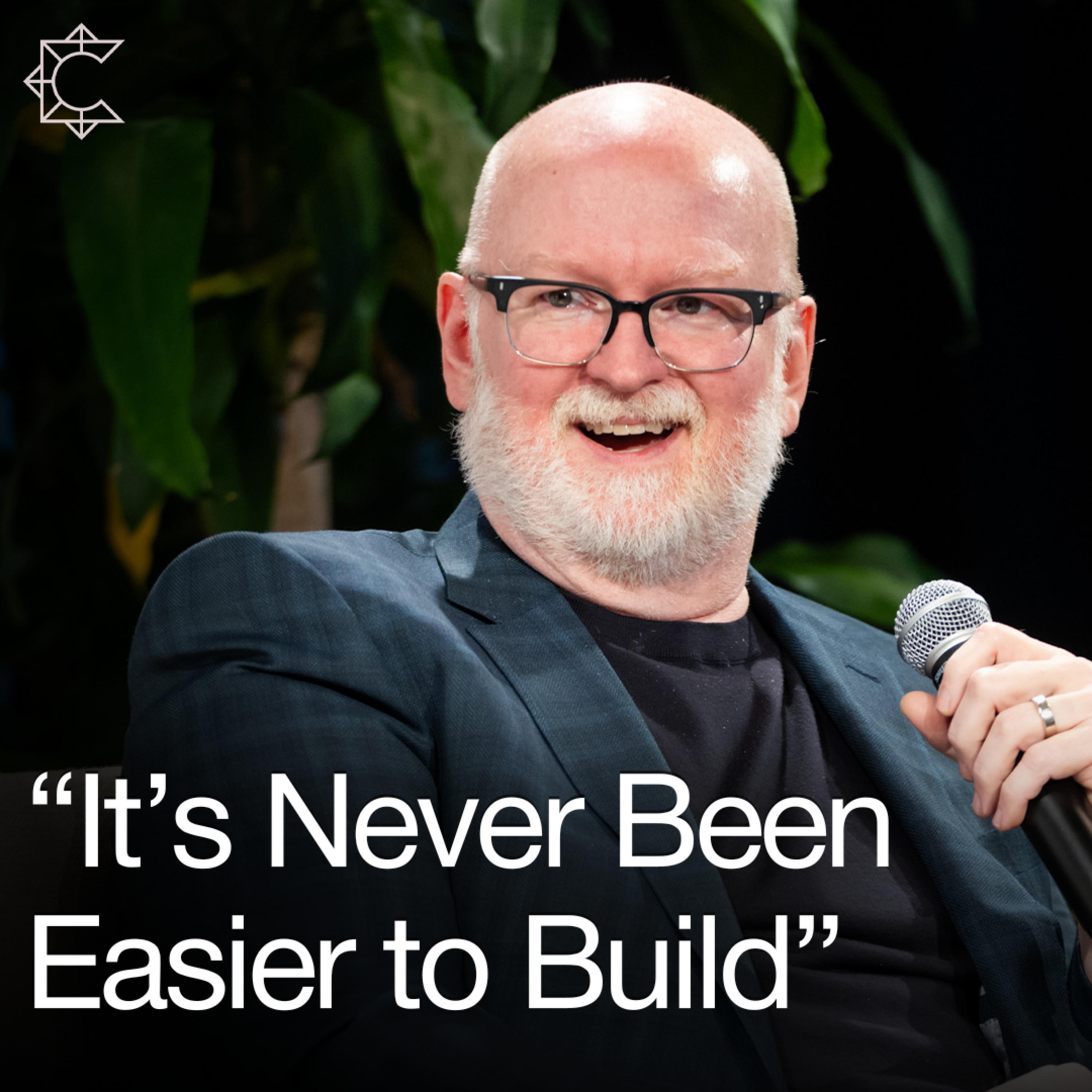
Satya Nadella reveals that the first $1 billion investment in OpenAI was considered a high-risk bet with a high probability of failure. Bill Gates himself told Nadella he expected him to "burn this billion dollars," underscoring the extreme risk tolerance required for the deal.