Get your free personalized podcast brief
We scan new podcasts and send you the top 5 insights daily.
Josh Kushner models Thrive's role on that of the Medici family: to enable artists (founders) to create their masterpieces. This means understanding their place is to support, not to be the hero. He draws a direct parallel to film studio A24, which focuses on enabling directors and actors.
![Josh Kushner - Concentration and Conviction - [Invest Like the Best, EP.459] thumbnail](https://megaphone.imgix.net/podcasts/77704aec-0c73-11f1-9aef-47fb47e3545b/image/060e44d6c87ea078f34c6cfa0d7470a9.jpg?ixlib=rails-4.3.1&max-w=3000&max-h=3000&fit=crop&auto=format,compress)
Related Insights
Horowitz frames his 30-year partnership with Andreessen using a music analogy. Andreessen is the generational 'star talent' (Michael Jackson), while Horowitz is the producer (Quincy Jones) who creates the environment, team, and structure to maximize that talent. This highlights a powerful model for complementary co-founder relationships.

Echoing the Hippocratic Oath, a venture investor's primary job with a high-performing company is to stay out of the way and not disrupt its momentum. While providing resources for talent, capital, and strategy is valuable, it's secondary to the core principle of not interfering with a team that is already executing successfully.

Drawing an analogy to legendary music producer Rick Rubin, an investor's role is to help a founder find the most authentic and compelling version of their own story. The goal is not to invent a narrative, but to draw out the founder's core truth and channel it through their company.

Thrive Capital's strategy of making a few large bets is not just for financial returns. It's an ideological choice to align with "life's work founders" for whom their startup is a portfolio of one. This ensures every win feels great and every loss hurts, creating true skin in the game.
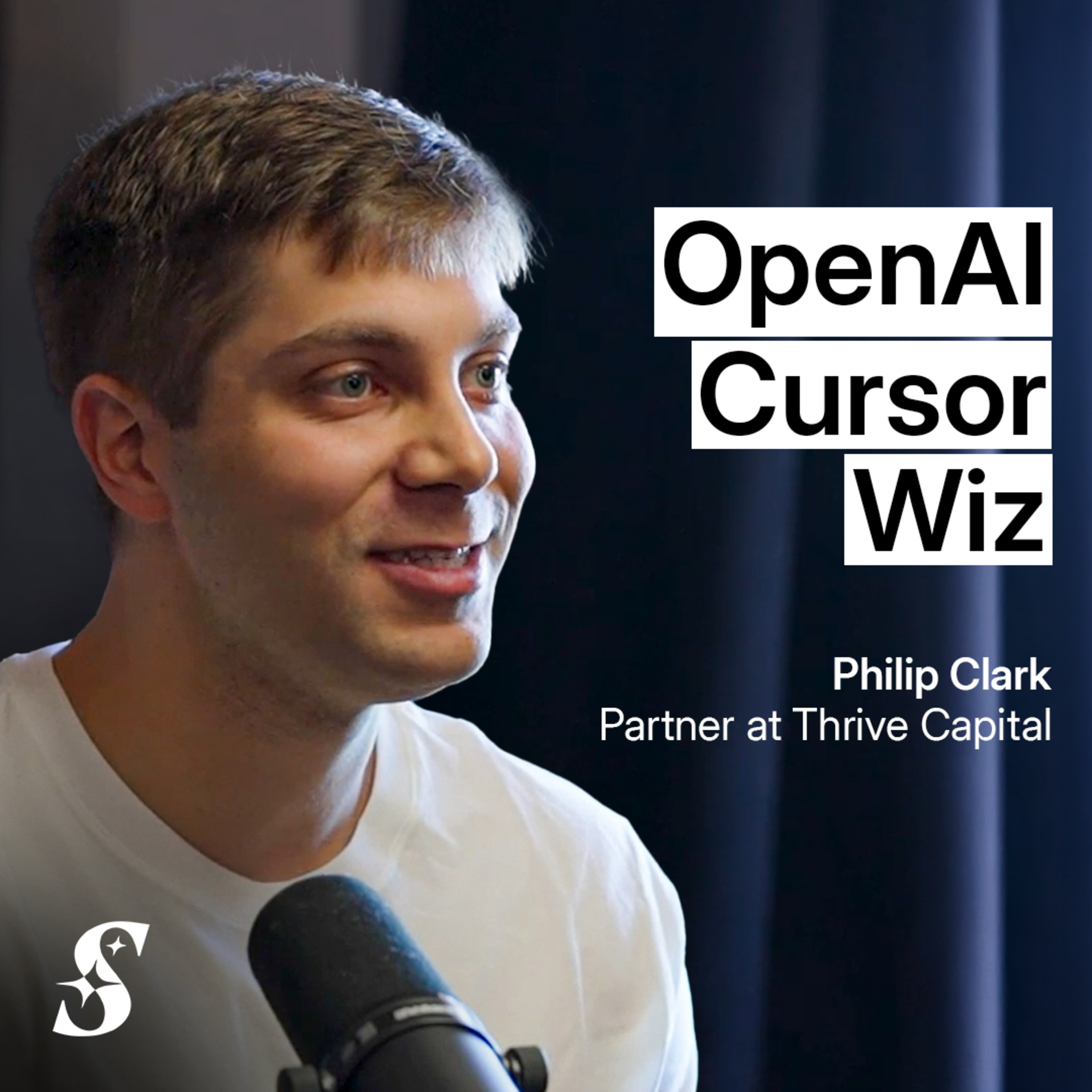
Instead of coaching unconventional founders to be more palatable for mainstream Series A investors, early backers should encourage them to lean into their unique traits. The investor's role is to help them find the right future partners who appreciate their peculiar worldview, not to change it.
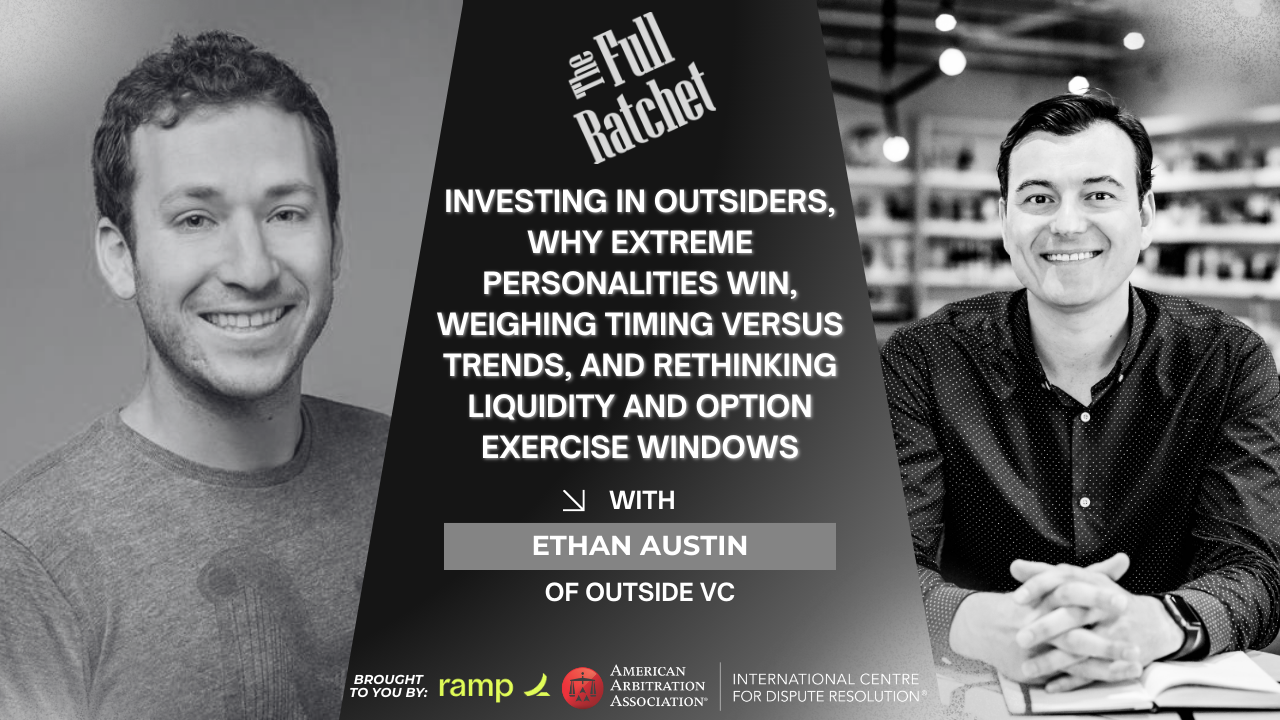
Unlike venture creation firms that generate ideas internally, Curie.bio operates on a 'Freedom for Founders' principle. It believes the best ideas come from external innovators and its role is to augment them with capital-efficient support, fractional expertise, and operational help to translate those ideas into companies.

The firm’s core belief is being a fund *for* founders, trusting them to run their companies without heavy operational input. This hands-off approach gives partners the bandwidth and "permission" to go deep on their own projects, leading to spinouts like Anduril and Varda.
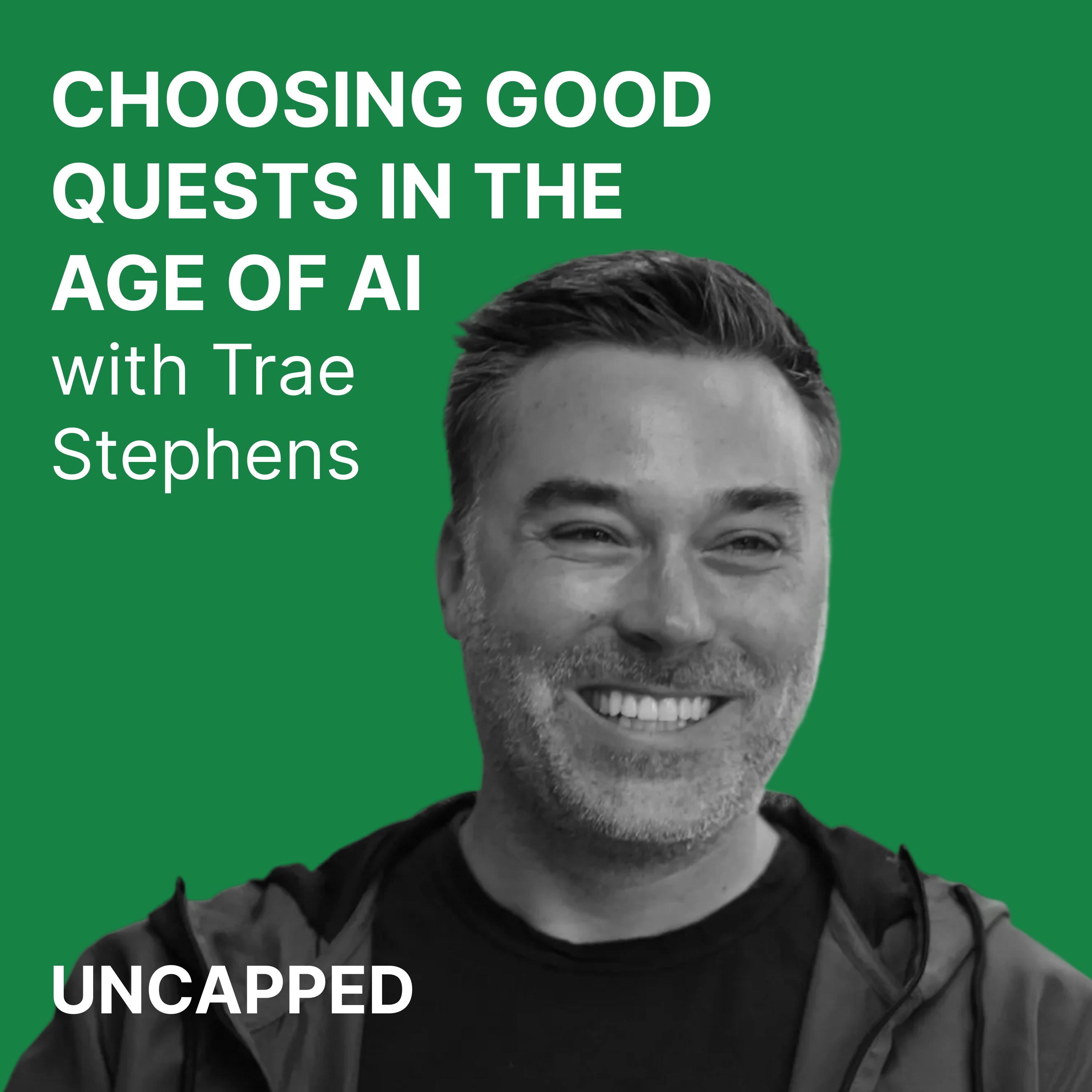
Thrive's reputation for writing massive checks wasn't a deliberate market-cornering strategy. It was a bottom-up, service-oriented reaction to the needs of its portfolio companies. When Stripe needed $6B to avoid an IPO and OpenAI needed capital, Thrive's job was simply to provide it.
Unlike operating companies that seek consistency, VC firms hunt for outliers. This requires a 'stewardship' model that empowers outlier talent with autonomy. A traditional, top-down CEO model that enforces uniformity would stifle the very contrarian thinking necessary for venture success. The job is to enable, not manage.

A VC has truly succeeded when a founder, in retrospect, feels they were like a co-founder. This signifies a deep, proximate, and unconditional partnership that went beyond transactions or advice, providing existential support through the company's entire journey.