Get your free personalized podcast brief
We scan new podcasts and send you the top 5 insights daily.
When renovating, homeowners should actively seek forward-thinking contractors who can introduce new options and materials. Resisting the easy path of builders who just want to repeat what they've done before is key to creating a home that supports long-term wellness.

Related Insights
The term "aging in place" carries negative connotations of frailty and isolation. "Lifespan housing" reframes the home as a proactive tool to support health and wellness across all life stages, encouraging a forward-looking view rather than a reactive, end-of-life perspective.
Open floor plans and barrier-free design are not just for aesthetics or current accessibility. They are critical for future-proofing a home to accommodate in-home robotics, which will be limited by stairs, narrow halls, and other physical obstacles.
Aiming for complete feature parity between an old and new system is a trap. It forces the business to halt innovation for an extended period, and by the time the 'perfect' replacement is ready, the market has moved on, rendering the new system already outdated.

It's nearly impossible to be objective about a living space you inhabit daily. To make effective long-term plans, homeowners need an external perspective—like a financial advisor for finances—to identify limitations, challenge assumptions, and see new possibilities for their environment.
Inspired by architect Christopher Alexander, a designer's role shifts from building the final "house" to creating the "pattern language." This means designing a system of reusable patterns and principles that empowers users to construct their own solutions tailored to their unique needs.

Pella Windows achieved a breakthrough by focusing on the needs of window installers—a non-buyer stakeholder. By making installation easier and faster, they reduced warranty claims and created a superior product, demonstrating the value of considering the entire value chain.

Historically, Pella addressed installation issues by trying to "fix the installer" with more training. Their successful innovation stemmed from a crucial mindset shift: the problem wasn't the user's process, but a product that was fundamentally designed incorrectly for their real-world needs.
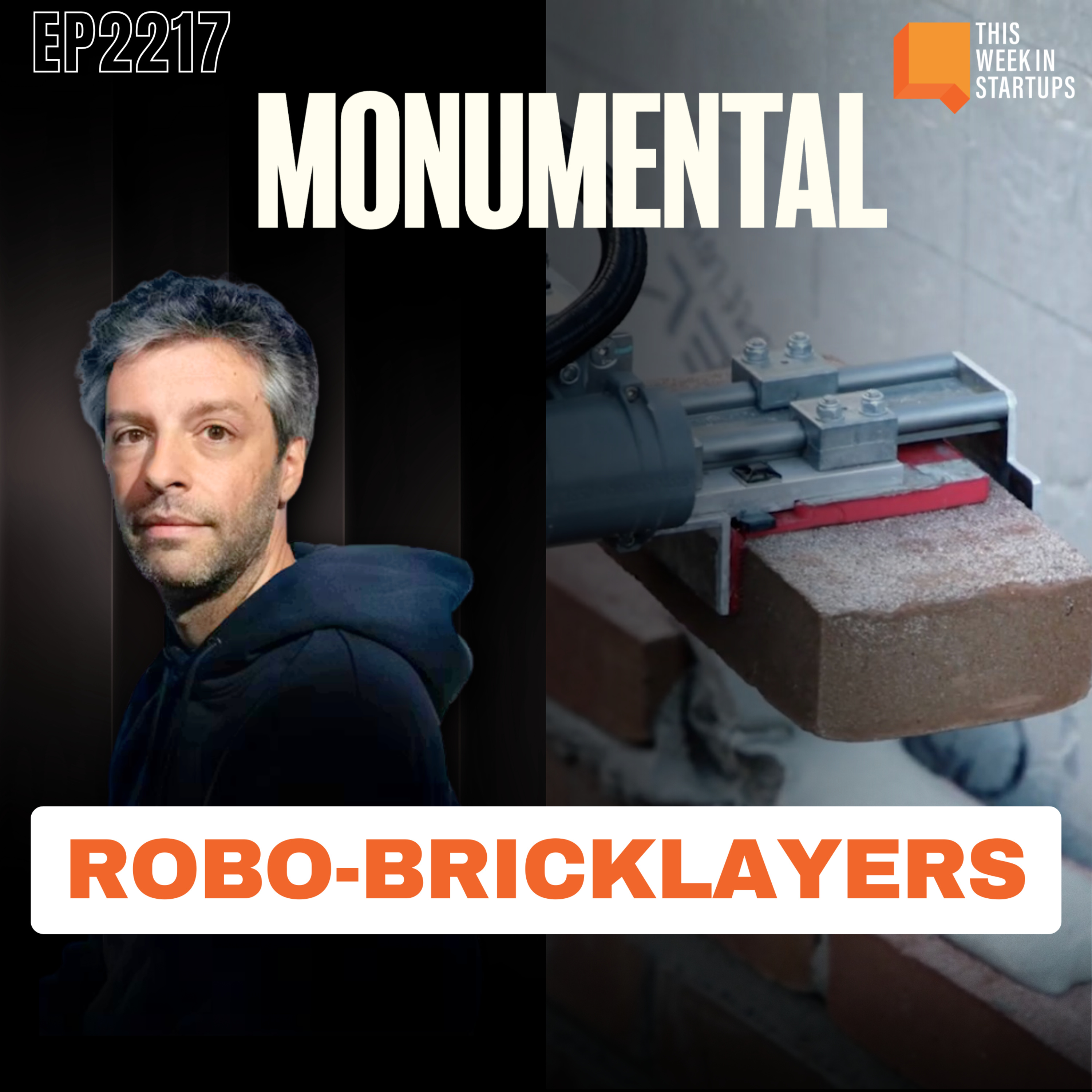
Automation in construction can do more than just lower costs for basic structures. Monumental's robots can create complex, artistic brick patterns and designs at the same speed and cost as a standard wall, potentially democratizing access to beautiful and diverse housing aesthetics.
Clients often try to cherry-pick individual services from a vendor's integrated offering, believing they can save money or know better. This is like trying to bake a cake but leaving out the eggs; it disrupts the proven process and leads to poor results. True success comes from trusting the vendor’s holistic strategy.

Hexclad rejects the Apple model of products that "wear out in three years." Instead, they model themselves after 1980s Sony, where brand trust was paramount. By offering lifetime guarantees, they aim to have customers buy their entire ecosystem based on trust, not a forced upgrade cycle.
