Get your free personalized podcast brief
We scan new podcasts and send you the top 5 insights daily.
Mastercard's CMO sees AI's primary value at the bookends of the marketing process: for insight mining at the start and for personalization at the end. She cautions against using it to replace core human skills like writing, which is essential for sharpening thoughts.
Related Insights
The common fear of AI replacing creative jobs is misguided. The real power of AI for marketers isn't just generating copy or images, but serving as a thinking partner. It can accelerate gaining context and relevance, helping marketers think better, be smarter, and make more informed decisions.

Marketers should use AI-driven insights at the beginning of the creative process to inform campaign strategy, rather than solely at the end for performance analysis. This approach combines human creativity with data to create more resonant campaigns and avoid generic AI-generated content.
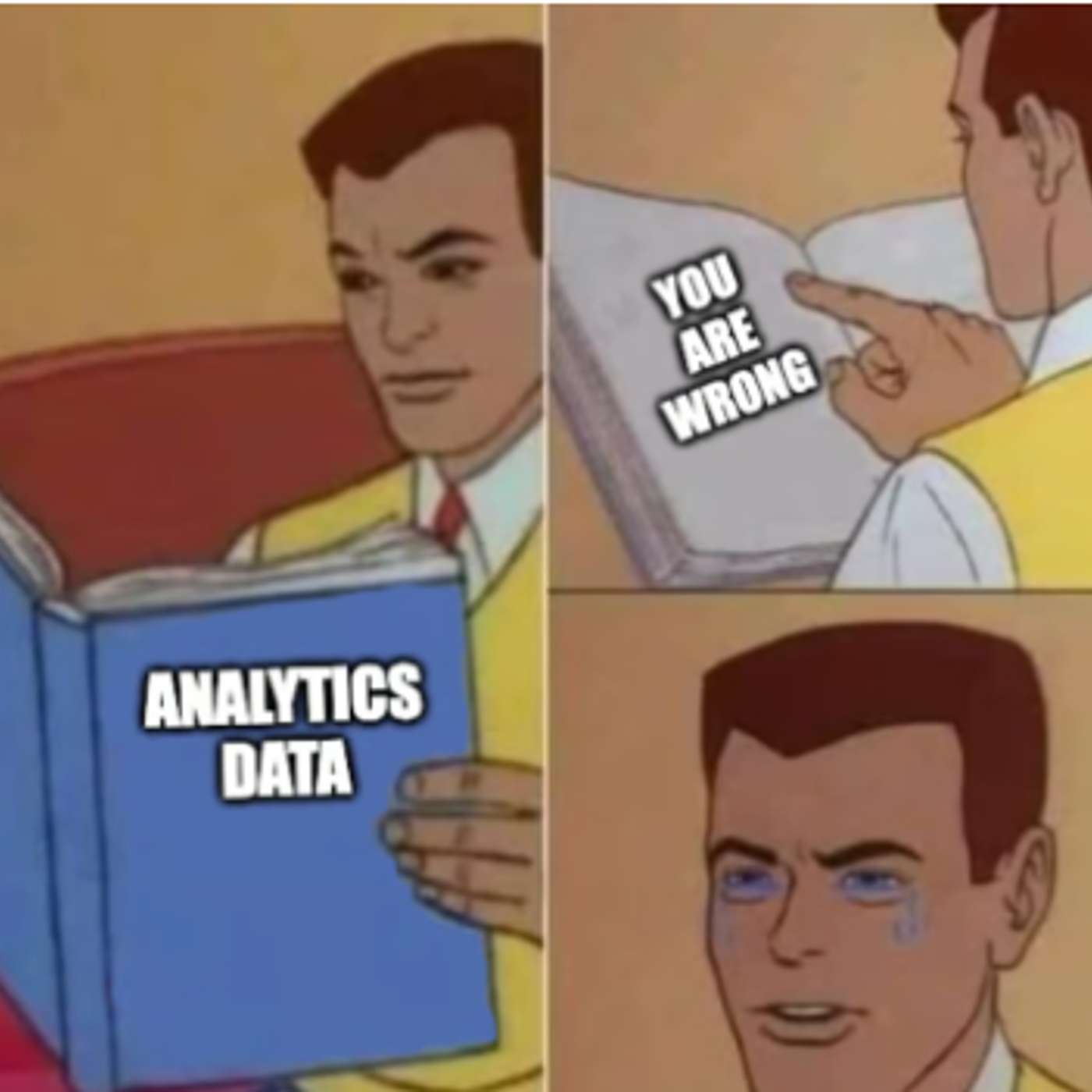
The primary role of AI in marketing isn't to replace creative work but to automate the complex process of understanding customer behavior. AI systems continuously analyze data to answer critical questions about conversion, value, and budget waste, freeing up humans for strategic tasks.
AI excels at operational tasks and scaling processes. However, front-facing content should remain human-led. The coming flood of mediocre AI-generated content will make authentic, human-first material stand out and command a premium, as people can easily detect inauthentic content.

While AI can generate massive content volume, its true value isn't just replacing human effort for cost savings. Instead, it should augment expert teams, allowing them to test more, learn faster, and make braver creative decisions. The goal is to enhance creative capacity and impact, not just reduce headcount.
The best teams use AI to automate repetitive work, not to fix bad strategy or magically write great copy. This frees them up for high-value strategic and creative tasks, making marketing feel more human.

While AI offers efficiency gains, its true marketing potential is as a collaborative partner. This "designed intelligence" approach uses AI for scale and data processing, freeing humans for creativity, connection, and building empathetic customer experiences, thus amplifying human imagination rather than just automating tasks.
AI should handle repetitive, automated tasks like setup and orchestration. This frees up marketers to focus on high-value work like strategy and creativity, making marketing feel more human, not less.
AI tools are best used as collaborators for brainstorming or refining ideas. Relying on AI for final output without a "human in the loop" results in obviously robotic content that hurts the brand. A marketer's taste and judgment remain the most critical components.

As AI handles data analysis and rapid concepting, the most valuable human skills become judgment, context, and taste. AI can generate options and perform tactical work, but humans must provide the strategic direction and emotional connection that resonates with audiences.
