Get your free personalized podcast brief
We scan new podcasts and send you the top 5 insights daily.
In an MIT study of 54 essay writers, Eric So says brain connectivity declined as external help increased, and 83% of ChatGPT users could not accurately quote their own essays. Participants who struggled unaided before adding AI retained stronger connectivity, supporting his 'cognitive gym' idea of deliberate intellectual resistance.

Related Insights
Controlled testing shows that using generative AI to explain concepts enhances students' subsequent unaided writing performance one week later. Conversely, students who rely on AI to automate drafting lose all short-term performance gains once the tool is removed, as bypassing cognitive effort halts learning.

The harm from AI isn't its use, but how it's used. Passively accepting AI outputs without critical engagement weakens cognitive function. Conversely, using AI as a sparring partner by questioning, critiquing, and refining its output strengthens your own thinking, creativity, and memory encoding.

To avoid mental decline from AI over-reliance, treat it like a workout tool. Intentionally struggle with the hard parts of a task first—like writing a first draft or doing initial research—before using AI to refine it. This builds cognitive muscle instead of letting it atrophy from disuse.

AI can create a 'GPS for your brain' effect, where you don't truly learn because the tool does the cognitive work. To combat this, adopt a behavioral constraint: do your own thinking first. This ensures you use AI to augment, not replace, your own cognition.

Like abundant dietary calories causing metabolic harm when self-control fails, unfettered access to automated intelligence can lead to cognitive atrophy if individuals passively offload thinking. Using AI simply to evade difficult cognitive tasks reduces individual capabilities. To build true operational competence, individuals must actively challenge AI outputs from first principles and treat models as thinking partners rather than intellectual escape hatches.

Relying on AI for thinking and creating will diminish our cognitive abilities, much like GPS weakened spatial awareness. To combat this, intentionally engage in challenging mental exercises daily, such as writing first drafts yourself before using AI tools.
Relying on generative AI to produce assignments bypasses the effortful cognitive processes—like reflection and structuring arguments—that are essential for forming long-term memories. As a result, students who use tools like ChatGPT have very poor recall of the essays they submitted, defeating the purpose of the learning exercise.
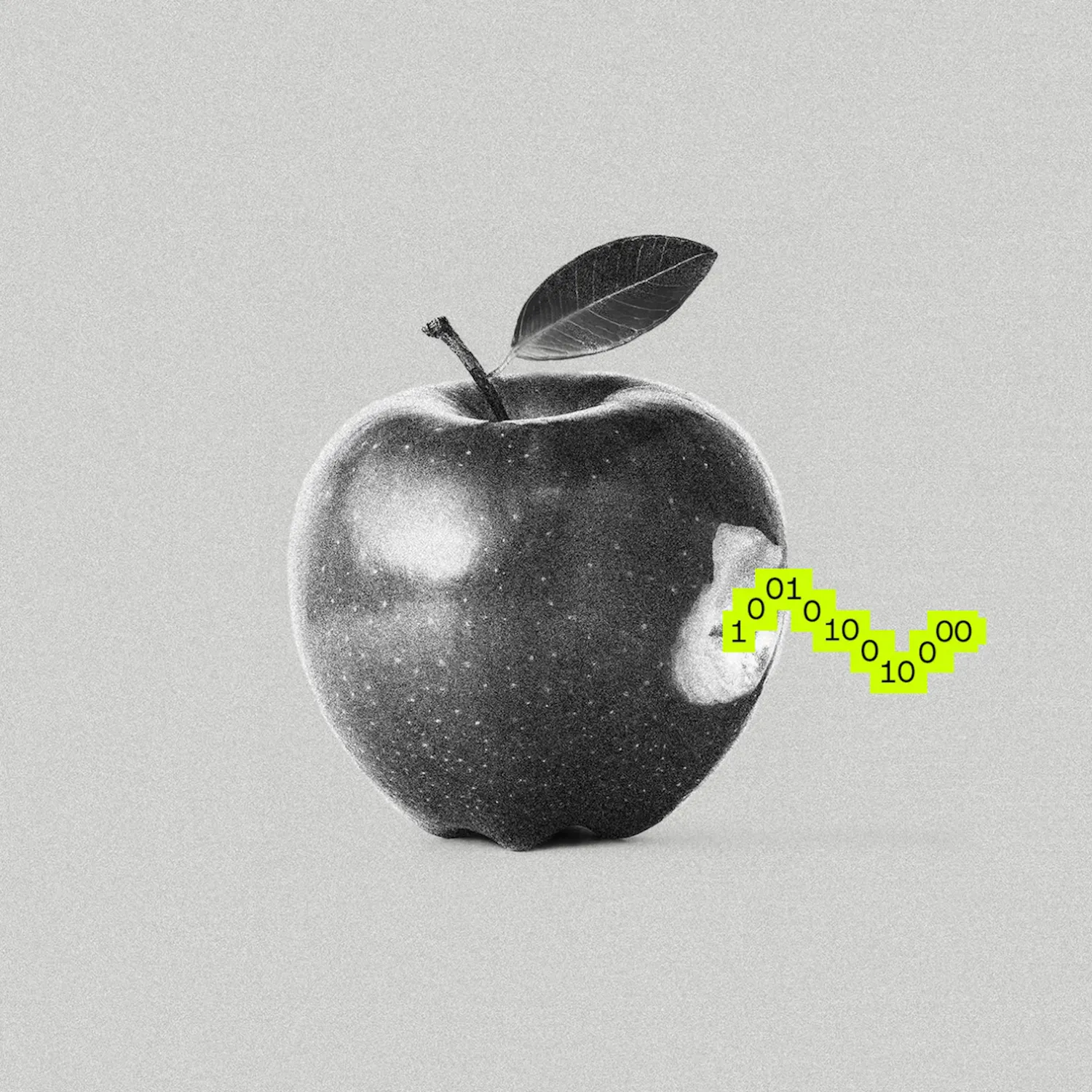
The struggle to learn, condense, and articulate an idea is more valuable for comprehension than the final output. Relying on AI shortcuts this cognitive "sweat equity," which studies show leads to poor recall, a loss of individual voice, and only a superficial understanding of the subject.

An MIT study using brain monitoring found that participants who used ChatGPT to write essays showed significant memory deficits, with 83% unable to recall quotes from the essays they had just written. This suggests that over-reliance on LLMs can cause mental atrophy and a lack of ownership over one's own work.

Relying on AI for writing tasks has a measurable neurological cost. EEG scans show brain connectivity is nearly halved compared to writing manually. This "cognitive debt" means you get faster output but fail to build the long-term neural pathways for true understanding and memory.
