Get your free personalized podcast brief
We scan new podcasts and send you the top 5 insights daily.
Dan Sundheim uses a group chat to constantly share market thoughts with his portfolio founders. This practice fosters a persistent relationship, making founders feel connected even without direct calls. It also builds a valuable peer community for sharing insights and provides a form of 'group therapy' among leaders navigating similar challenges.
![Dan Sundheim - The Art of Public and Private Market Investing - [Invest Like the Best, EP.460] thumbnail](https://megaphone.imgix.net/podcasts/6935741a-1133-11f1-8658-83eef776ecd3/image/6ba553323d1caefe2f648a5990d7bb69.jpg?ixlib=rails-4.3.1&max-w=3000&max-h=3000&fit=crop&auto=format,compress)
Related Insights
To combat remote work isolation, Atlassian designates one team member per week as the "Chief Vibes Officer" (CVO). This person's job is to inject fun and connection through activities like posting prompts in Slack. This simple ritual builds social bridges, leading to higher trust and better problem-solving.
Believing traditional weekly 1-on-1s are inefficient and repetitive, V0's leader eliminated them. He favors discussing shared topics in group settings (like a Slack huddle) and reserves direct 1-on-1 time for specific situations like onboarding, rather than a fixed weekly cadence.

The most valuable insights from a mastermind rarely come from structured sessions like hot seats. Instead, they emerge from informal interactions: side conversations during breaks at live events, direct messages, and one-on-one follow-ups. Proactively create these connections instead of just collecting takeaways.

The ideal founder-investor dynamic is built on a shared, unique vision—like being "in on a secret together." When an investor deeply believes in a startup's specific approach, it fosters the trust needed for radical honesty about challenges, which in turn unlocks their network and resources for help.
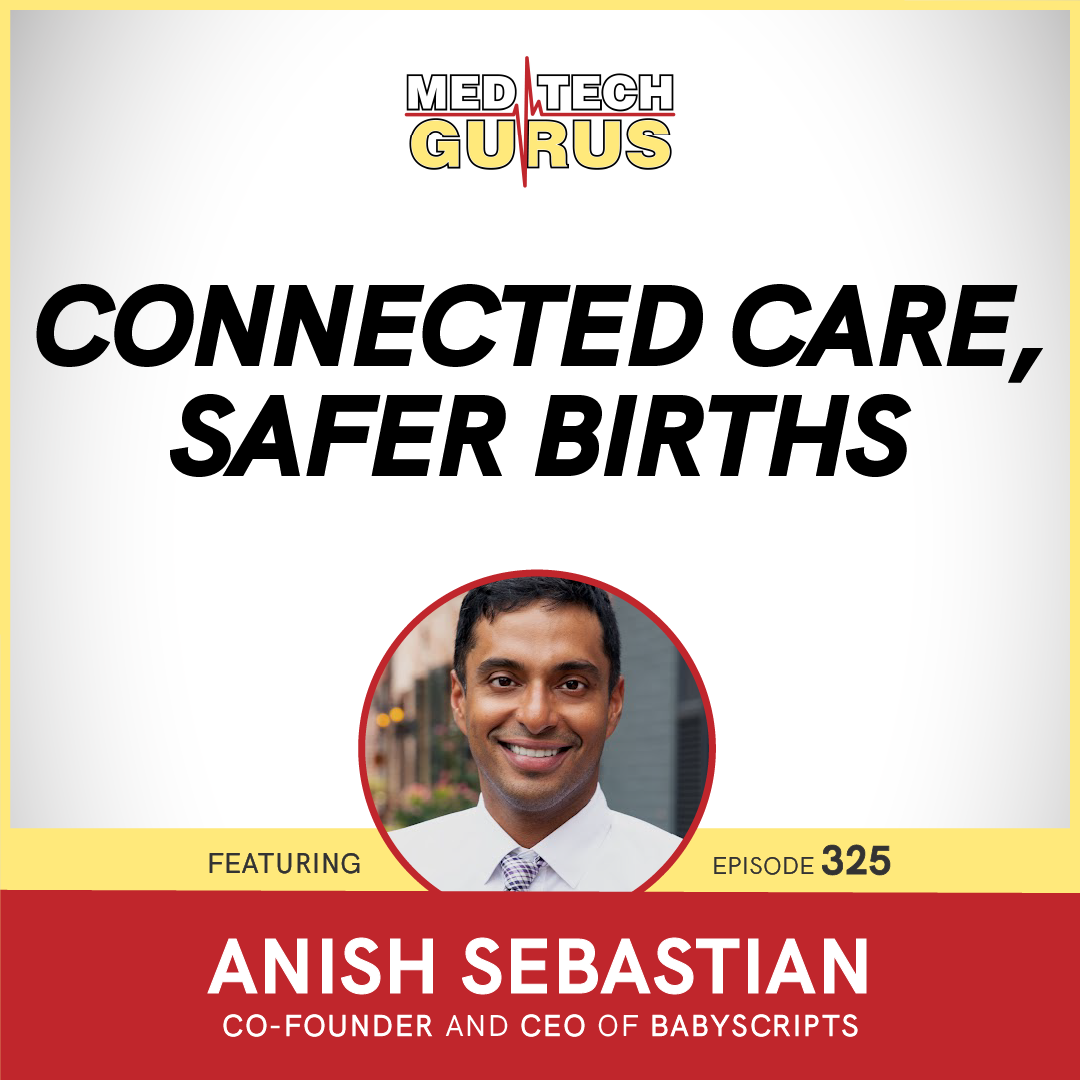
Simply joining a mastermind isn't enough. The real value comes when founders shift from passive observation to active, vulnerable participation. By openly sharing plans, admitting struggles, and building peer relationships, entrepreneurs can unlock the true potential of a high-level group.
Instead of scheduling rigid, three-hour co-founder check-ins that often get canceled, adopt a 'counter-puncher' mindset. Keep important topics top-of-mind and seize spontaneous opportunities—like another meeting getting canceled—to have those crucial conversations. This fluid approach is more effective in a chaotic startup environment.

Contrary to the belief that success is measured by rapid email responses, the most important people for a founder to be responsive to are their own team. Prioritizing internal communication channels like Slack over an external email inbox ensures the team has the support it needs to execute effectively.

Global teams miss the spontaneous chats of co-located offices. Leaders can fix this by formally dedicating 5-7 minutes at the start of meetings for non-work check-ins. This "structured unstructured time" materially improves team cohesion, performance, and long-term collaboration, making the perceived inefficiency highly valuable.
The host uses a "30/30" rule for her marriage: 30 minutes of play and 30 minutes of intentional conversation. Co-founders can adapt this to build rapport and tackle strategic issues. This structured check-in prevents important, non-urgent conversations from being postponed, ensuring long-term alignment.

To break down silos, leaders should encourage teams to "move as a group." This means using shared, informal communication channels like group texts to brainstorm and tackle challenges collectively in real-time, rather than having individual members work in isolation.
