Get your free personalized podcast brief
We scan new podcasts and send you the top 5 insights daily.
Originality was unfashionable in the Renaissance. To be taken seriously, scholars presented innovative theories as commentaries on ancient authors like Plato or Livy. This format gave their work prestige, allowing radical thought to flourish while disguised as classical interpretation.

Related Insights
Historically, authorities misidentify truly transformative ideas. The 16th-century Inquisition obsessively censored minor Protestant theological disputes while ignoring Machiavelli. Later, censors worried more about astrology in *Paradise Lost* than its revolutionary anti-monarchal rhetoric. Censors are poor predictors of which ideas will actually change the world.

Unlike modern scientists who publish findings, Renaissance innovators like Leonardo da Vinci and Brunelleschi actively hid their discoveries. They used coded writing and burned schematics to maintain their unique prestige. From a modern viewpoint, their desire for individual glory made them 'saboteurs of human progress' by preventing knowledge from compounding.
Thriving civilizations first become masters of imitation, openly absorbing ideas and technologies from other cultures through trade and migration. This diverse pool of borrowed 'ingredients' becomes the foundation for true innovation, which is the novel combination of existing concepts.

The pursuit of pure originality is often a status game that leads to incomprehensible ideas. A more effective approach is to see originality as a new way to show people an old, constant truth. This re-frames innovation as a novel form of derivation, making it more accessible and relatable.
![Wolfgang Hammer - The Power of Story - [Invest Like the Best, EP.447] thumbnail](https://megaphone.imgix.net/podcasts/adaa55e4-bead-11f0-a5d6-a799713dc0a0/image/a76713c3a8fb2abf443f9164703734c5.jpg?ixlib=rails-4.3.1&max-w=3000&max-h=3000&fit=crop&auto=format,compress)
Machiavelli, raised on the ideal that reading Cicero would create good rulers, watched as educated leaders like the Borgias started horrific wars. He concluded the 'education by osmosis' model was flawed and proposed using history as a dataset—a 'casebook of examples'—to systematically analyze what worked, effectively inventing modern political science.
Far from a public treatise, 'The Prince' was a private document written in exile as Machiavelli's job application to the Medici family. He viewed its political insights as proprietary technology—a "secret sauce" to be shared only with his country, not its rivals.
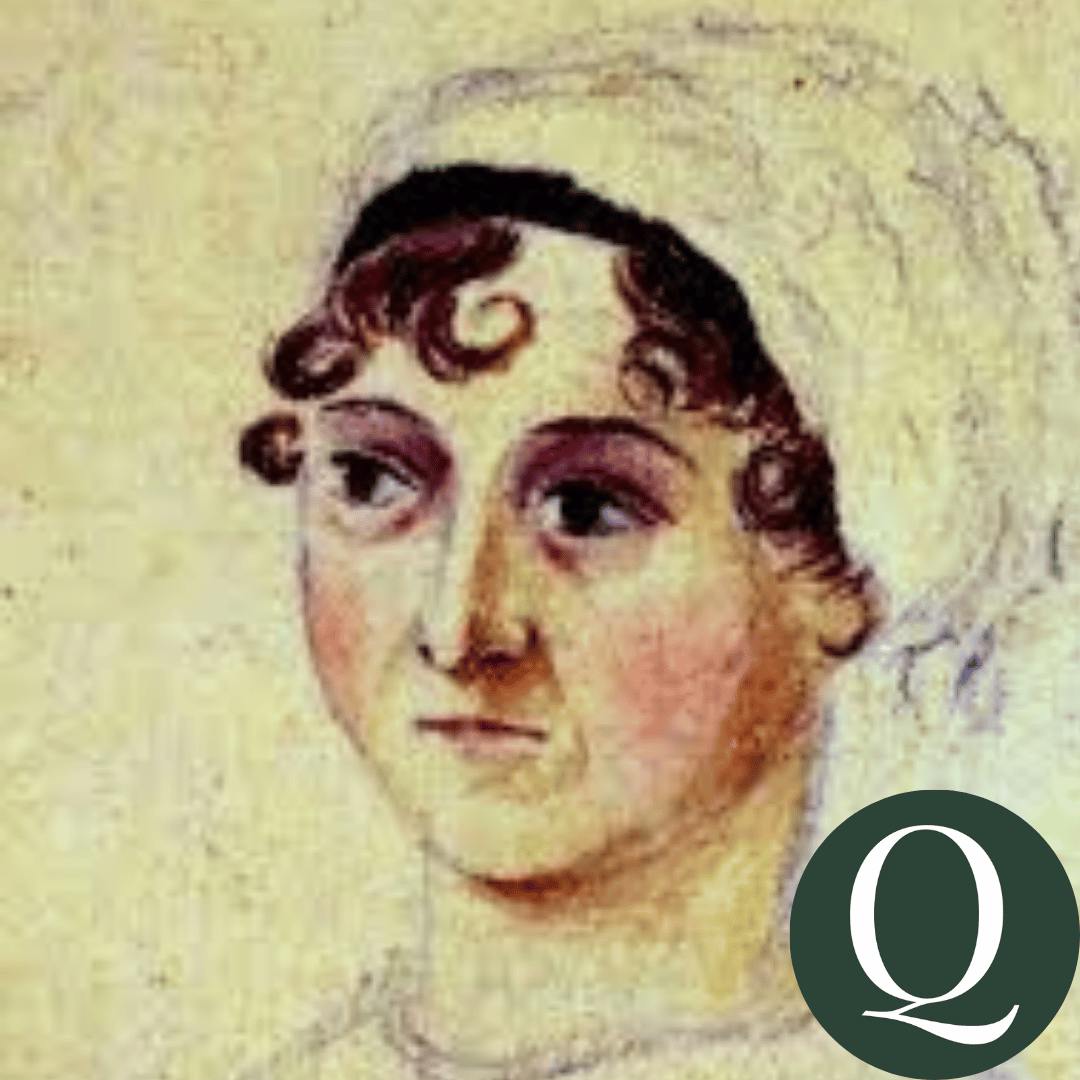
Despite her reputation for conservative subject matter, Austen's technical audacity was unprecedented. She introduced narrative techniques like free indirect style to English fiction, making her a true experimental writer of her time, developing these innovations in isolation without a literary community for feedback.
A key, underappreciated factor in the Renaissance was political fragmentation. In the city-states of Italy and duchies of Germany, there was no single king or emperor with the power to suppress new, challenging ideas, allowing humanism and innovation to thrive.

Upstart Italian rulers, lacking noble lineage, adopted Roman art, architecture, and scholarship as propaganda. This created an aura of classical greatness and stability, making them seem like legitimate successors to the Caesars rather than mere tyrants who had seized power through a coup.
The Renaissance began as an attempt to create virtuous leaders by reviving Roman education. The project failed to produce better rulers but succeeded in building the necessary infrastructure—libraries and scholarly networks. This intellectual ecosystem, created for one purpose, became the fertile ground for the Scientific Revolution generations later.