Get your free personalized podcast brief
We scan new podcasts and send you the top 5 insights daily.
Booz Allen's LP investment in Andreessen Horowitz's (a16z) growth fund is not a sourcing strategy for future acquisitions. The primary goal is to gain deeper access to cutting-edge technology and strengthen partnerships with portfolio companies to bring solutions to their government clients.

Related Insights
Booz Allen spun out its internal Snap Attack technology because they determined it required a venture capital investment profile to scale rapidly. They recognized that an external VC-backed structure was better suited for its growth trajectory than their internal corporate environment.
For a strategic acquirer like Booz Allen, a cold inbound from an investment banker for an unknown company is a negative signal. Their M&A strategy relies on long-term relationship cultivation; if they don't know the company before it hits the market, they likely won't engage.
A core part of a16z's growth fund strategy is to invest in companies the firm's early-stage team passed on. This acts as an internal "fix the mistake fund," providing a structured way to correct errors of omission and get a second chance at breakout companies.

For its American Dynamism fund, Andreessen Horowitz provides more than capital; it fields a dedicated policy team in Washington D.C. This team works to change structural government problems, like defense procurement, creating a more favorable market for its portfolio and the broader startup ecosystem.
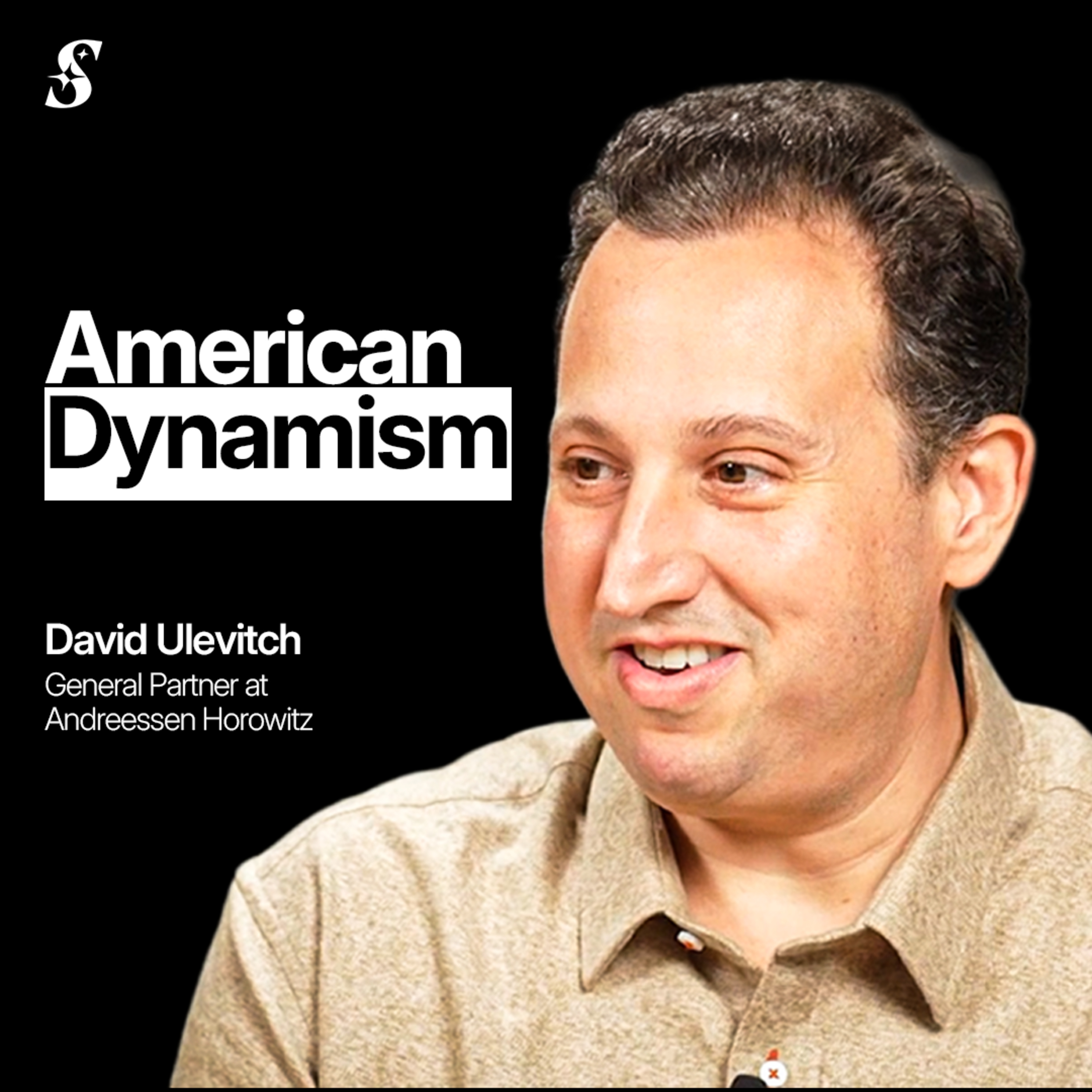
A16z frames its "American Dynamism" portfolio, which invests in national interest sectors, as the "child coming to teach the parent." It aims to re-inject Silicon Valley's rapid innovation model back into the government, the very entity that fostered Silicon Valley's original culture post-WWII.

The company's M&A philosophy prioritizes acquiring companies they have previously partnered with. This approach provides deep pre-diligence insights into capabilities, culture, and strategic fit, significantly de-risking the acquisition and strengthening the business case for the deal.
A primary function of Andreessen Horowitz's growth fund is to correct errors of omission from its early-stage team. Joking referred to as the "fix the mistake fund," it provides a second chance to invest in companies the firm initially passed on. This internal synergy is a core part of their multi-stage strategy.

A16z's growth fund avoids traditional investment committees, which can lead to politicization and slow decisions. Instead, it uses a venture-style "single trigger" model where one partner can champion a deal, encouraging intellectual honesty and speed.
![David George - Building a16z Growth, Investing Across the AI Stack, and Why Markets Misprice Growth - [Invest Like the Best, EP.450] thumbnail](https://megaphone.imgix.net/podcasts/8da7dbd8-ceeb-11f0-941c-ef83bcdd4c9f/image/d44107bc94719f78fbe91befb141073e.jpg?ixlib=rails-4.3.1&max-w=3000&max-h=3000&fit=crop&auto=format,compress)
A significant, under-the-radar shift has occurred in venture capital: the U.S. government is now a key partner and co-investor in early-stage deep tech. Firms like Voyager Ventures report that nearly half their portfolio companies have government deals, with entities like In-Q-Tel becoming frequent co-investors, marking a new era of public-private collaboration.

To break into the VC oligopoly, Andreessen Horowitz differentiated itself by building a firm as a "product" for entrepreneurs. They focused on providing the network, knowledge, and support founders needed to become CEOs, a service incumbent VCs were not structured to offer.
![Ben Horowitz - Backing America’s Future - [Invest Like the Best, EP.457] thumbnail](https://megaphone.imgix.net/podcasts/9505619a-009e-11f1-869d-c7d5bc43b194/image/83257eb514e1fd42513d2e46eeb4e9dd.jpg?ixlib=rails-4.3.1&max-w=3000&max-h=3000&fit=crop&auto=format,compress)