Get your free personalized podcast brief
We scan new podcasts and send you the top 5 insights daily.
After 30 years in business, Marlyn Schiff brought in an outside consultant. This external perspective helped her refocus on specific growth goals and identify new strategies she couldn't see from within the company. It proves that even veteran entrepreneurs benefit from an unbiased, outward-in view.

Related Insights
Facing a down year, Lindsay Carter put her ego aside and called trusted industry contacts for help. This simple act provided concrete, tactical advice—like using new AI tools and auditing marketing funnels—that gave the company an immediate boost and catalyzed its recovery. Asking for help was a critical strategic lever, not a sign of weakness.

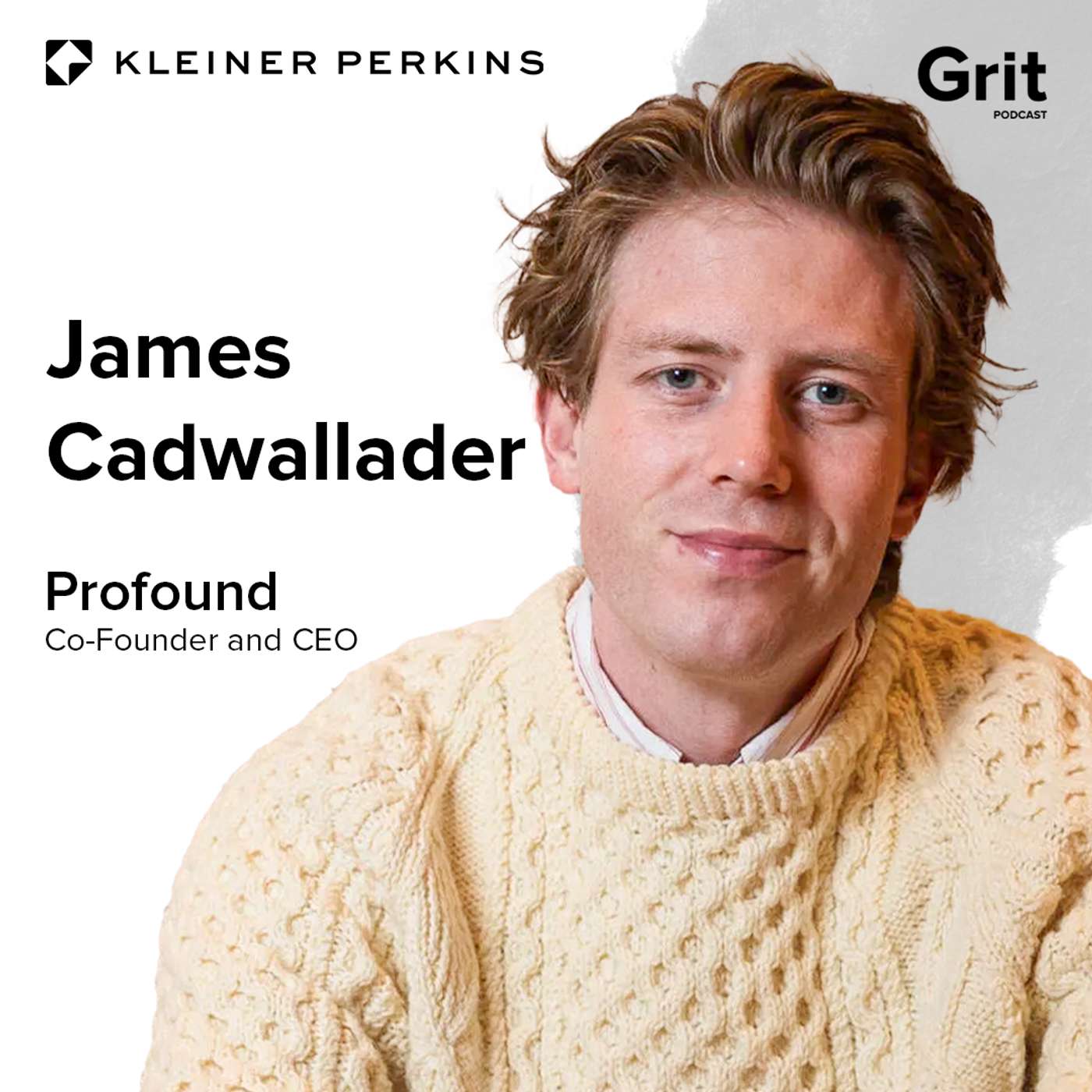
A scaling founder can avoid "breaking the model" during hypergrowth by hiring senior leaders with proven track records in similar environments. For example, Profound hired a CRO who previously scaled a company with the same target customer to $250M, bringing invaluable experience to manage chaos.
Ring founder Jamie Siminoff reveals he couldn't see the company's deep structural flaws while leading it day-to-day. Only after leaving and gaining an outside perspective could he identify and fix problems he had inadvertently created, returning with "sniper focus."

Despite his HubSpot sales background and initial skepticism, Rocksalt.ai co-founder Arjun Morthy found sales coaching invaluable. An external perspective forced them to eliminate two of their three potential ICPs and focus solely on CEOs. This decisive action, which they struggled to make internally, clarified their entire go-to-market strategy.

Shift your problem-solving mindset from personal execution to delegation and leverage. By seeking out mentors, coaches, or employees who have already solved your problem, you can achieve your goals more efficiently and avoid common pitfalls.

While domain experts are great at creating incremental improvements, true exponential disruption often comes from founders outside an industry. Their fresh perspective allows them to challenge core assumptions and apply learnings from other fields.

After finding product-market fit, Toast's founders realized they lacked the skills for company-building and execution. In a move counter to modern startup culture, they hired an experienced external CEO to scale the organization, while they stepped into President roles.

Sandeep Kulkarni's experience as a public market investor ingrained a constant awareness of capital allocation, competitive threats, and creating options. This external lens, often differing from a purely scientific founder's internal focus, helps in making pragmatic, value-driven decisions and navigating market dynamics.

After eight years of grinding, the founder recognized he had taken the company as far as his skillset allowed. Instead of clinging to control, he proactively sought an external CEO with the business acumen he lacked, viewing the hire as a "life preserver" to rocket-ship the company's growth.

Instead of taking on every task, business owners should focus on finding the right person, mentor, or AI tool to solve problems. This outsourcing and delegation mindset is crucial for growth and prevents the founder from becoming a bottleneck.
