Get your free personalized podcast brief
We scan new podcasts and send you the top 5 insights daily.
It's far harder for internet creators to break into Hollywood than for celebrities to launch online content. The reason is structural: the internet lacks the 'gatekeepers' (studios, casting directors) that creators must navigate in traditional media, creating an asymmetrical crossover challenge.

Related Insights
As AI tools enable millions of amateur creators to produce professional-quality content, platforms like YouTube and Spotify become less reliant on a small number of mainstream media giants. This diffusion of content creation shifts bargaining power away from traditional studios and labels to the platforms themselves.
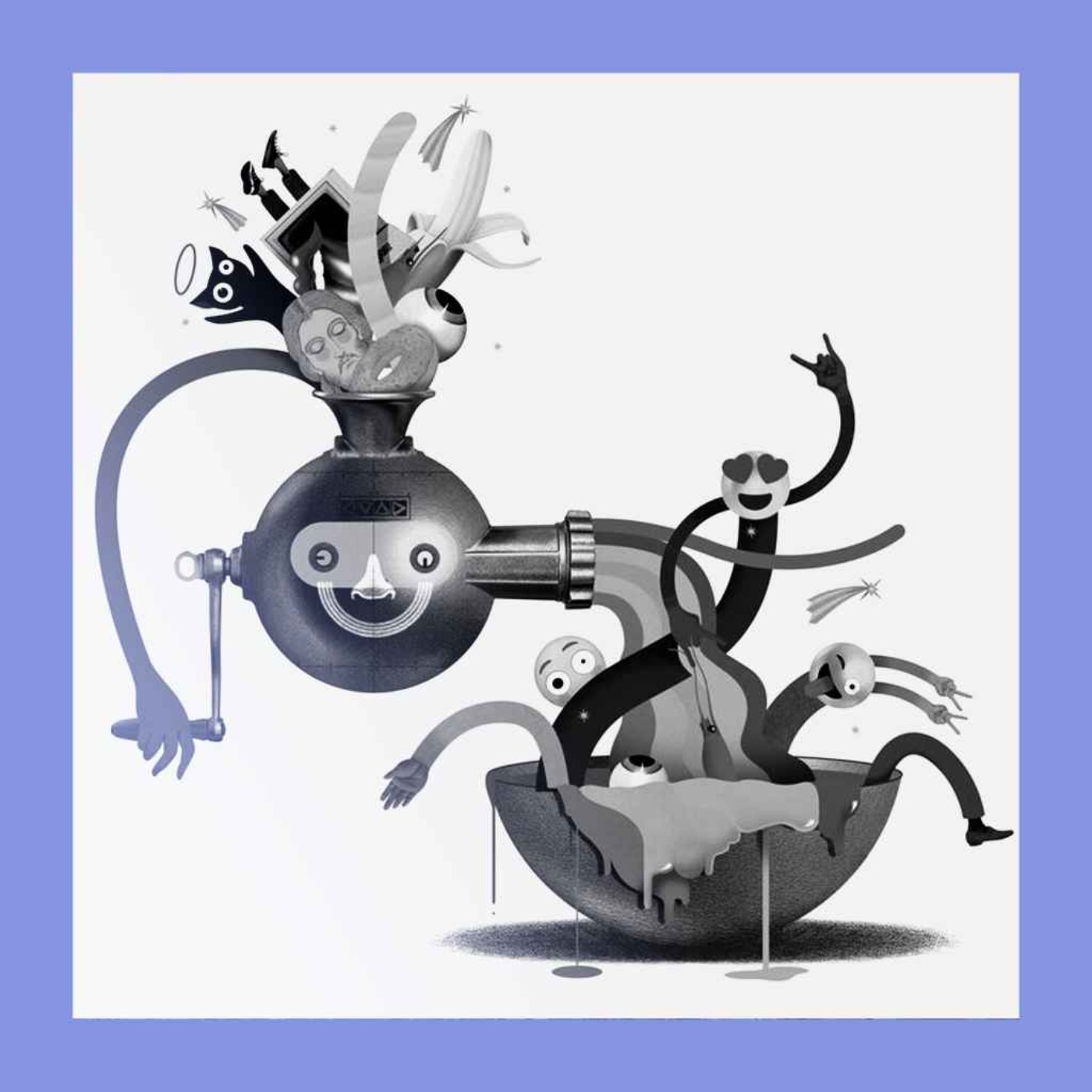
Tubi's CEO argues that the media industry's focus on consolidation misses the bigger story. The more profound shift is the convergence of the creator economy and traditional Hollywood, which is fundamentally changing how content is made, distributed, and consumed by the next generation of viewers.
Traditional media companies are turning to successful YouTube creators to source proven concepts and talent. They offer upfront capital to scale existing YouTube IP into larger productions, creating a symbiotic relationship between once-separate platforms.

A significant trend is the migration of seasoned executives from companies like Discovery to leadership positions at studios founded by creators like Dhar Mann and Mark Rober. This infuses creator-led businesses with the strategic expertise needed to build durable, multi-platform media franchises.

The next evolution of the creator economy involves creators building their own vertically integrated studios, complete with production, marketing, CPG, and supply chain infrastructure. They are no longer just talent for hire but self-sufficient media and commerce companies controlling their own IP.

'Beast Games' served as a 'lightning rod' event, forcing traditional Hollywood to recognize that top internet creators can translate their massive online audiences to mainstream platforms. This success validates creators as legitimate players who can produce high-value IP, not just social media stars.
A key opportunity exists in pairing successful creators, who have audience and cultural relevance but lack business infrastructure, with media companies that possess monetization engines but have lost touch with talent-driven content. This symbiotic relationship forms the basis for a modern media M&A strategy.

Independent animators are bypassing Hollywood gatekeepers by building massive fandoms directly on YouTube. By proving their IP with hundreds of millions of views and monetizing via merch, they gain incredible leverage, forcing studios to come to them with favorable deals.

The power of industry gatekeepers lies in saying 'no,' which makes them feel important but stifles creativity. This risk aversion leads to a homogenous media landscape filled with copies and sequels, while truly innovative, independent projects are denied a platform.
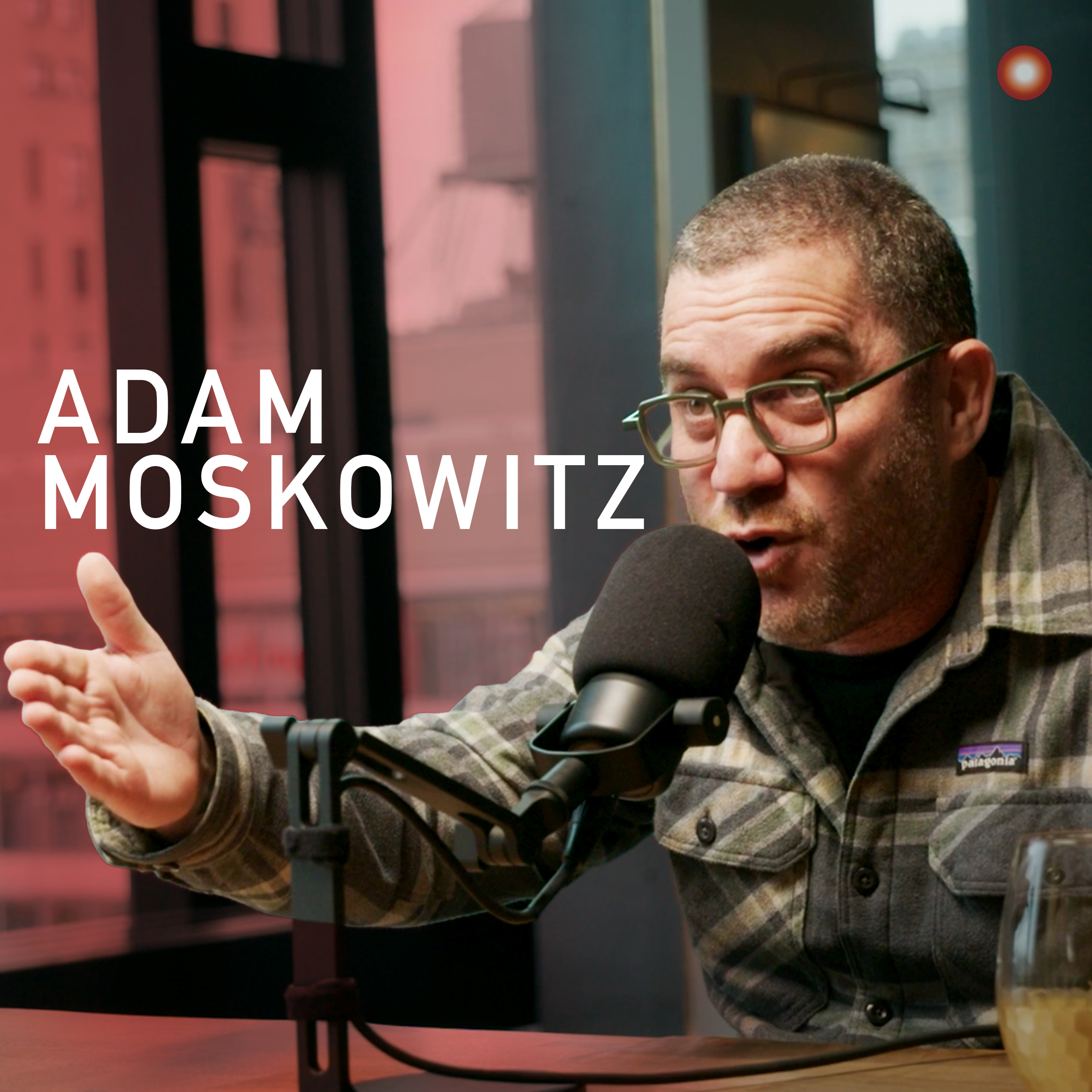
Social media lets comedians build audiences directly, bypassing traditional gatekeepers. While this empowers many, Punch Up's founder argues it's a "mixed bag." A talented but not social media-savvy comic like Mitch Hedberg might fail today without the industry "shepherds" who once nurtured them.