Get your free personalized podcast brief
We scan new podcasts and send you the top 5 insights daily.
Bilyeu highlights a core message from "The Gulag Archipelago": "The line between good and evil runs through every human heart." He stresses the importance of recognizing one's own capacity for weakness and complicity, rather than assuming one would be a hero in a totalitarian system.

Related Insights
Lying is a cognitive distortion, not just a moral failing. Insights from Dostoevsky's time in a gulag suggest that habitual lying degrades your ability to discern truth in yourself and others, erodes self-respect, and ultimately blocks your ability to give and receive love.

History’s most shocking atrocities are defined less by their authoritarian leaders and more by the 'giant blob of enablers' who facilitate them. The current political climate demonstrates this, where professionals and politicians abdicate their expertise and principles to avoid conflict, becoming complicit in the process and allowing destructive ideologies to gain power.

According to Lionel Shriver, a novelist's task is not to reinforce beliefs but to plant a seed of doubt. By presenting a compelling alternative reality, fiction can contaminate a reader's innocent assumptions and force them to contend with complexity, splitting their perspective.

The Epstein files are more than a political scandal; they are a case study in the fundamental, often dark, patterns of human behavior. They reveal how the human psyche, when combined with immense power, predictably gravitates towards control, coercion, and bizarre proclivities.

Tom Bilyeu argues that reading books like "The Gulag Archipelago" is essential today. He believes society is forgetting the brutal consequences of communism, making it vulnerable to re-adopting failed economic systems that require force to achieve equal outcomes.
Psychiatrist and dissident Semyon Gluzman reported feeling the "same keen sense of freedom" in the punishment cells of a Soviet labor camp as in his Kyiv apartment during wartime blackouts. This reveals a profound paradox: for him, true freedom was an internal state of resistance, most acutely felt when external liberties were stripped away.
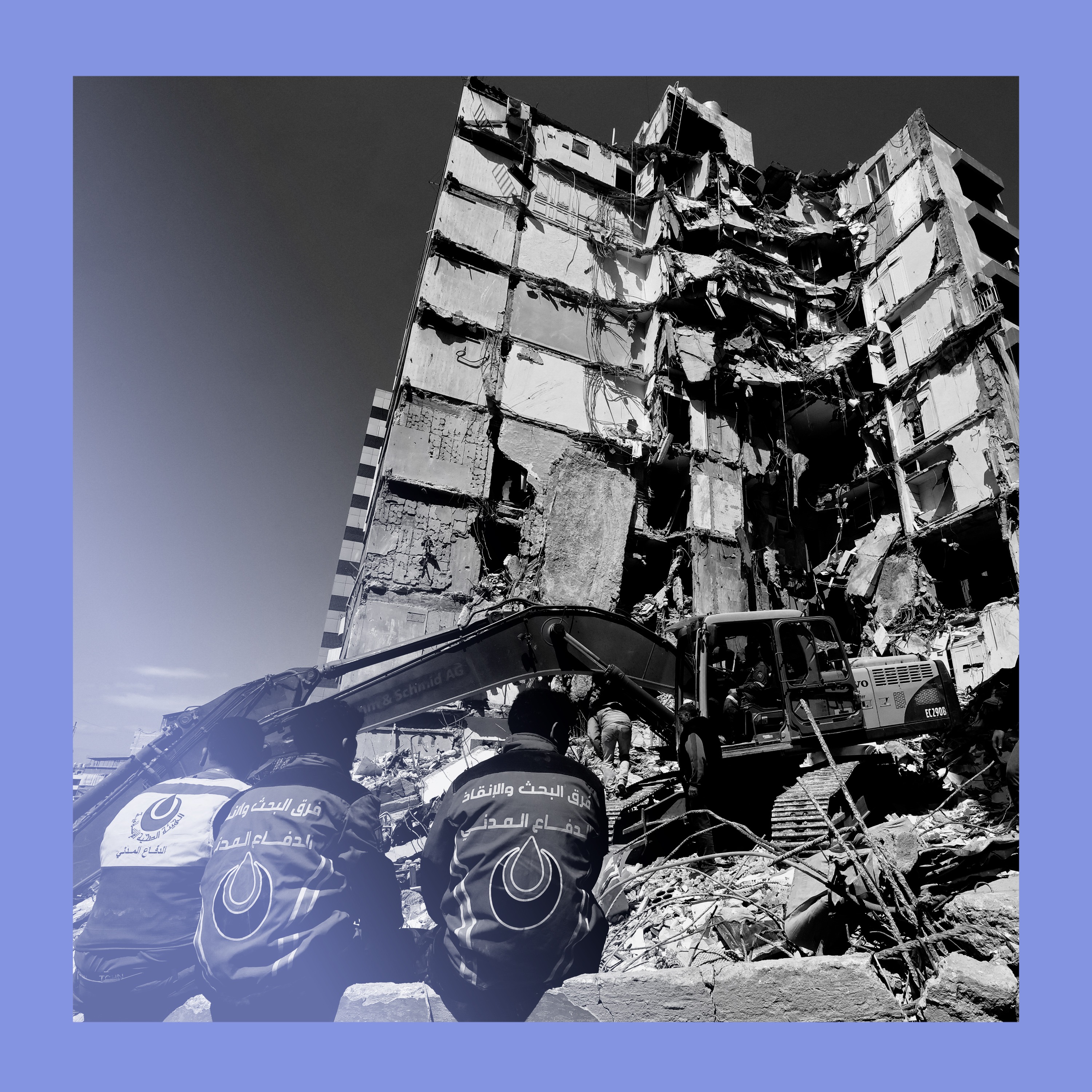
A key insight from Alexander Solzhenitsyn's work is that happiness is a fragile goal. In the brutal Soviet prison camps, those who clung to a deeper moral purpose maintained their humanity, even if it cost them their lives. The ultimate aim is not to survive at any cost, but to live a life of purpose.

In Shriver's novel, the progressive characters' naivety is to see immigrants as simplistically good. The protagonist's "wariness," conversely, ascribes to them the "diabolical complexity of a real human being," which the book presents as a more profound and genuine form of respect.
Shaka Senghor reframes the experience of incarceration not as a defining event, but as a revealing one. It strips away everything superficial and exposes a person's core essence, particularly their innate resilience and will to overcome adversity.

Author Shaka Senghor posits that internal prisons built from negative emotions like grief, shame, and trauma are more powerful and restrictive than literal ones. Overcoming them requires deep internal work, not a change in external circumstances.