Get your free personalized podcast brief
We scan new podcasts and send you the top 5 insights daily.
One's stance on an issue should be consistent regardless of the individual involved. If you celebrate Don Lemon's arrest but would decry Alex Jones's for the same act, you have a personal bias, not a principled stance on the policy.

Related Insights
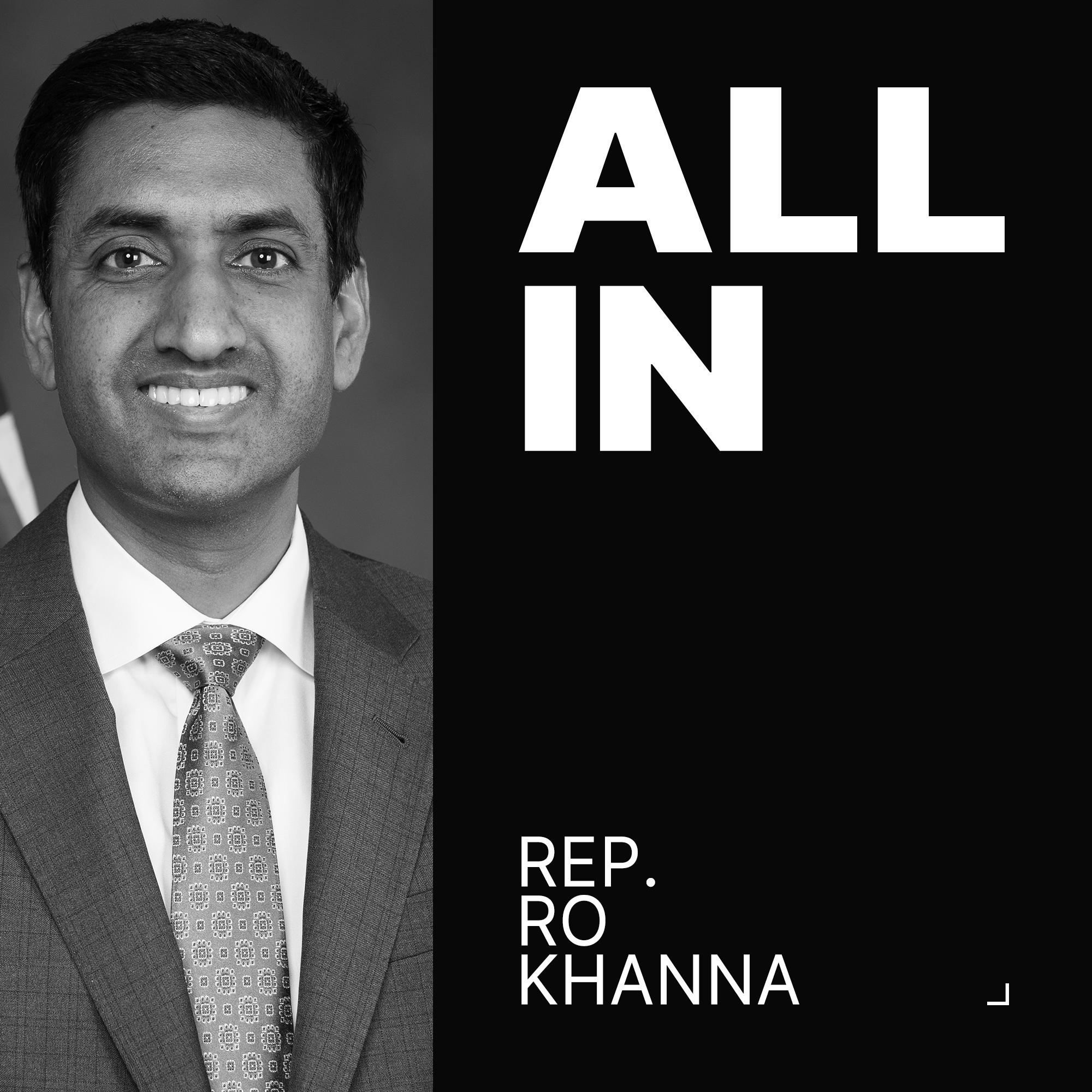
Ro Khanna argues that the true measure of a commitment to free speech isn't defending allies, but defending the speech of opponents. He builds credibility by citing his record of defending views he disagrees with, asserting this consistency is lacking on both political sides.
A significant ideological inconsistency exists where political figures on the right fiercely condemn perceived federal overreach like the "Twitter files"—requests to remove content—while simultaneously defending aggressive, violent federal actions by agencies like ICE. This reveals a partisan, rather than principled, opposition to government power.
By openly admitting your inconsistencies while still advocating for a principle, you remove the deceptive claim to unearned status that angers people. This vulnerability prevents a 'gotcha' moment and fosters a more honest conversation, building trust and allowing imperfect people to advocate for important causes.

When you fuse your identity with a political philosophy, any challenge to that ideology feels like a personal attack on you. This emotional reaction prevents rational debate. To foster better conversations, you must create distance between your beliefs and your fundamental sense of self.

People are more infuriated by hypocrisy than by open corruption. Because a figure like Trump doesn't pretend to adhere to any ethical norms, he can't be accused of being a hypocrite. This blatant shamelessness acts as a shield, making traditional attacks based on norm violations ineffective.
Avoid focusing animosity on individual political figures, as they are merely symptoms of a larger, rising ideology. The real threat is the movement, not the person. Therefore, energy should be directed at debating the underlying ideas rather than launching personal attacks.

Rushdie contends that when progressives advocate for censoring speech they disapprove of, they weaken their moral standing to defend other forms of expression, like political satire. This internal contradiction makes it harder to argue against authoritarian censorship, as the principle of free speech is applied inconsistently.

Our anger towards hypocrisy stems from a perceived 'false signal.' A hypocrite gains status (respect, trust) without paying the cost of their claimed principles. This triggers our deep sense of injustice about an unfair exchange, making the violation about social standing more than just morality.
Constantly hunting for hypocrisy in others can be a 'hypocrisy trap.' The accuser gets a rush of moral superiority, creating a gap between their virtuous self-image and their mixed motives. This zeal can lead them to demand standards from others that they themselves don't consistently meet.
Understanding political behavior is simplified by recognizing the primary objective is not ideology but accumulating and holding power. Actions that seem hypocritical are often rational calculations toward this singular goal, including telling 'horrific lies.'