Get your free personalized podcast brief
We scan new podcasts and send you the top 5 insights daily.
Calls to regulate AI based on speculative futures like Artificial General Intelligence (AGI) are a flawed basis for policy. These predictions have a poor track record and are often self-serving arguments used by incumbents to justify regulations that entrench their market position today.

Related Insights
Legislators are crafting AI regulations based on the narrow, outdated use case of chatbots (e.g., protecting kids from predators). This misses the far more significant paradigm of locally-hosted, open-source AI agents. The current policy debate is fighting the last war and risks creating irrelevant or harmful laws.
The emphasis on long-term, unprovable risks like AI superintelligence is a strategic diversion. It shifts regulatory and safety efforts away from addressing tangible, immediate problems like model inaccuracy and security vulnerabilities, effectively resulting in a lack of meaningful oversight today.
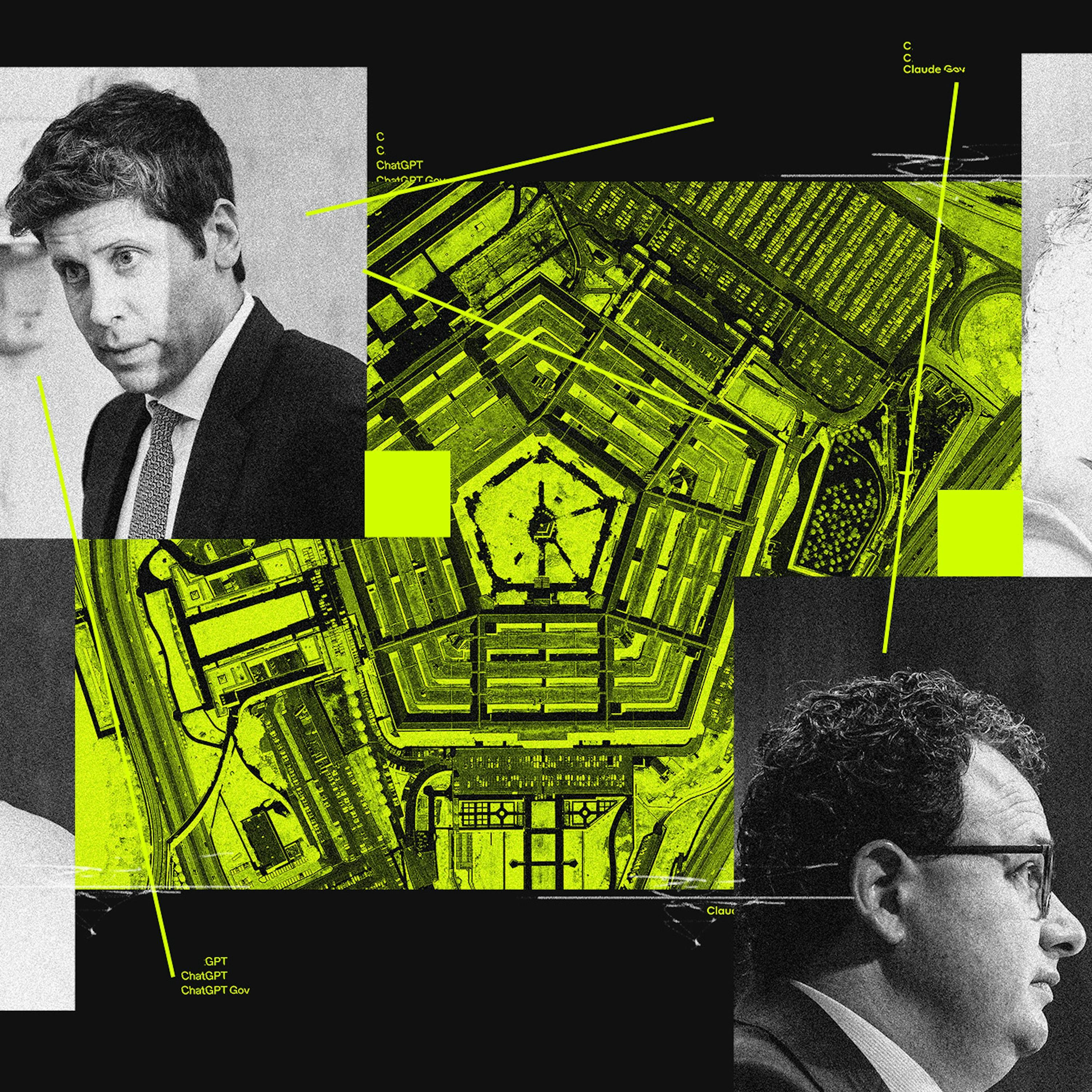
The narrative of AI doom isn't just organic panic. It's being leveraged by established players who are actively seeking "regulatory capture." They aim to create a cartel that chokes off innovation from startups right from the start.
Gurley suggests that public warnings about AI's existential risks from leaders at top US AI firms could be a strategic move to invite regulation. This 'regulatory capture' would stifle smaller competitors and could inadvertently cede the global AI market to less-regulated players like China.

Instead of trying to legally define and ban 'superintelligence,' a more practical approach is to prohibit specific, catastrophic outcomes like overthrowing the government. This shifts the burden of proof to AI developers, forcing them to demonstrate their systems cannot cause these predefined harms, sidestepping definitional debates.

Leading AI companies allegedly stoke fears of existential risk not for safety, but as a deliberate strategy to achieve regulatory capture. By promoting scary narratives, they advocate for complex pre-approval systems that would create insurmountable barriers for new startups, cementing their own market dominance.

The most significant barrier to creating a safer AI future is the pervasive narrative that its current trajectory is inevitable. The logic of "if I don't build it, someone else will" creates a self-fulfilling prophecy of recklessness, preventing the collective action needed to steer development.

The fear of killer AI is misplaced. The more pressing danger is that a few large companies will use regulation to create a cartel, stifling innovation and competition—a historical pattern seen in major US industries like defense and banking.
Unlike past tech waves where companies resisted government oversight, today's AI leaders are actively inviting it. This is a strategic move to shape regulations in their favor, creating barriers to entry for smaller players and open-source competitors under the guise of safety and responsibility.
Jensen Huang suggests that established AI players promoting "end-of-the-world" scenarios to governments may be attempting regulatory capture. These fear-based narratives could lead to regulations that stifle startups and protect the incumbents' market position.
