Get your free personalized podcast brief
We scan new podcasts and send you the top 5 insights daily.
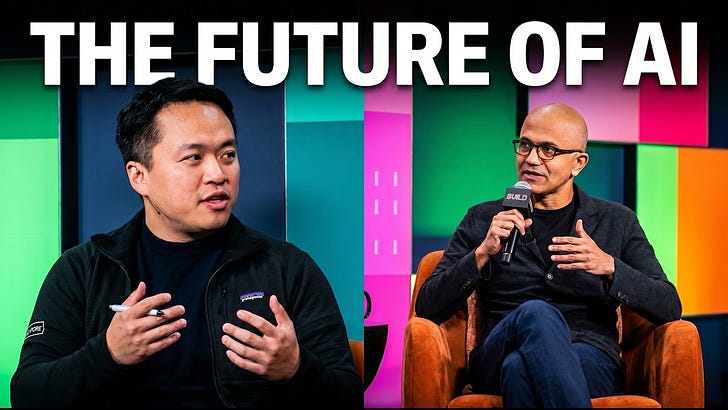
While outcome-based pricing is attractive in theory, customers often prefer the certainty of per-user or consumption-based models. According to Nadella, once a customer achieves a successful outcome, they view sharing that upside as a royalty and quickly ask to revert to predictable pricing structures.
Related Insights
Atlassian's CEO argues against the death of per-seat pricing. He states that customers dislike the unpredictability of consumption models, and value-based models are too hard to measure accurately. This practical friction ensures simpler, predictable pricing will persist.

HubSpot's shift to 'outcome-based' pricing for AI, charging per 'resolved conversation,' introduces complexity. Customers now face budget uncertainty and must rely on HubSpot's definition of a successful outcome, which may not align with their own business value, creating more questions than answers.

Usage-based pricing for AI faces strong customer resistance. Unlike cloud storage where usage is directly controlled, AI credit consumption can be driven by new vendor-pushed features. This lack of control and predictability leads to bill shock, making customers prefer the stability of per-seat models.

In categories like customer support, where AI can handle the vast majority of queries, charging per human agent ('per seat') no longer makes sense. The business model is shifting to be outcome-based, where customers pay for the value delivered, such as per ticket resolved or per successful interaction.
The dominant per-user-per-month SaaS business model is becoming obsolete for AI-native companies. The new standard is consumption or outcome-based pricing. Customers will pay for the specific task an AI completes or the value it generates, not for a seat license, fundamentally changing how software is sold.
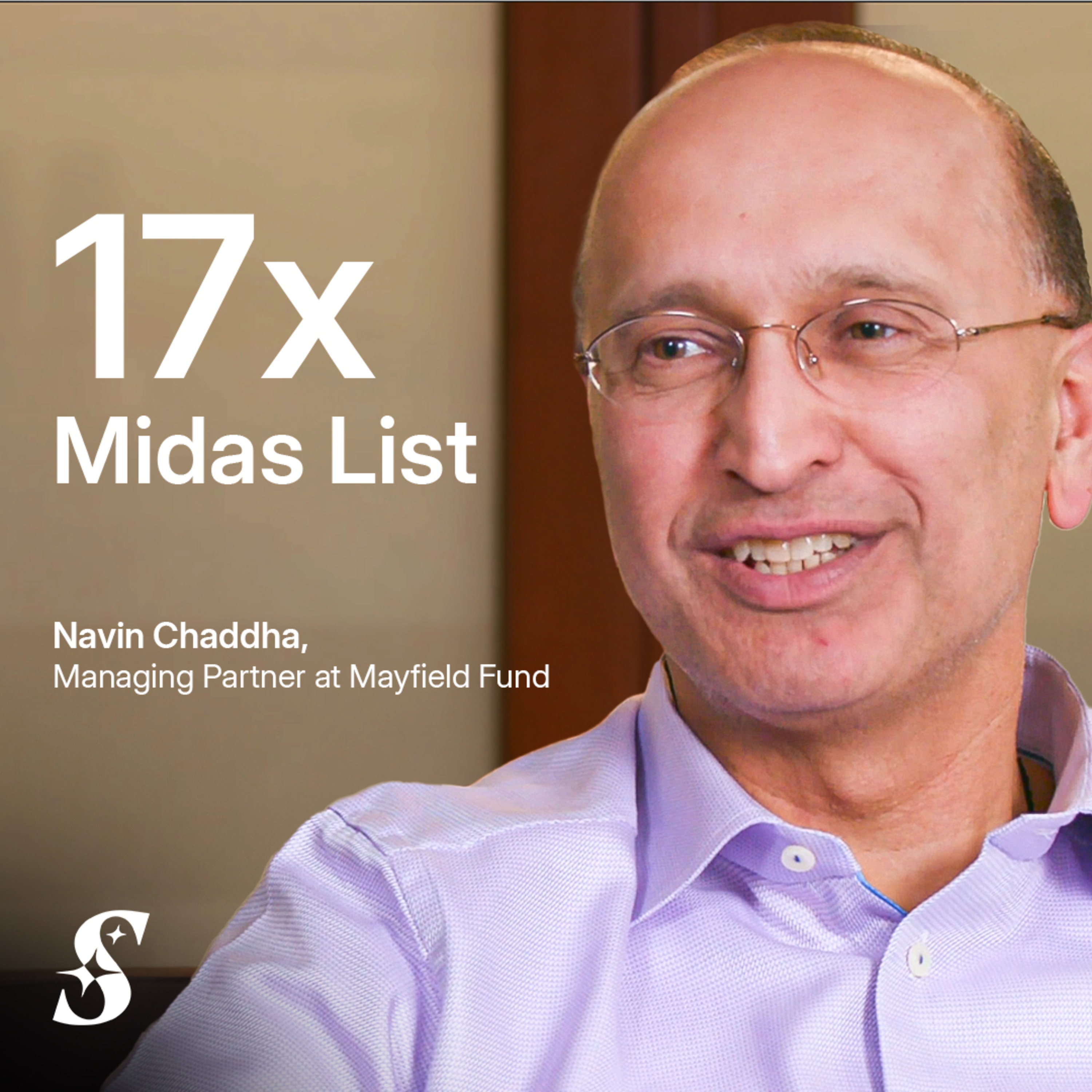
Beyond upfront pricing, sophisticated enterprise customers now demand cost certainty for consumption-based AI. They require vendors to provide transparent cost structures and protections for when usage inevitably scales, asking, 'What does the world look like when the flywheel actually spins?'

The B2B software business model is evolving from licenses and subscriptions toward outcome-based pricing, where customers pay for successful task completion. While currently limited to measurable areas like customer support, this model represents the next major disruptive wave as AI makes more outcomes quantifiable.
AI SaaS companies have variable, usage-based costs, but customers demand predictable flat fees for procurement. Product Fruits found charging per usage failed. The solution is to accept the uncertainty, create flat-fee plans, and absorb the risk of variable backend costs to close deals.

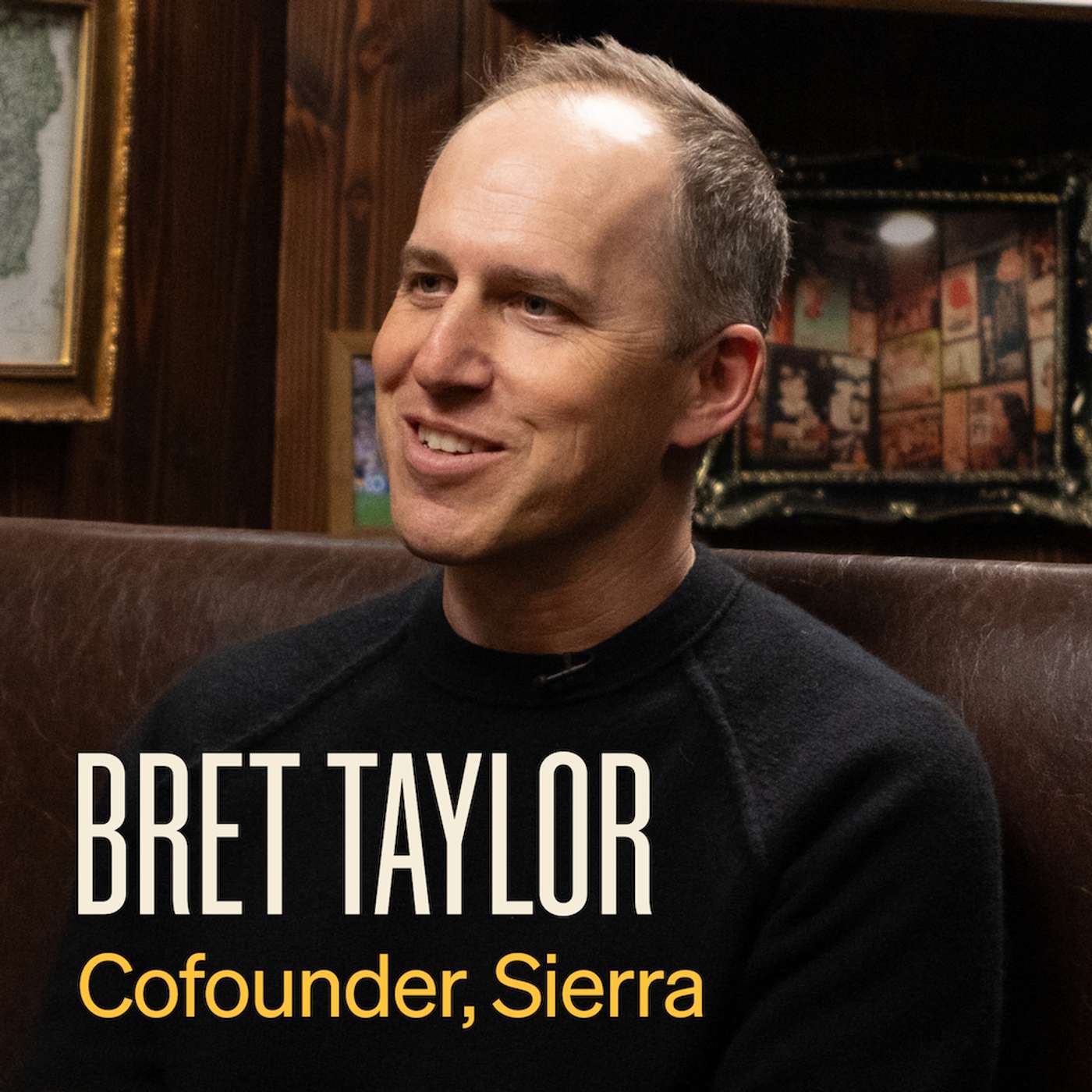
Bret Taylor of Sierra argues outcome-based pricing (charging for a resolved case) is superior to usage-based pricing (charging for tokens). It aligns vendor and customer interests by tying cost directly to business value, not resource consumption. This forces the vendor to improve product effectiveness, not just optimize for usage.
In the age of AI, software is shifting from a tool that assists humans to an agent that completes tasks. The pricing model should reflect this. Instead of a subscription for access (a license), charge for the value created when the AI successfully achieves a business outcome.
