Get your free personalized podcast brief
We scan new podcasts and send you the top 5 insights daily.
The investigation is a strategic move to remove Powell's long-term influence from the Board of Governors after his chairmanship ends, thereby eliminating a key voice of institutional stability and independence.

Related Insights
Increasing political influence, including presidential pressure and politically-aligned board appointments, is compromising the Federal Reserve's independence. This suggests future monetary policy may be more dovish than economic data warrants, as the Fed is pushed to prioritize short-term growth ahead of elections.

The threat to the Federal Reserve's independence is not limited to a single appointment. It involves a broader potential strategy of simultaneously nominating a chair, replacing other board members like Lisa Cook, and filling vacancies as they arise. This creates the possibility for a majority of the Fed board to become politically aligned with the administration.

The pressure on Fed Chair Powell aims not only to replace him as chair before his term ends but also to force him to vacate his governor seat, which runs until 2028. This would give the President an extra board appointment, accelerating control over the Fed's seven-member board.

The arguments to allow presidential firing of FTC commissioners create a slippery slope that threatens other independent, multi-member bodies. This logic could extend to the Federal Reserve's Board of Governors, potentially politicizing U.S. monetary policy—an outcome so significant that even the court's conservative justices appear wary of its implications.
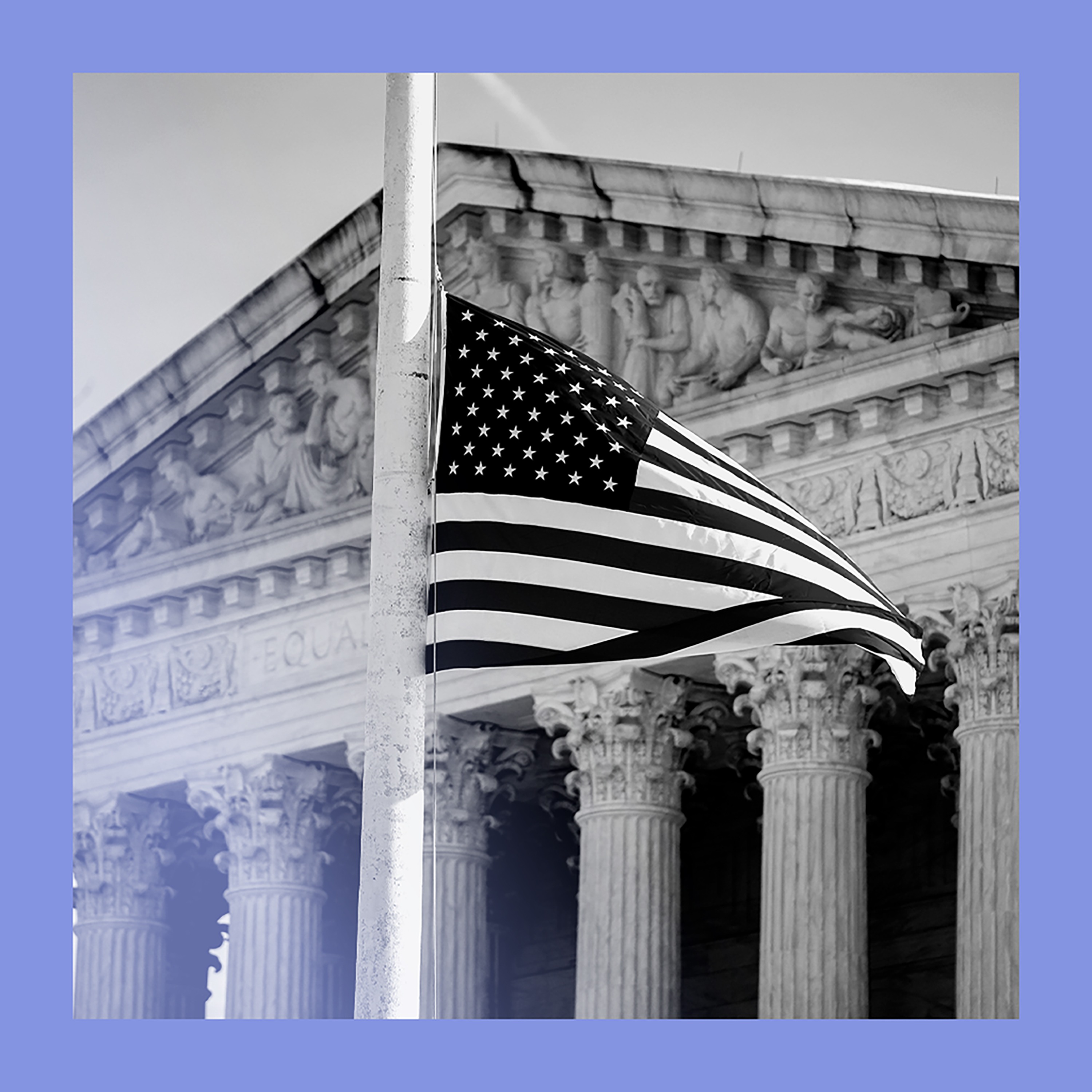
Despite the potential for personal financial gain from politically influenced rate cuts, the widespread public support for Fed Chair Jerome Powell during a DOJ investigation underscores a deeply held respect for central bank independence and data-driven policy.

Alan Blinder identifies a pending Supreme Court case on the President's power to remove a Fed governor as a potential market catalyst. An adverse ruling would set a precedent allowing political removal of governors, which could abruptly awaken "bond vigilantes" to the reality of a compromised central bank.
Ongoing political pressure, including attempts to remove a governor and uncertainty over the next Fed Chair, is perceived as a threat to the Federal Reserve's independence. This political risk is a key factor leading to the view that inflation break-evens are too low and their risks are skewed to the upside.

Alan Blinder argues that financial markets are severely underpricing the risk of political interference at the Federal Reserve. He cites the President's attempt to remove a governor and political appointments as clear threats that defy historical norms, calling it "one of the biggest underreactions" he's ever seen.
The debate over Fed independence is misplaced; it has already been compromised. Evidence includes preemptive reappointments of regional bank presidents and outspokenness from governors concerned about being bullied, indicating the Fed no longer operates in its prior insulated environment.
The criminal indictment threat against Fed Chair Jerome Powell is not merely a dispute over central bank independence. It's a tactic to make an example of a high-profile official, signaling to all government employees the consequences of defying the administration and forcing out perceived opponents.