Get your free personalized podcast brief
We scan new podcasts and send you the top 5 insights daily.
While platforms like Polymarket focus on public events, Robin Hanson argues their greatest potential lies in helping organizations and individuals make specific, high-stakes choices, such as corporate strategy or personal career moves, which he terms 'decision markets'.

Related Insights
While current prediction markets focus on consumer topics like politics and sports, Katie Haun believes the larger, untapped opportunity lies in enterprise applications. Businesses can use these markets for sophisticated risk hedging, predicting outcomes of drug trials, or forecasting litigation results, creating a new category of institutional financial tools.

Prediction markets are not just for betting. They are becoming a valuable source of predictive data for enterprises, as shown by new partnerships with media giants like CNN and CNBC. This dual-purpose model, functioning as both a consumer product and a B2B data service, creates two distinct revenue streams.

While both involve risk, prediction markets like Polymarket allow for bets on real-world events where an individual can have a genuine analytical edge. This contrasts with the uninformed, "degenerate" speculation common in meme coins, offering a potentially more rational outlet for risk capital.

Beyond finance and sports, prediction markets offer a powerful tool for governance. Policymakers can create markets on the potential outcomes of proposed policies (e.g., reducing unemployment). This provides a stronger signal than polling because participants have real financial 'skin in the game,' revealing true market sentiment.

The true value of prediction markets lies beyond speculation. By requiring "skin in the game," they aggregate the wisdom of crowds into a reliable forecasting tool, creating a source of truth that is more accurate than traditional polling. The trading is the work that produces the information.

Prediction markets are better suited for betting on the knowable outcomes of repeatable, pre-planned "pseudo-events" (like product launches or debates) rather than genuine, unpredictable "news" (like a car crash). This distinction is key to their business model, which blurs the line between information and entertainment.
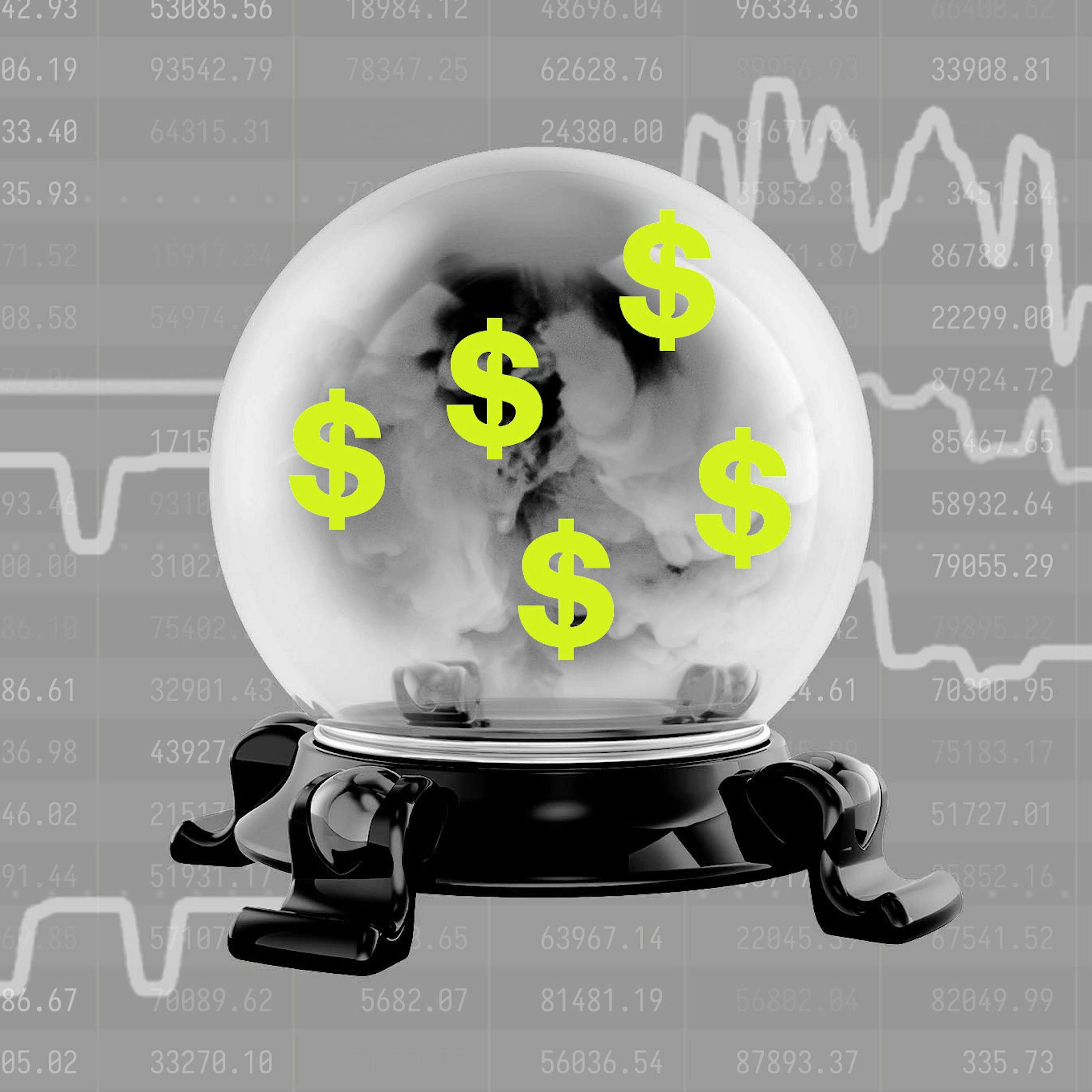
The financialization of everything, particularly through prediction markets, is defined as "the absence of politics." Instead of relying on trust in experts (politics), these markets force participants to put money where their mouth is, creating an objective measure of confidence based on liquidity at risk.

Prediction markets create a high-speed feedback loop for public figures. When a politician speaks or a company makes an announcement, the market reacts instantly, providing an unbiased signal of public reception. This is much faster than traditional polling, forcing leaders to rapidly iterate on their messaging and decisions.

Analysis shows prediction market accuracy jumps to 95% in the final hours before an event. The financial incentives for participants mean these markets aggregate expert knowledge and signal outcomes before they are widely reported, acting as a truth-finding mechanism.
Tarek Mansour argues traditional finance is dominated by institutions with an information advantage. Prediction markets create an opportunity for individuals with deep, non-traditional expertise—in culture, weather, or technology—to profit from unique insights often overlooked by Wall Street.
