Get your free personalized podcast brief
We scan new podcasts and send you the top 5 insights daily.
Prediction markets create a high-speed feedback loop for public figures. When a politician speaks or a company makes an announcement, the market reacts instantly, providing an unbiased signal of public reception. This is much faster than traditional polling, forcing leaders to rapidly iterate on their messaging and decisions.

Related Insights
Companies can surface honest feedback on major projects by creating anonymous, internal prediction markets. This allows employees to share crucial 'inside information' about potential delays or failures without fear of reprisal from leadership that only wants to hear good news.

When media reports on prediction market odds, that coverage itself becomes an event that influences the odds. This creates a feedback loop where the market isn't predicting an external reality but is reacting to its own coverage, effectively monetizing a self-generated rumor mill.
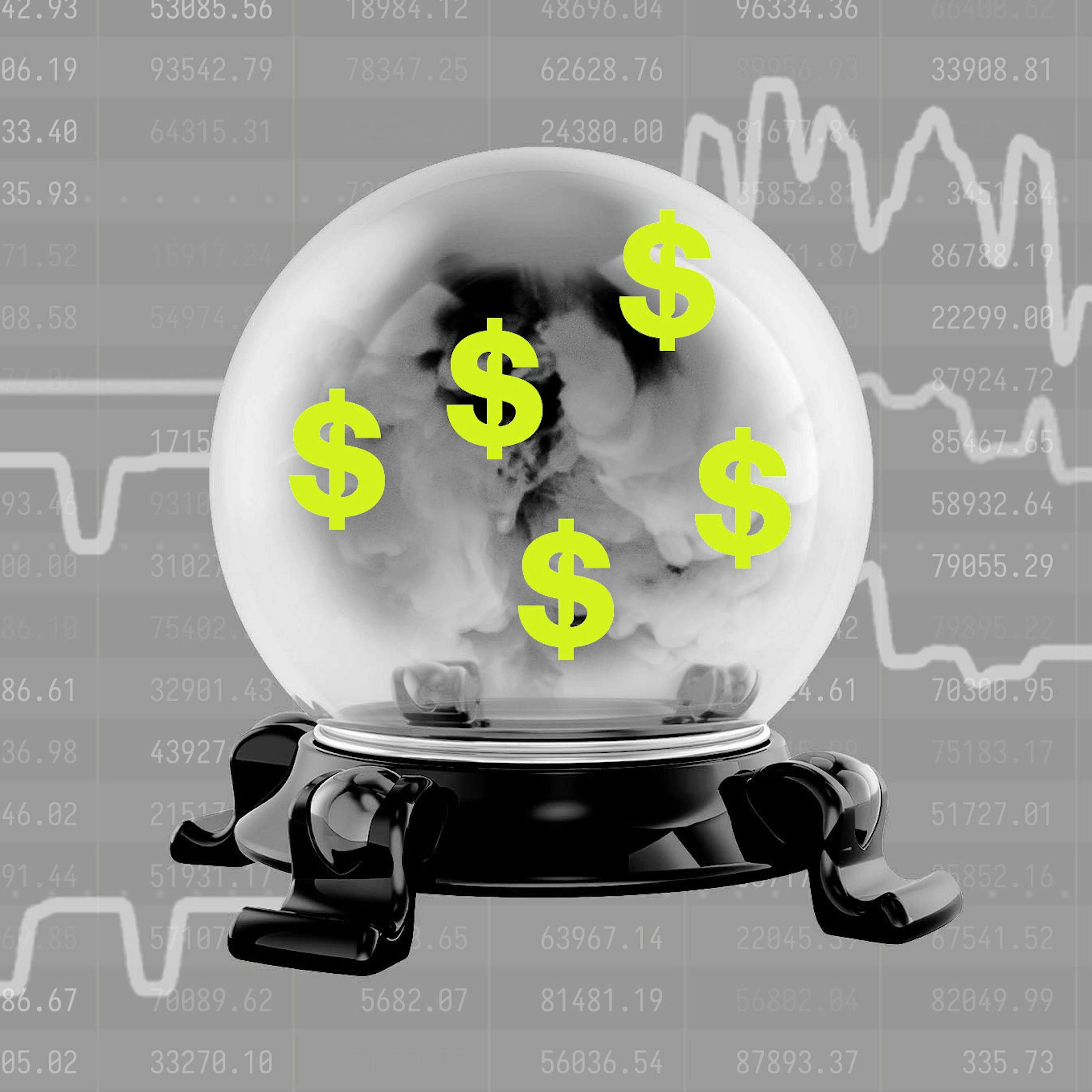
Beyond finance and sports, prediction markets offer a powerful tool for governance. Policymakers can create markets on the potential outcomes of proposed policies (e.g., reducing unemployment). This provides a stronger signal than polling because participants have real financial 'skin in the game,' revealing true market sentiment.

The true value of prediction markets lies beyond speculation. By requiring "skin in the game," they aggregate the wisdom of crowds into a reliable forecasting tool, creating a source of truth that is more accurate than traditional polling. The trading is the work that produces the information.

Rather than killing polling, prediction markets make it better. By creating a tradeable market around outcomes, they introduce a strong financial incentive for pollsters and campaigns to be accurate. This shifts focus from commissioning polls that confirm biases to producing data that can actually win trades, improving information quality.
Tarek Mansour reframes his controversial comment, arguing that prediction markets combat social media's engagement-driven noise. By attaching a financial stake, markets create a powerful incentive for objectivity and truth discovery, serving as an antidote to misinformation and polarization.

The financialization of everything, particularly through prediction markets, is defined as "the absence of politics." Instead of relying on trust in experts (politics), these markets force participants to put money where their mouth is, creating an objective measure of confidence based on liquidity at risk.

While praised for aggregating the 'wisdom of crowds,' prediction markets create massive, unregulated opportunities for insider trading. Foreign entities are also using these platforms to place large bets, potentially to manipulate public perception and influence political outcomes.
Kalshi's growth is fueled by rising public distrust in traditional news and polarized social media. While the incentive for most media is clickbait, prediction markets provide a powerful alternative: a financial structure where accuracy is the sole goal, creating a more reliable source of information for users.
Analysis shows prediction market accuracy jumps to 95% in the final hours before an event. The financial incentives for participants mean these markets aggregate expert knowledge and signal outcomes before they are widely reported, acting as a truth-finding mechanism.