Get your free personalized podcast brief
We scan new podcasts and send you the top 5 insights daily.
Warren Buffett's hiring framework prioritizes integrity alongside intelligence and energy. He warns that if a person lacks integrity, their intelligence and energy become liabilities. A smart, motivated, and unprincipled person is the most destructive force you can bring into an organization, so you'd better hope they're lazy and dumb.

Related Insights
Warren Buffett's reputation for honesty isn't just a moral stance; it's a core business strategy. It attracts private business owners seeking a trustworthy partner, leading to a steady flow of exclusive, high-quality acquisition opportunities that competitors never see.

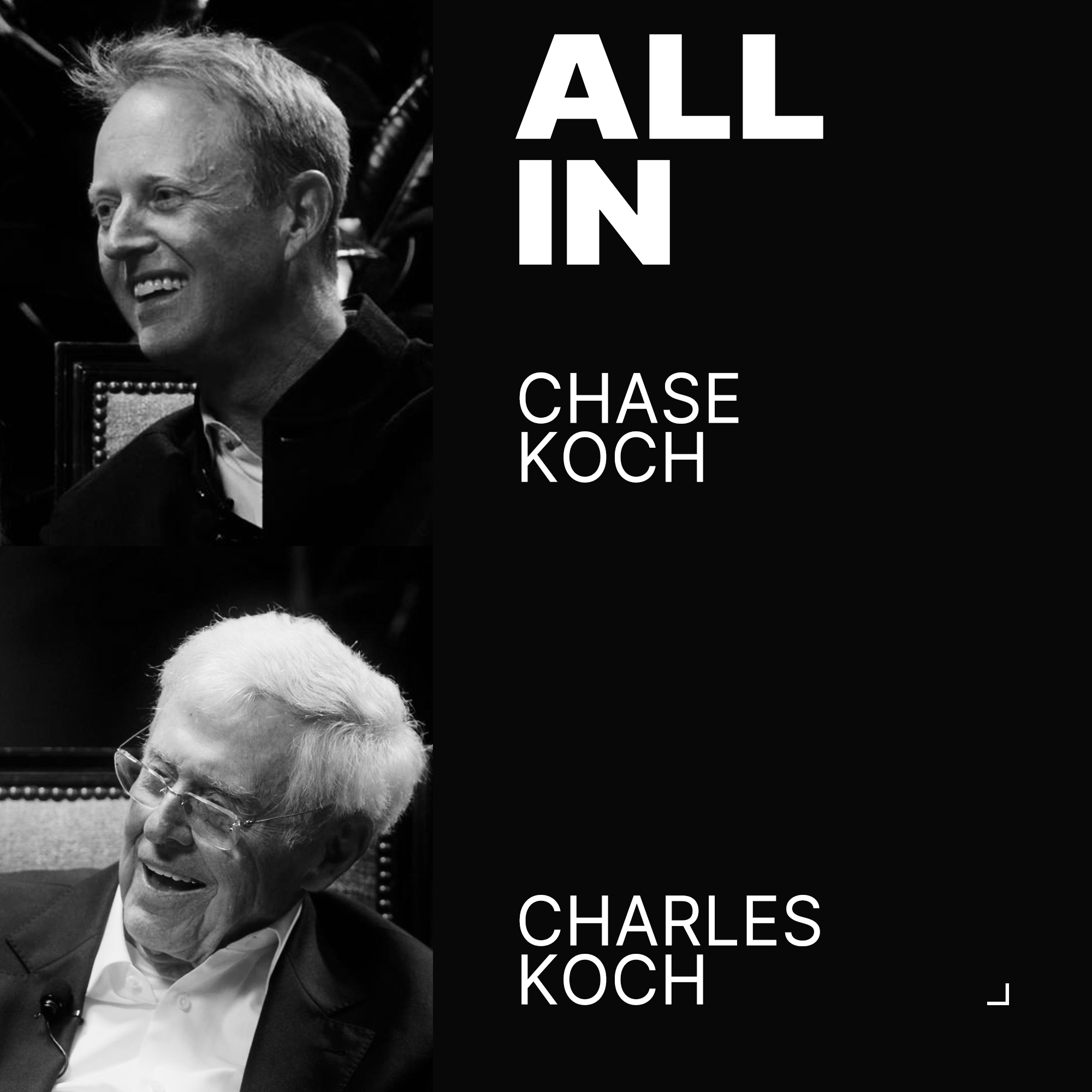
Charles Koch attributes the company's near-bankruptcy events to hiring talented people with poor values. The core principle became hiring first for values, even suggesting it's better to hire someone "slow and stupid" with good values than a talented person with bad ones, who can cause immense damage.
Many CEOs claim they want candid feedback, but their actions prove otherwise. Maryam Banikarim advises vetting leaders as you would a friend: based on values alignment and their ability to make and stand by hard decisions. True leadership is about consistent principles, not just saying the right things in an interview.

XPO evaluates candidates on three pillars: professional excellence (high intellect and passion), seriousness about work (mission-driven), and collegiality (kindness, humility, and a team-first attitude). This combination creates remarkable results.

Koch prioritizes a candidate's values and skills far above their formal credentials. This is exemplified by their current CIO, who has no college degree and started his career by striping lines in the company parking lot, but demonstrated a contribution-motivated mindset and exceptional capability.
The speaker learned to hire for innate personality traits like coachability and work ethic, which are nearly impossible to teach. Skills, on the other hand, can be developed through training. This reverses the common hiring approach of prioritizing a candidate's existing skills and experience.

For high-stakes decisions like hiring, Livestorm's CEO uses a simple heuristic from his mentor: "When there is a doubt, there is no doubt." This means that if you have any significant hesitation about a candidate, the answer should be no. This framework forces a default to certainty, preventing costly mistakes that arise from ambiguous feelings.

A poor performer (3/10) is easy to identify and fire. A mediocre performer (7/10) is more dangerous because they have enough redeeming qualities to justify keeping them. Over time, these hires lower the company's overall talent bar and gravitational pull, leading to a culture of mediocrity.

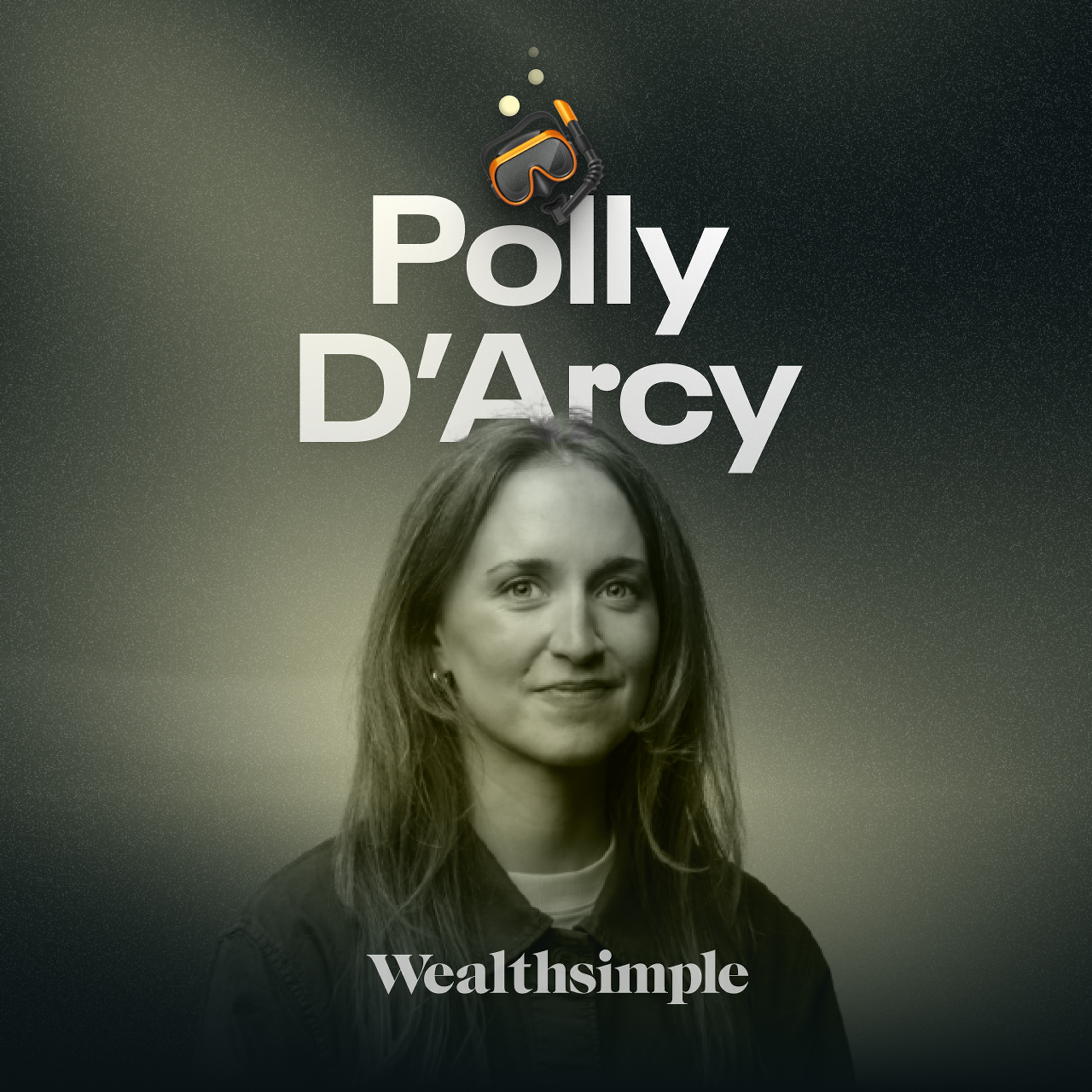
A key piece of leadership advice Polly D'Arcy received from Wealthsimple's CPO was to only hire people she would want to work for. This simple heuristic ensures a high bar for talent, autonomy, and trust, forcing you to build a team of people you genuinely respect.
Dalio inverts the typical hiring rubric, prioritizing values first, then innate abilities (like curiosity and adaptability), and skills last. He argues skills are least important because they can become obsolete, whereas the right values and abilities allow a person to adapt, learn, and grow indefinitely.
