Get your free personalized podcast brief
We scan new podcasts and send you the top 5 insights daily.
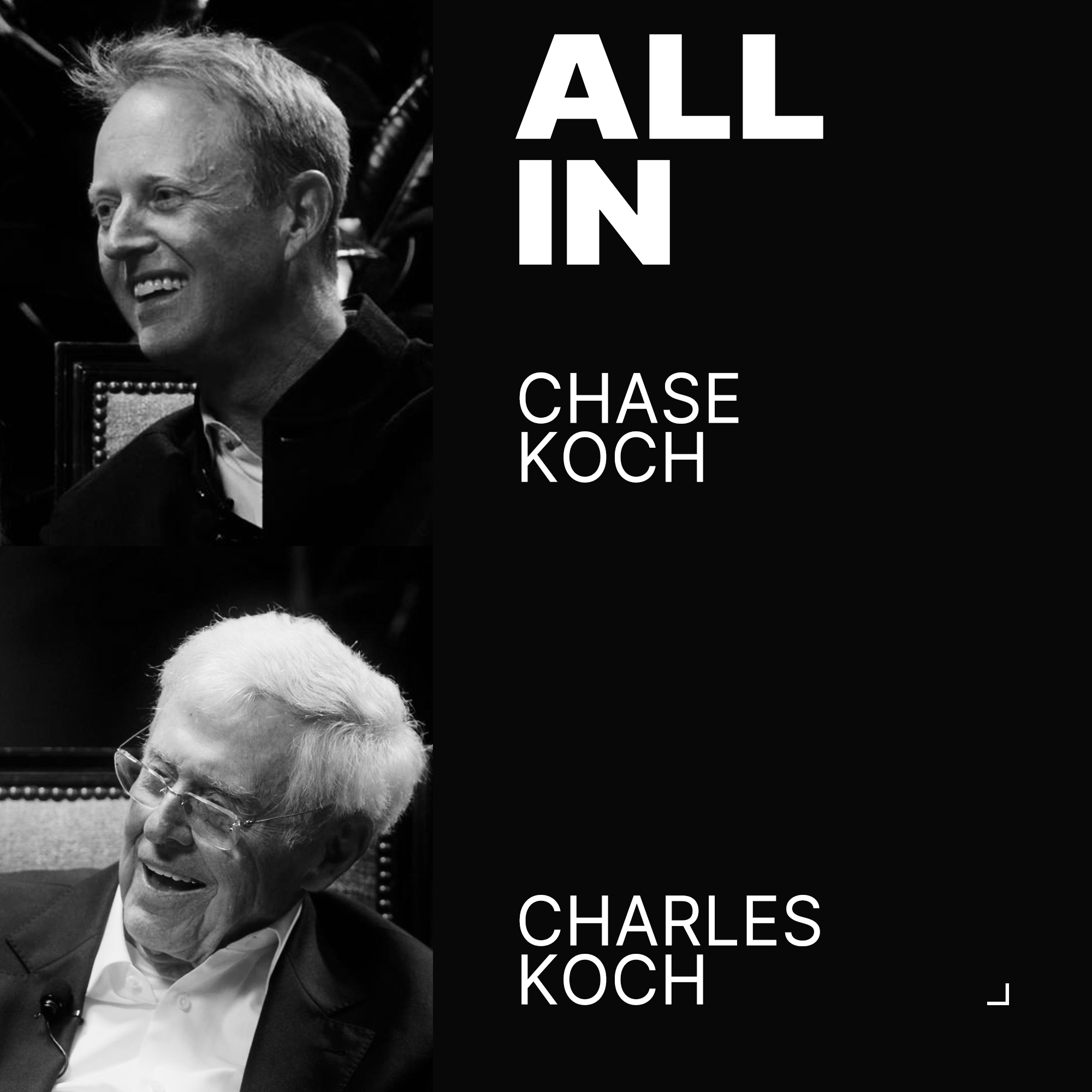
Charles Koch attributes the company's near-bankruptcy events to hiring talented people with poor values. The core principle became hiring first for values, even suggesting it's better to hire someone "slow and stupid" with good values than a talented person with bad ones, who can cause immense damage.
Related Insights
The common fear of overpaying for top talent is misplaced. No company fails because it paid its extraordinary performers too much. The true path to financial ruin is overpaying average or mediocre employees, as this creates a bloated, unproductive cost structure that kills the business.

A frequent hiring error is choosing candidates because you believe they possess "magical knowledge" from their specific background that will solve all problems. These hires often fail by rigidly applying an old playbook. Prioritize adaptable, curious problem-solvers over those with seemingly perfect but ultimately static domain expertise.
Koch prioritizes a candidate's values and skills far above their formal credentials. This is exemplified by their current CIO, who has no college degree and started his career by striping lines in the company parking lot, but demonstrated a contribution-motivated mindset and exceptional capability.
By staying in Wichita, Kansas, Koch avoids the "monoculture" and groupthink of hubs like Silicon Valley. This allows them to hire a "farm team" of talent—people who grew up with a strong work ethic and a "contribution motivated mindset" rather than an "entitlement mindset."
A decision is only a true test of values when it costs something. When Basecamp banned politics at work, they lost 20-30% of their staff and faced backlash. By sticking to their personal values, they attracted aligned talent and built a stronger company long-term.

After making arguably the "worst hire in human history," the speaker was forced to dismantle his naive hiring approach. He rebuilt it from first principles, focusing on writing and intrinsic motivation. This new, rigorous process became the foundation for building his next company's extraordinary team.

There are few universally ideal values beyond basic table stakes like integrity. The effectiveness of a value is highly context-dependent. For example, a value of slow, careful consensus-building is critical in a nuclear facility but would cripple a fast-moving ad agency that requires decisiveness.
Ather's founder learned that hiring senior leaders for non-core functions too early fails due to value system clashes. Founders must first build the function themselves, establish principles, hire into that mold, and only then step back. This ensures cultural alignment.

Chang reflects that his past hiring errors came from over-weighting raw intelligence and under-weighting whether a candidate 'deeply cares' about the mission. He now prioritizes finding people who will stay up late to fix a bug because they are personally invested, not because they are told to.

When making a key hire, founders face a choice: hire a seasoned operator who can scale fast but may compromise brand integrity, or hire a passionate "apprentice" who will protect the brand's soul but has a steeper learning curve. This choice defines the company's future.
