Get your free personalized podcast brief
We scan new podcasts and send you the top 5 insights daily.
The public's immediate assumption that Senator Mitch McConnell's "proof of life" photo is AI-generated is not just about fringe conspiracy. It reflects a deep, mainstream erosion of trust in political institutions, where the default assumption is deception, not transparency.

Related Insights
The current crisis of faith in society isn't new; people have always known individuals can be corrupt. What has changed is the demonstrable proof that core institutions—government, media, etc.—are systemically incompetent and corrupt. This breakdown erodes the foundational ideologies, like democracy, that these institutions were meant to uphold.
Adam Mosseri’s public statement that we can no longer assume photos or videos are real marks a pivotal shift. He suggests moving from a default of trust to a default of skepticism, effectively admitting platforms have lost the war on deepfakes and placing the burden of verification on users.
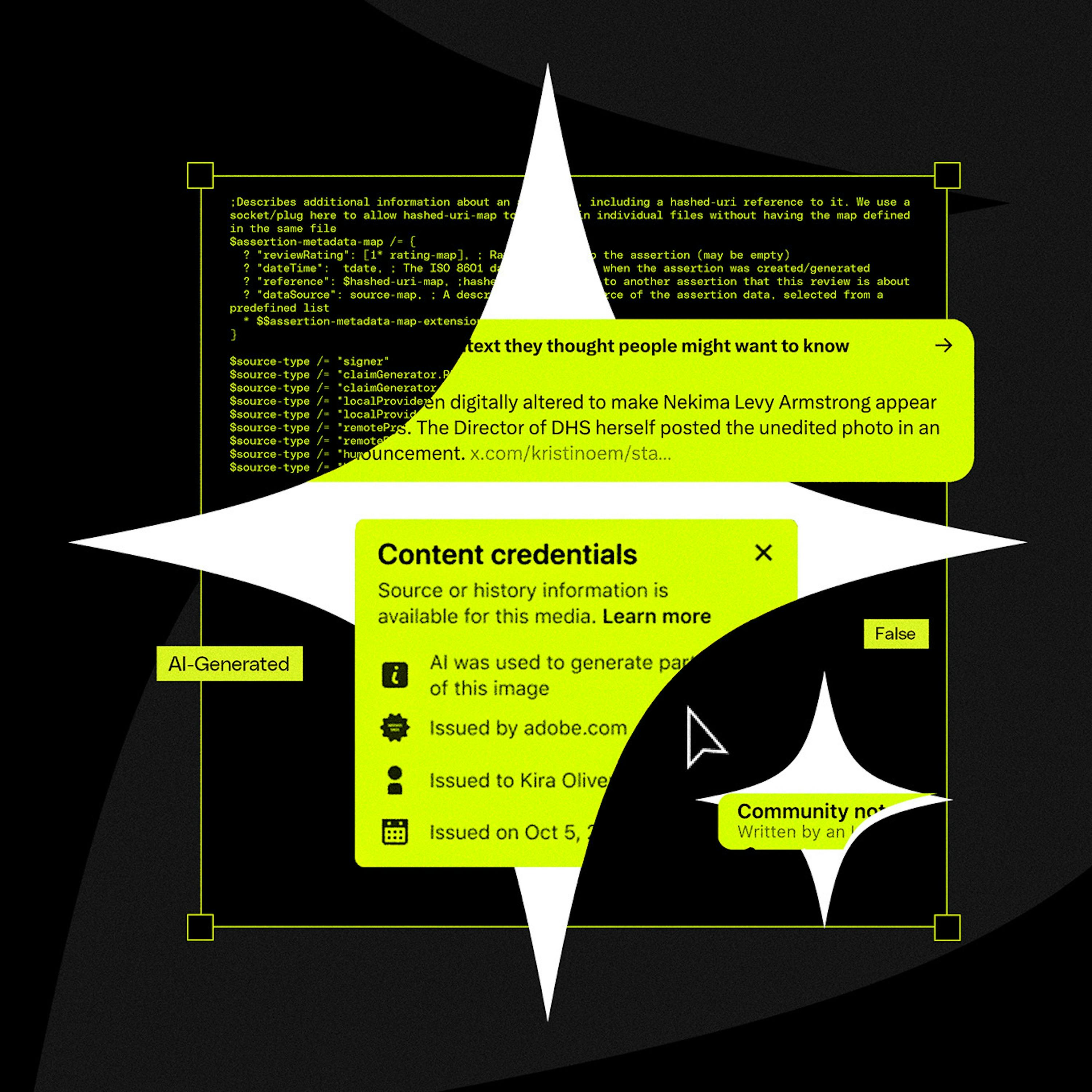
The modern information landscape is saturated with AI-generated propaganda from all sides. It is no longer sufficient to be skeptical of foreign adversaries; one must actively question and verify information from domestic governments as well, as all parties use these tools to shape narratives.

The political anxiety around AI stems from leaders' recent experience with social media, which acted as an "authority destroyer." Social media eroded the credibility of established institutions and public narrative control. Leaders now view AI through this lens, fearing a repeat of this power shift.

The modern media ecosystem is defined by the decomposition of truth. From AI-generated fake images to conspiracy theories blending real and fake documents on X, people are becoming accustomed to an environment where discerning absolute reality is difficult and are willing to live with that ambiguity.

Beyond generating fake content, AI exacerbates public skepticism towards all information, even from established sources. This erodes the common factual basis on which society operates, making it harder for democracies to function as people can't even agree on the basic building blocks of information.
Unlike the early internet era led by new faces, the AI revolution is being pushed by the same leaders who oversaw social media's societal failures. This history of broken promises and eroded trust means the public is inherently skeptical of their new, grand claims about AI.

As AI makes creating complex visuals trivial, audiences will become skeptical of content like surrealist photos or polished B-roll. They will increasingly assume it is AI-generated rather than the result of human skill, leading to lower trust and engagement.

When trust in institutions is eroded, conspiracy theories with strong internal logic—like a staged assassination attempt to justify a new White House ballroom—become difficult to dismiss. The inability to immediately rule out such coordination highlights a dangerous level of societal distrust.

The online frenzy over Netanyahu's supposed death was fueled by trivial details like a crease in his palm looking like a sixth finger. In an age where AI makes the public doubt reality, even easily debunked visual artifacts can spiral into massive conspiracy theories.