Get your free personalized podcast brief
We scan new podcasts and send you the top 5 insights daily.
In a populist era, your reaction to negative news about your own "team" reveals your moral standing. If your first instinct is to discredit the person who discovered fraud rather than address the fraud itself, you have succumbed to tribalism over principle.

Related Insights
Society is so desperate for sanity from political extremists that it's tempting to praise them for a single rational stance, like MTG on the Epstein files. This is dangerous because it whitewashes a long history of destructive behavior. The true problem is the ecosystem of enablers that allows such figures to gain power in the first place.

The most significant threat to a political ideology comes not from the opposing party, but from the 'lunatics' on its own side. These extreme factions can make the entire group appear foolish and unreasonable, doing more damage to their credibility than any opponent ever could.
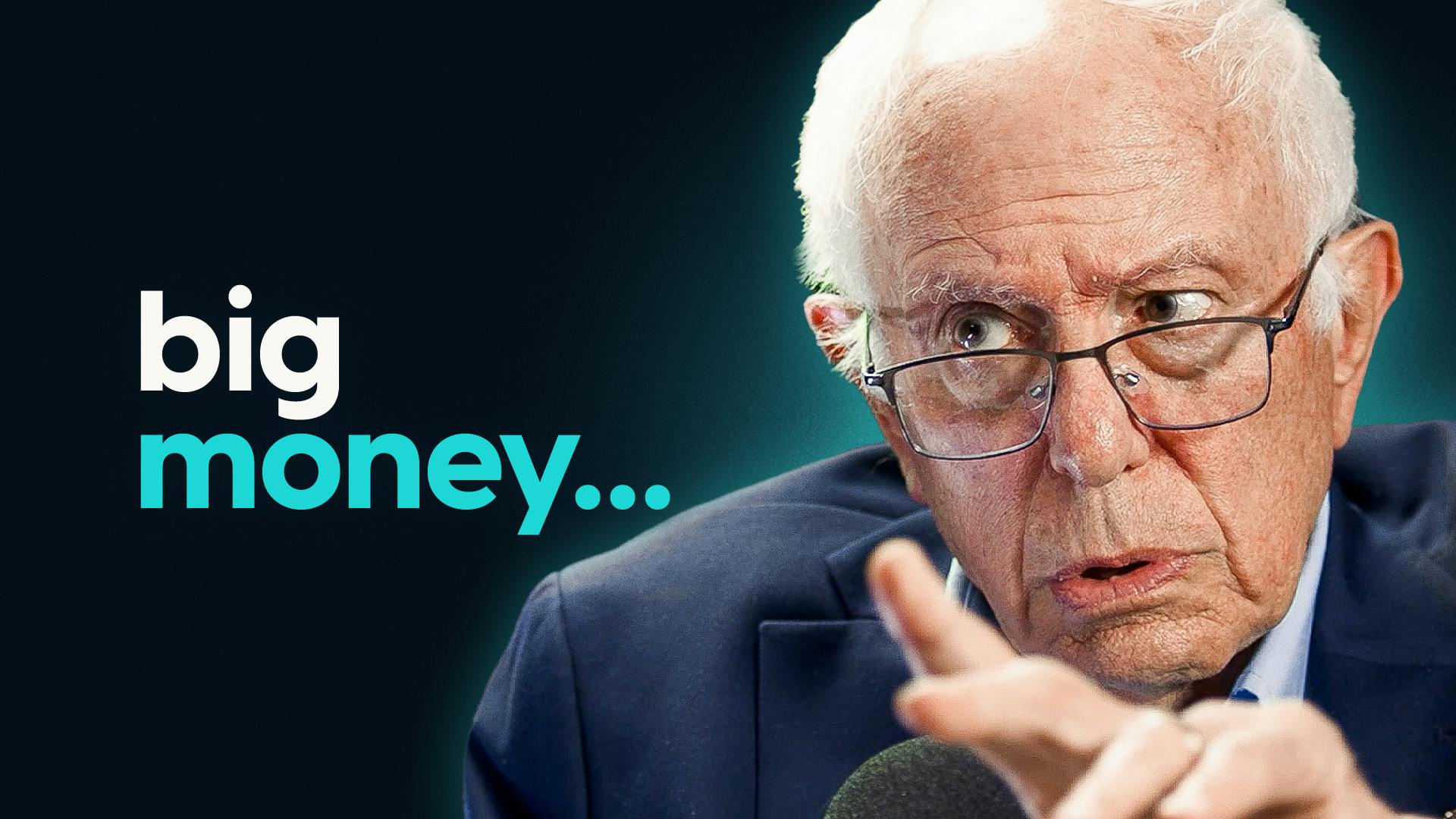
People are more infuriated by hypocrisy than by open corruption. Because a figure like Trump doesn't pretend to adhere to any ethical norms, he can't be accused of being a hypocrite. This blatant shamelessness acts as a shield, making traditional attacks based on norm violations ineffective.
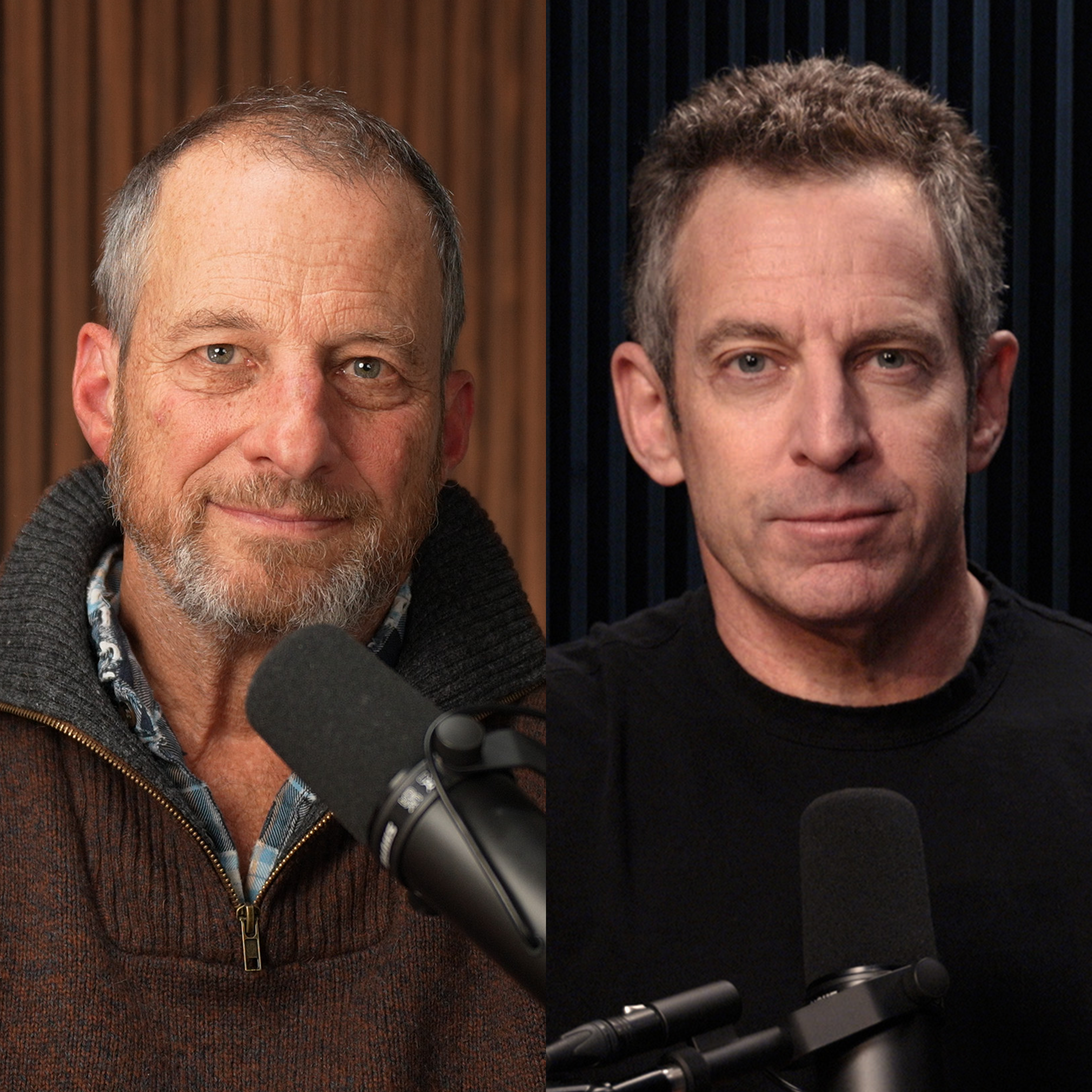
When Nick Shirley's video on the Minnesota fraud went viral, mainstream media outlets reportedly focused on investigating and discrediting him as a "MAGA YouTuber." This reaction highlights a defensive rivalry, where legacy media perceives successful independent journalists as a threat to their own relevance and viewership.

Political parties now adopt positions primarily to oppose their rivals, rather than from consistent principles. This is seen in the multiple reversals on COVID-19 policies and vaccines. When beliefs flip-flop based on the opponent's stance, the driving force is tribalism, not ideology.

Political parties socialize well-intentioned individuals into a system of professionalized groupthink. The pressures of party loyalty, gaining power, and maintaining a united front lead politicians to engage in acts they would consider immoral on their own, such as lying or supporting policies they disagree with. This habitualized behavior is a core flaw of party politics.

Focusing on which political side is "crazier" misses the point. The fundamental danger is the psychological process of tribalism itself. It simplifies complex issues into "us vs. them," impairs rational thought, and inevitably leads to extremism on all sides.

In times of economic inequality, people are psychologically driven to vote for policies that punish a perceived enemy—like the wealthy or immigrants—rather than those that directly aid the poor. This powerful emotional desire for anger and a villain fuels populist leaders.
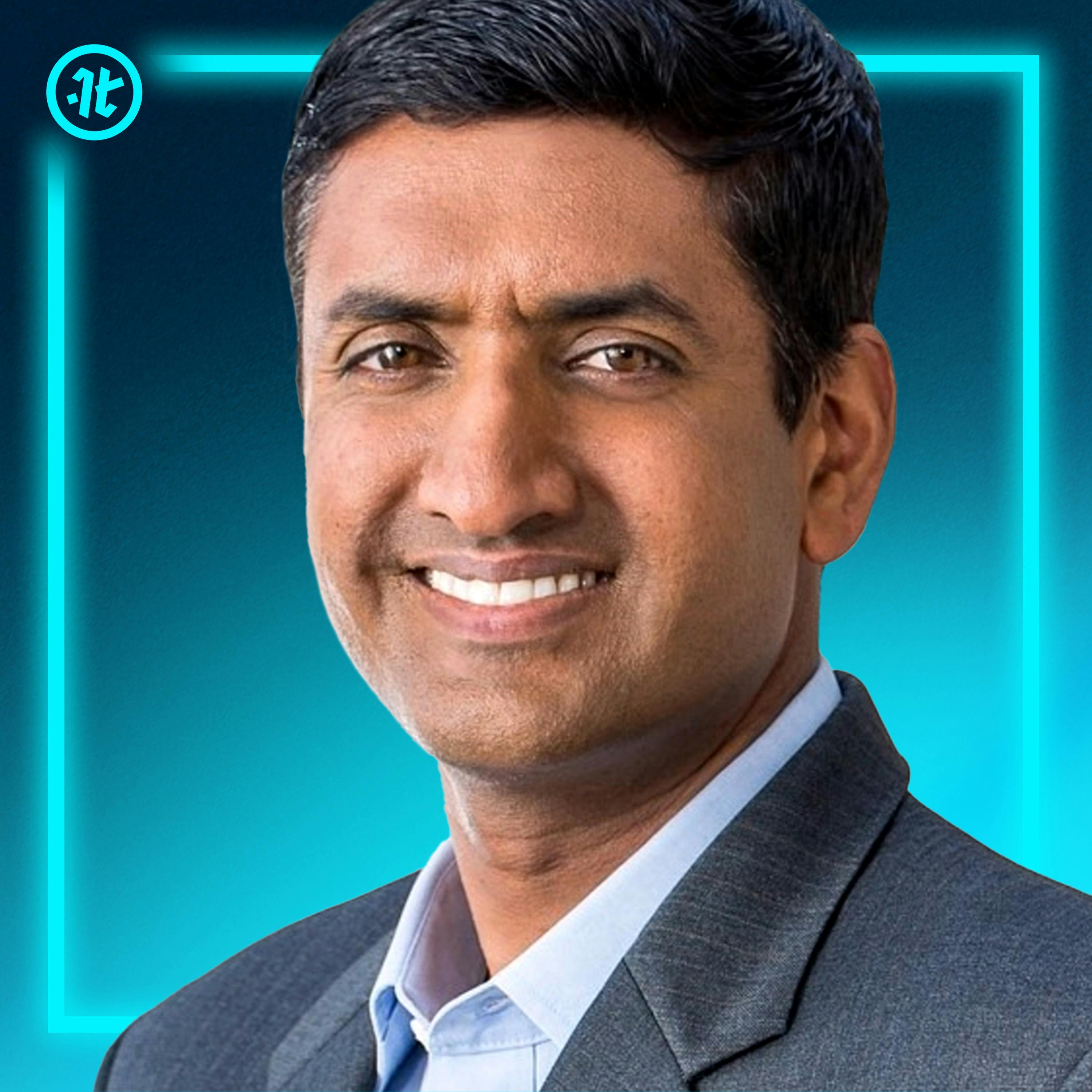
The psychological engine of populism is the zero-sum fallacy. It frames every issue—trade deficits, immigration, university admissions—as a win-lose scenario. This narrative, where one group's success must come at another's expense, fosters the protectionist and resentful attitudes that populist leaders exploit.
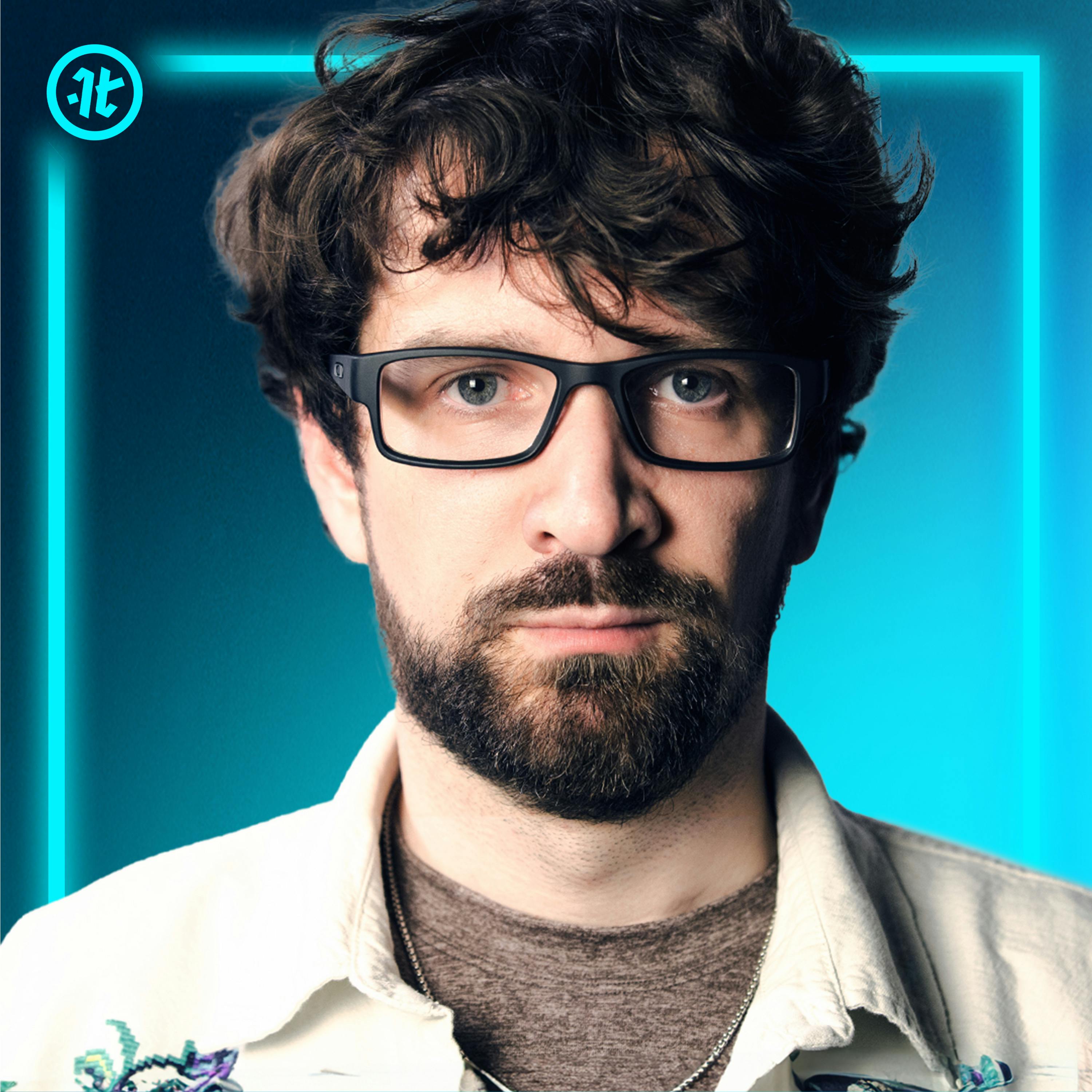
Understanding political behavior is simplified by recognizing the primary objective is not ideology but accumulating and holding power. Actions that seem hypocritical are often rational calculations toward this singular goal, including telling 'horrific lies.'