Get your free personalized podcast brief
We scan new podcasts and send you the top 5 insights daily.
Dylan Field argues that as AI makes code a commodity, the value is moving up the stack to design. He foresees a future where development becomes "design-driven"—software is defined at the design layer first, and then implementation details are generated from that specification.

Related Insights
AI-powered "vibe coding" is reversing the design workflow. Instead of starting in Figma, designers now build functional prototypes directly with code-generating tools. Figma has shifted from being the first step (exploration) to the last step (fine-tuning the final 20% of pixel-perfect details).

Historically, design workflows moved from low-to-high fidelity due to tool constraints. AI tools like Codex remove these barriers, allowing designers to begin with functional wireframes in code for immediate interaction testing, bypassing static sketches.

AI makes iterating in code as inexpensive as sketching in design tools. This allows teams to skip low-fidelity wireframes and start with functional prototypes, blowing up traditional, linear development processes and reinventing workflows daily.

As AI accelerates software development, basic functionality becomes table stakes. Figma's CEO contends that differentiation and winning now depend entirely on design, craft, and a strong point of view, as 'good enough' products will no longer succeed.
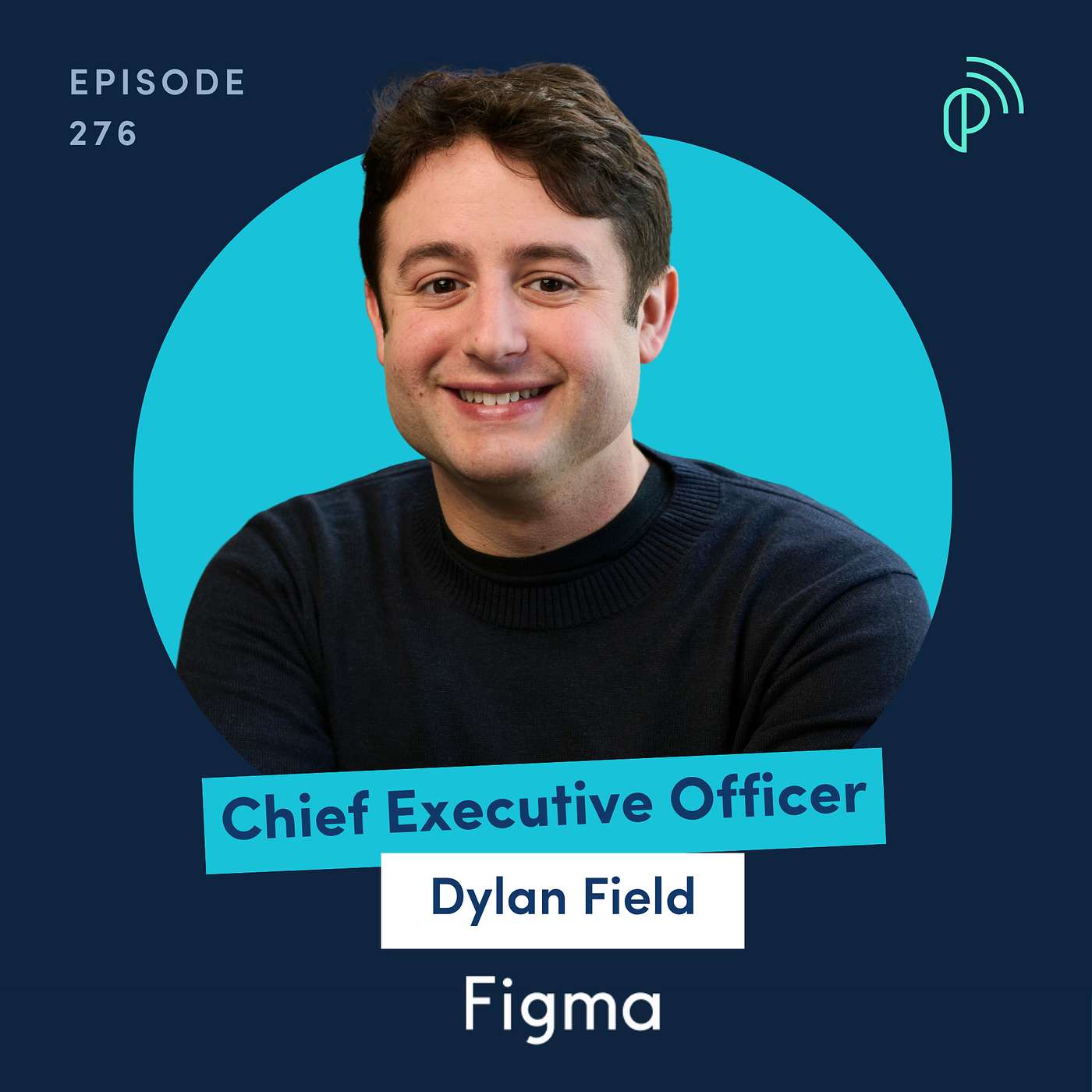
AI co-pilots have accelerated engineering velocity to the point where traditional design-led workflows are now the slowest part of product development. In response, some agile teams are flipping the process, having engineers build a functional prototype first and then creating formal Figma designs and UI polish later.

As AI makes the act of writing code a commodity, the primary challenge is no longer execution but discovery. The most valuable work becomes prototyping and exploring to determine *what* should be built, increasing the strategic importance of the design function.

Figma's CEO believes AI will create the "10X designer." As AI automates basic design tasks, making "good enough" the new baseline, the premium on true craft and system-level thinking will skyrocket. Designers who can leverage AI to execute a holistic product vision will become indispensable leaders and key drivers of a company's success.

Dylan Field envisions a future where design tools are so integrated into development that designers can issue pull requests directly to production from a visual canvas. This blurs the line between design artifacts and production code, making design the primary language of creation.

Dylan Field believes the design industry has settled into a visual rut, with most tech companies adopting similar aesthetics. He's hopeful that AI will usher in a 'Renaissance period' by dramatically lowering the barrier to creating diverse visual styles and interaction paradigms, leading to more interesting and expressive digital experiences.
Figma's CEO argues that while agentic coding systems are powerful, they risk being too linear. True product innovation requires exploring a wide option space through design, using systems and components to ensure a cohesive user journey. Relying solely on code generation can lead to a suboptimal product, even if it's built quickly.