Get your free personalized podcast brief
We scan new podcasts and send you the top 5 insights daily.
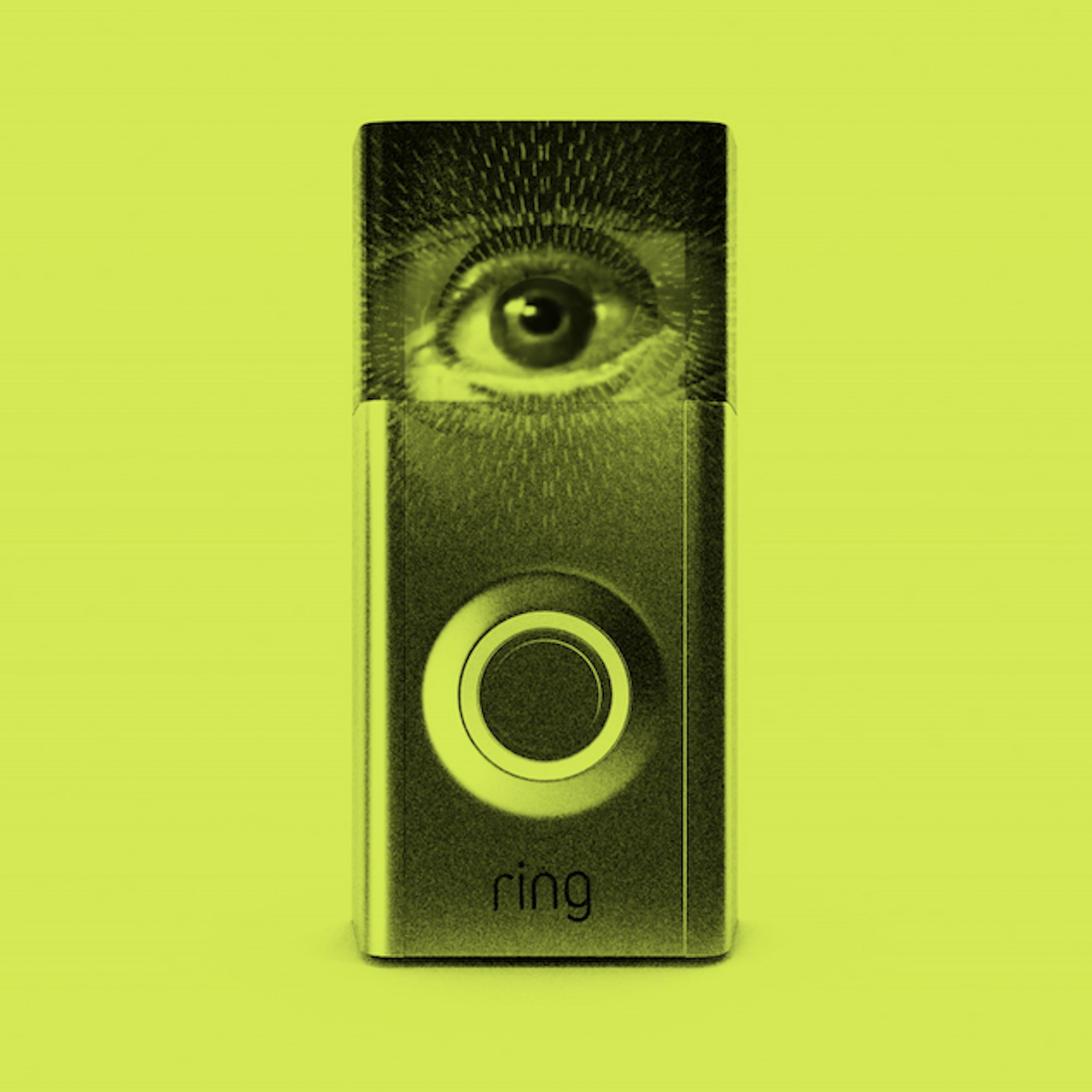
Ring's Super Bowl ad, intended to be a heartwarming story about finding a lost puppy, was interpreted as a promotion for a mass surveillance network. This PR crisis highlights the need for brands to proactively identify and address potential negative perceptions before launching a campaign.

Related Insights
Companies increasingly debut their Super Bowl commercials online a week early not just for hype, but as a crucial risk management tactic. By monitoring social media comments and public sentiment, brands can gauge reactions and pull an ad if it's unexpectedly controversial, preventing a potential PR disaster and protecting their massive investment.
The proliferation of AI-generated content has eroded consumer trust to a new low. People increasingly assume that what they see is not real, creating a significant hurdle for authentic brands that must now work harder than ever to prove their genuineness and cut through the skepticism.

Advertising is "polysemic," meaning its short, visual nature invites multiple, often contradictory, interpretations. When facing backlash (like American Eagle's ad being called racist), brands should defer to the "authorial intent." Respecting all interpretations doesn't mean capitulating to a minority view that misreads the intended message.

Marketing campaigns, even if planned months in advance, can fail due to unforeseen world events. Integrating PR teams, who constantly monitor public sentiment and the news cycle, into the final approval process can prevent tone-deaf launches like Zara's ill-timed campaign.

Ring's Super Bowl ad framed its AI surveillance as a benign tool to find lost dogs. Critics and the public immediately saw this as a way to normalize and develop powerful technology that could easily be used to track people, revealing how a harmless use-case can mask more controversial long-term capabilities.
OpenAI's previous dismissal of advertising as a "last resort" and denials of testing ads created a trust deficit. When the ad announcement came, it was seen as a reversal, making the company's messaging appear either deceptive or naive, undermining user confidence in its stated principles of transparency.

By framing its competitor's potential ads as a "betrayal," Anthropic's Super Bowl campaign reinforced the public's negative perception of AI as another manipulative tech scheme. This damaged the industry's overall reputation in a country already highly skeptical of the technology, turning the attack into friendly fire.
According to a poll measuring public trust by profession, advertisers are perceived as even less trustworthy than politicians, who ranked second from bottom. This highlights a significant and damning reputation problem for the entire marketing industry.
Effective social media teams can spot "the hordes forming at the social gate" and neutralize a controversy before it explodes. By having a pre-planned response and acting quickly, a brand can de-escalate a situation, making potentially major crises completely invisible to the public and press.

The backlash against J.Crew's AI ad wasn't about the technology, but the lack of transparency. Customers fear manipulation and disenfranchisement. To maintain trust, brands must be explicit when using AI, framing it as a tool that serves human creativity, not a replacement that erodes trust.