Get your free personalized podcast brief
We scan new podcasts and send you the top 5 insights daily.
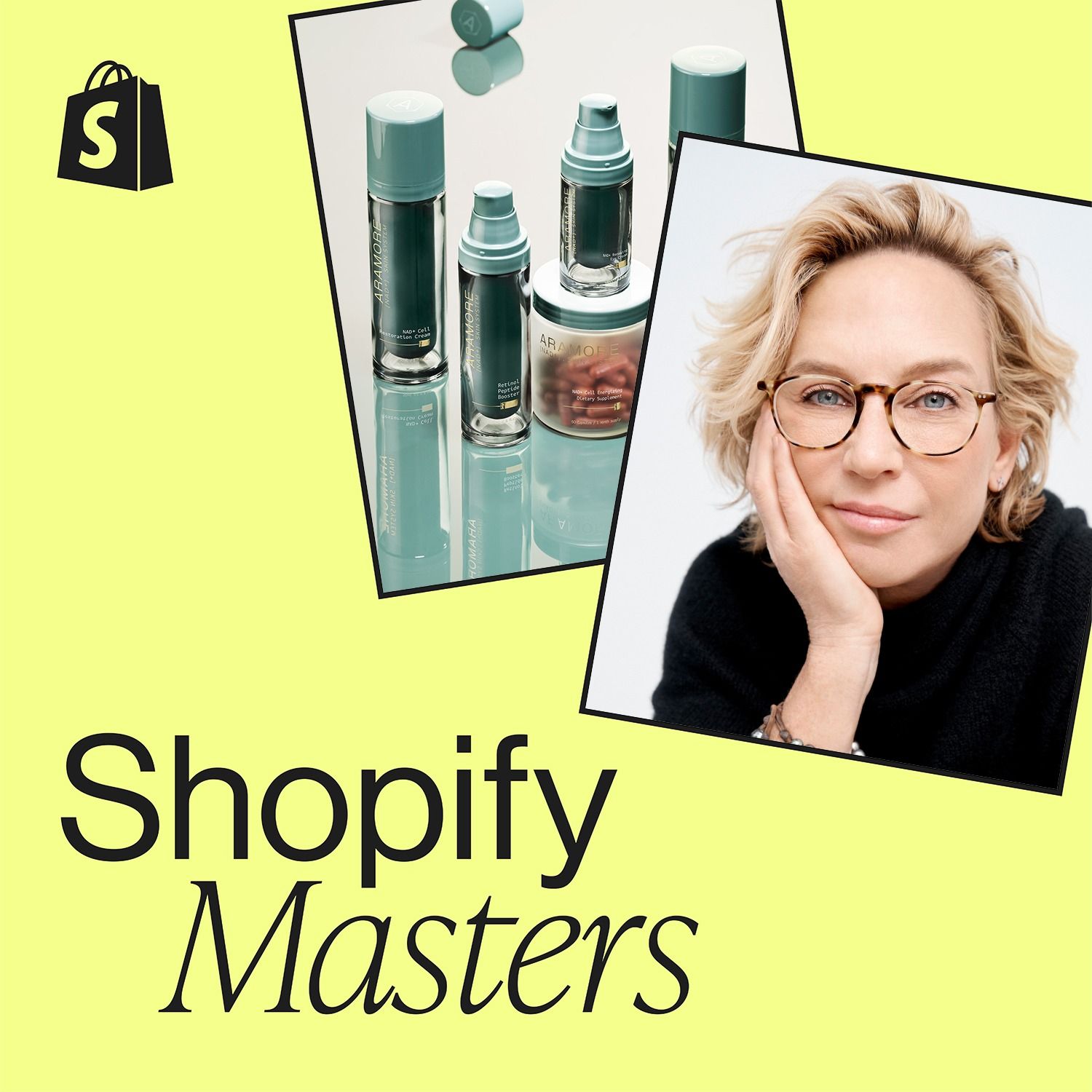
The skincare brand consciously avoids the high-traffic search term "anti-aging" because it promotes a negative, fear-based view of a natural process. Instead, they position their product around health and longevity, encouraging customers to "lean into aging" gracefully, even if it hurts short-term discoverability.
Related Insights
Way disrupted the haircare market by rejecting the industry norm of scientific, ingredient-focused marketing. Instead, they adopted a relatable, humorous tone that addressed the emotional reasons for a purchase, speaking to customers like a friend rather than a lab coat, which created a powerful brand connection.
A polar travel company debated using the word "cruise"—great for SEO but disliked by its target audience. The advice was to A/B test ad campaigns with different names (e.g., "cruises" vs. "expeditions") to get data on what resonates, resolving the internal debate.

Aramore leverages Reddit's authentic community by providing free products to active users for 28-day trials. This strategy generates unbiased, trustworthy feedback and user-generated proof, moving away from the skepticism surrounding paid influencer marketing. It requires high confidence in the product's efficacy.
Brand strategy doesn't deliver immediate returns. Frame it like SEO: a long-term investment that adds incremental value over time through consistent execution. This mindset helps justify the effort against short-term performance marketing wins and prevents premature abandonment of crucial brand-building work.

Brands must now focus on how LLMs perceive and represent them, not just on traditional SEO. This new discipline, "GEO" or "LLM Visibility," involves managing the public web data that AI agents consume to answer user queries about brands, products, and competitors.
In the early days, Synthesia and peers decided "Generative AI" sounded too geeky and collectively chose to brand the space as "Synthetic Media." They later regretted this as "Generative AI" became the dominant term, costing them significant SEO advantages and brand association built over four years.

As users turn to LLMs for answers, brand visibility depends less on optimizing owned web content. The focus must shift to nurturing the community and third-party content (e.g., Reddit, forums) that AI models are trained on. What customers say about you is the new SEO.

As AI-generated content becomes commoditized, brands can differentiate by pledging authenticity. American Eagle's viral anti-AI post shows that a "digitally organic" approach—committing to real, un-retouched, human-centric content—resonates with consumers in the same way the organic food movement created a premium category for natural products.

To reach consumers not yet concerned with aging, Lancer Skincare avoids direct anti-aging messaging. Instead, its strategy is to educate on preventative measures, such as the universal need for daily SPF. This frames the product as a tool for long-term health, making it relevant to a younger audience.

AG1 strategically evolved from an athlete-focused product to a science-backed wellness brand. Dropping "Athletic" from the name was a key decision to broaden its appeal and shift the narrative from a founder's tool to a consumer's daily ritual, making the customer the hero.