Get your free personalized podcast brief
We scan new podcasts and send you the top 5 insights daily.
Leopold Aschenbrenner's hyped 13F filing highlights a common retail investor mistake. These reports are outdated (months old) and omit crucial details like short positions, option strike prices, and hedges. Treating them as a playbook for current market conditions is a recipe for burning money.

Related Insights
Leopold Aschenbrenner's 13F filing generated massive buzz, but such documents are a snapshot from months prior. They exclude crucial details like shorts, options strikes, and hedges, making them a dangerously misleading guide for copy-trading.

Financial reports on AI labs, like a recent Wall Street Journal story on OpenAI, are misleading because they rely on lagging data. The industry's rapid shift to an 'agentic' era, where user behavior changes quickly with new model releases, means historical performance no longer predicts future results, leading to flawed market reactions.

Hedge funds have a constant, daily need to make informed buy, sell, or hold decisions, creating a clear business problem that data solves. Corporations often lack this frequent, high-stakes decision-making cycle, making the value proposition of external data less immediate and harder to justify.

Headlines about Peter Thiel selling his tech holdings are based on 13F filings from his small, $75 million Thiel Macro fund, not his $20 billion personal fortune. This highlights a common market misinterpretation where the trading activity of a small, actively managed fund is incorrectly amplified as a major sentiment shift from the principal investor himself.

Institutions, led by hedge funds, were net sellers of Bitcoin ETFs in Q4. However, 13F reports can be misleading because they only disclose long positions, meaning large holdings by firms like Jane Street are likely part of a hedged, delta-neutral strategy, not a bullish bet.

Effective hedge fund replication does not try to mimic individual positions (e.g., who owns NVIDIA). Instead, it focuses on identifying and synthesizing the industry's major thematic trades, such as shifts in geographic equity exposure or broad hedges on inflation. These "big trades" are the primary drivers of performance, not the specific securities.

Instead of hiring dozens of PhDs to analyze clinical trials, a quantitative firm can use the 13F filings of top specialist biotech hedge funds as a proxy for deep domain expertise. This "approved list" from experts can be modeled as a quantitative factor that has been shown to outperform.

The modern market is driven by short-term incentives, with hedge funds and pod shops trading based on quarterly estimates. This creates volatility and mispricing. An investor who can withstand short-term underperformance and maintain a multi-year view can exploit these structural inefficiencies.

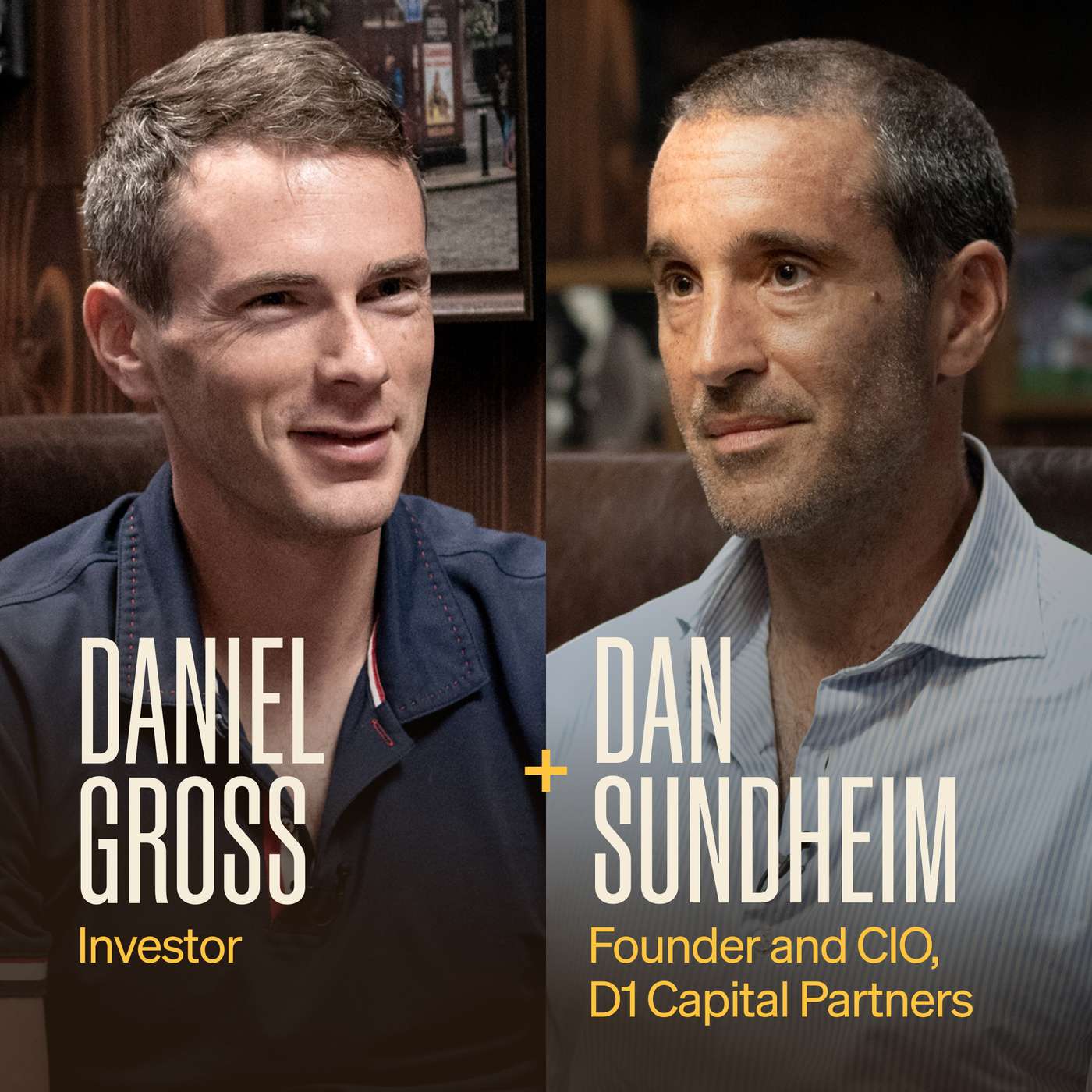
Dan Sundheim argues that while retail-driven markets create more shorting opportunities, the risk of a coordinated squeeze makes concentrated shorts too dangerous. The modern strategy is to hold a much more diversified portfolio of smaller short positions to survive extreme, irrational price moves that can 10x or 20x.
Accessing daily trading data reveals how managers react under pressure, their true risk tolerance, and decision-making quality—insights impossible to glean from traditional monthly snapshots which hide significant intramonth volatility.
