Get your free personalized podcast brief
We scan new podcasts and send you the top 5 insights daily.
Eli Pariser, who helped pioneer mass digital politics with Move On, now reflects that the nationalization of political attention was 'not net good.' He argues that shifting focus from impactful local issues towards a national conversation that individuals cannot influence was a mistake.

Related Insights
The political strategy of appealing to the base during a primary and then moderating for the general election is increasingly difficult. In the age of social media, any hardline statements made to win the primary can be instantly resurfaced and weaponized by opponents, alienating centrist voters.

Social media's algorithms are a key threat to political movements. They are designed to find the 10% of issues on which allies disagree and amplify that discord. This manufactured infighting turns potential collaborators into enemies, fracturing coalitions and undermining collective action.

Modern populists gain influence by creating organic content that captures algorithmic attention, effectively turning a small campaign budget into disproportionate reach. This bottom-up strategy bypasses traditional, money-driven political machines by treating social attention as the primary currency, not dollars.

Scott Galloway's "Resist and Unsubscribe" website traffic was declining until he appeared on traditional media outlets. This drove a significant resurgence in visitors, proving legacy media is crucial for amplifying and sustaining digital-native protest movements.
Bradley Tusk, known for his work with Uber, advises startups to focus their regulatory efforts on state and local governments. He argues that achieving federal-level change is akin to a miracle. In contrast, states offer 50 different opportunities to pass favorable legislation, establish precedent, and build momentum for broader change.

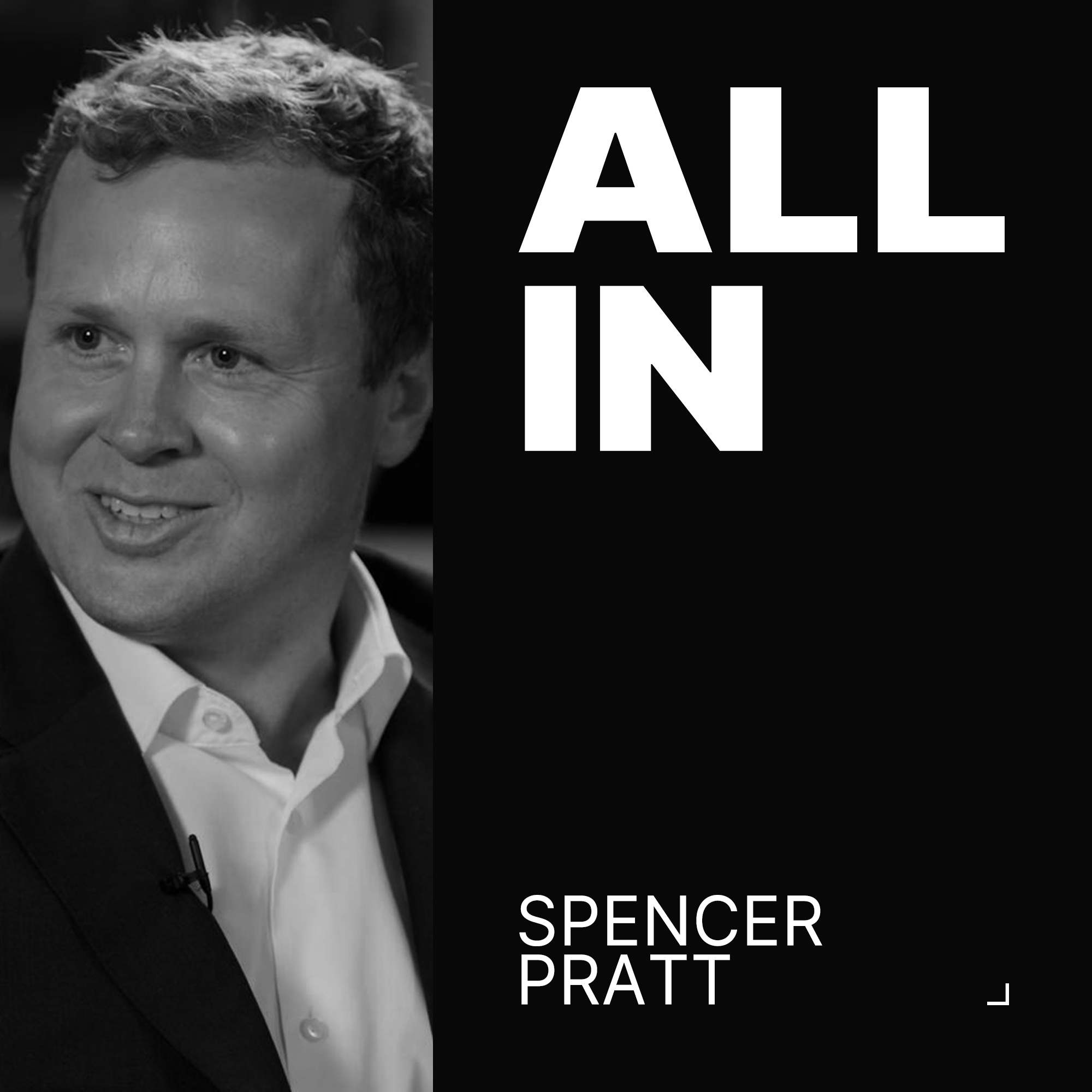
Spencer Pratt's campaign gained massive traction not from his official ads, but from viral, emotionally-charged content created by unaffiliated supporters. This demonstrates that in modern politics, a genuine grassroots movement can cut through noise more effectively than a polished, top-down campaign.
Work Money's founder avoids direct political lobbying, instead focusing on building market, constituent, and audience power. She believes politics is the *outcome* of shifts in these other areas, making them more effective primary levers for creating lasting, systemic change.

The current political discourse is dysfunctional because content creators cater to the 5% of the public responsible for most social media consumption. This hyper-engaged audience tends to be more anxious and neurotic, incentivizing negative content over the positive, pragmatic messages that persuasion-oriented polling shows are more effective with the general population.

America's historical Western frontier served as a societal escape valve, allowing people to opt out and build anew. For a time, the open internet served a similar function. As the digital frontier is increasingly regulated and controlled, that pressure may build and fuel political discontent.
Expecting top-down change from political party leadership is a flawed strategy. True societal transformation starts with grassroots movements and shifts in public sentiment. Political parties are reactive entities that eventually adopt agendas forced upon them by the people they seek to represent, making them followers, not initiators, of change.
