Get your free personalized podcast brief
We scan new podcasts and send you the top 5 insights daily.
When acquiring Base44 for $80M, the Wix board's discussion was surprisingly easy. They focused on the strategic business logic, marketing plan, and team-building strategy rather than getting stuck on the fact it was a one-person company. This reflects a board that prioritizes strategic vision over optics.

Related Insights
To maintain accountability with minimal HQ staff, the individual who sources and negotiates a deal remains on the acquired company's board. This eliminates problematic "handovers" to an operations team and ensures the dealmaker has long-term skin in the game, fostering alignment.

In the commoditized AI tool space, Base44's founder cited distribution as the main reason for selling to Wix. With 300 million registered users, Wix can cross-promote the AI tool at a scale that standalone, cash-burning competitors cannot match, making distribution the real moat.

Canva avoids a delegated M&A team. The COO personally sponsors acquisitions, focusing on the acquired founder's motivations and cultural fit—often assessed over a drink. This deeply personal approach ensures the founder's vision aligns with Canva's distribution power, leading to successful integrations and high founder retention.

Smaller companies can win acquisitions even when outbid by larger competitors by championing a collaborative integration. This involves a willingness to learn from and adopt the target company's superior processes, rather than simply imposing the acquirer's own systems, which appeals to founders who value their legacy.

Nominal's M&A strategy prioritizes acquiring founders for their market intelligence, not just their tech or team. The goal is to absorb the deep knowledge gained from their years of customer engagement, even if their own ventures didn't scale. This customer insight is viewed as an invaluable asset.

Instead of seeking synergies by integrating acquired companies like Hailey Bieber's Rhode, Elf Beauty keeps the founder and their team in place. The goal is to provide resources like sales support and R&D to help the founder's original vision scale faster, avoiding common M&A pitfalls.

To justify a high acquisition multiple, a founder must prove the business can operate without them. A powerful tactic is showing an acquirer your calendar to demonstrate that a majority of key clients are managed by the team, not the founder. This de-risks the acquisition and proves the company has true enterprise value.

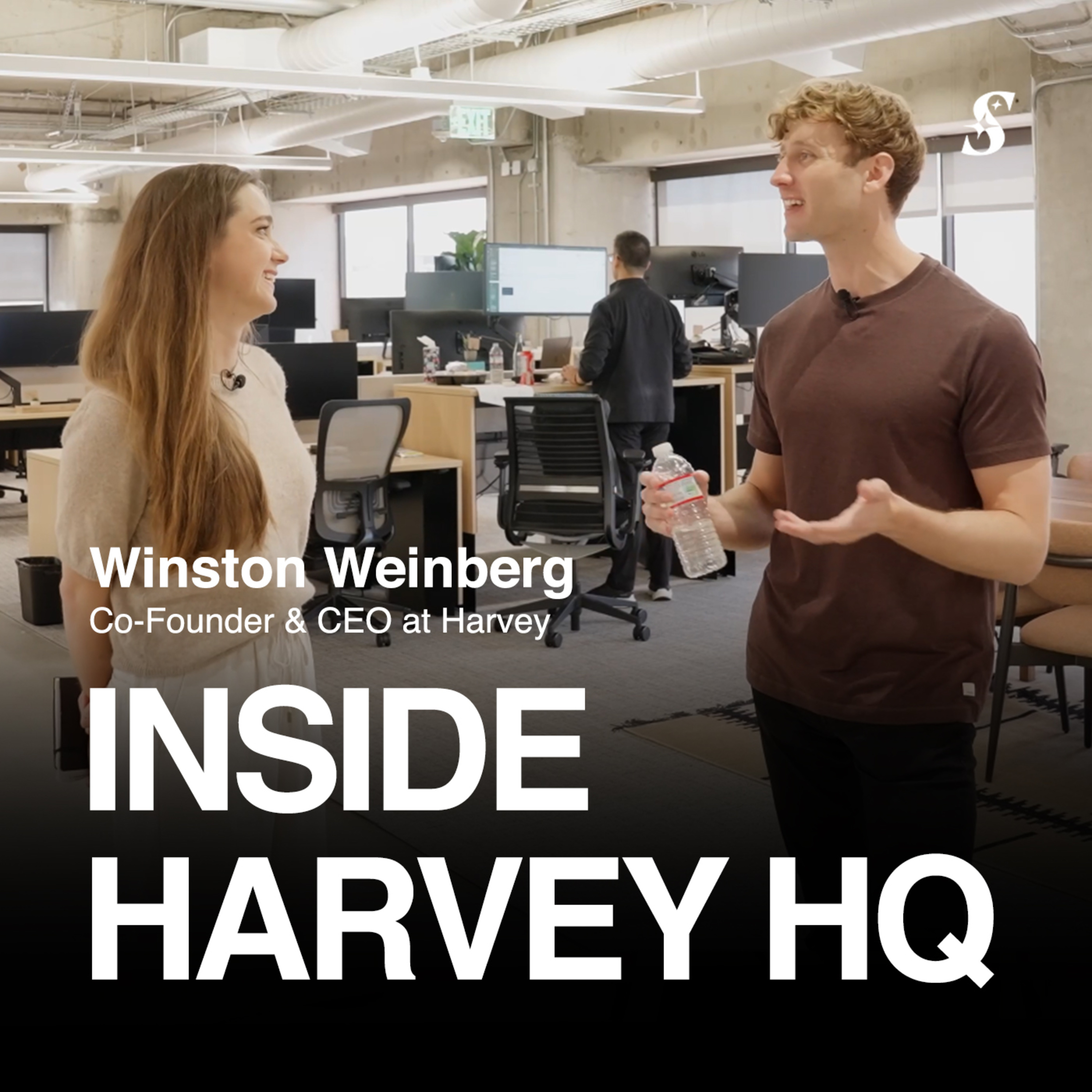
Harvey AI's M&A strategy prioritizes acquiring talented teams over buying existing tech, even from outside its industry. The rationale is that great talent can build new products much faster with modern AI tools, making the team the more valuable asset.
The Clapp acquisition began when Lemlist's CEO sent a random cold email to the founder. Despite competing against larger companies who bid more, Lemlist won the deal by focusing on product synergies and team fit, proving that a strong relationship and shared vision can be more valuable than the highest offer.

A key to M&A success is creating a founder-friendly environment. Avoid killing entrepreneurial spirit by forcing founders into a rigid matrix organization. Instead, maintain the structures that made them successful and accelerate them by providing resources from the parent company.