Get your free personalized podcast brief
We scan new podcasts and send you the top 5 insights daily.
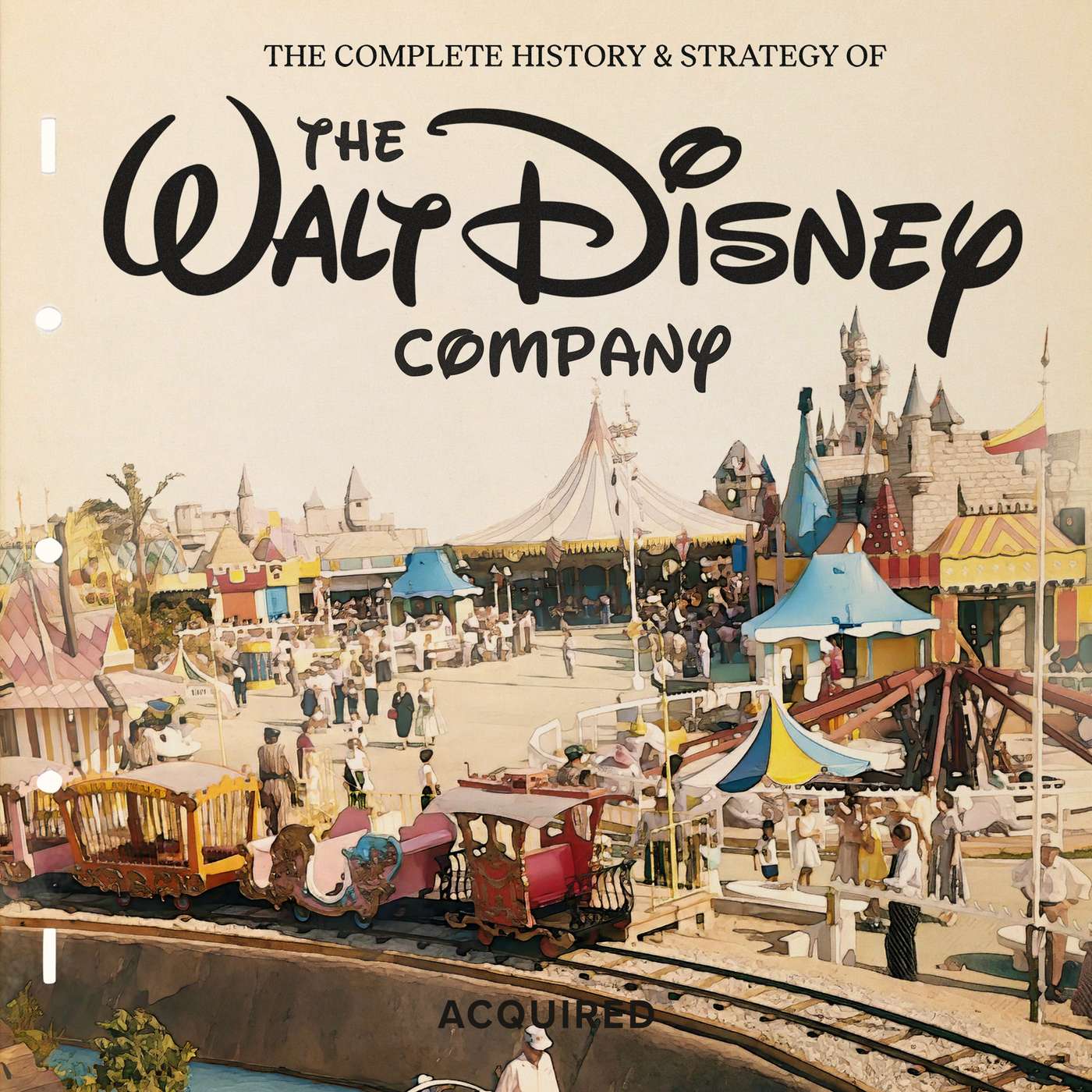
The predictable, massive cash flow from ESPN's cable affiliate fees became Disney's engine for strategic growth. This separate, non-core business provided the billions needed to acquire the IP giants of Pixar, Marvel, and Lucasfilm, effectively bankrolling the modern Disney empire.
Related Insights
To avoid giving up equity in Lucasfilm during his divorce, George Lucas needed cash and sold his computer graphics division. This group, bought by Steve Jobs, became Pixar. A pivotal moment in film history was triggered not by business strategy, but by a founder's personal financial need.
Publicly, companies frame spin-offs as a way to create focused businesses. In reality, it's often a strategic move to clean up an asset and make it a more palatable acquisition target. By shedding unwanted parts (like declining cable networks), the core asset (like a movie studio) becomes easier for a potential buyer to acquire.

Despite revenue and profit growth, Disney's market cap is stagnant over the past decade. This reflects Wall Street's realization that the structurally advantaged, high-margin world of cable bundles and theatrical releases has been replaced by the far more competitive, lower-margin business of streaming.
Despite strong performance in Parks and streaming, Disney's stock is flat because the market values the entire conglomerate based on its weakest segment: declining linear networks. Spinning off these "bad bank" assets would unlock the true value of the high-growth divisions.

The argument that Disney's market cap is less than its acquisition costs presents a flawed picture of value creation. This analysis fails to account for the approximately $70 billion returned to shareholders via dividends and buybacks over the same period. A true assessment of an M&A strategy's success must include capital returned, not just final enterprise value.
Steve Jobs deliberately took Pixar public one week after 'Toy Story's' blockbuster debut. The successful IPO provided the capital needed to demand a 50-50 co-production deal with Disney for future films, transforming their relationship from a work-for-hire vendor to an equal partner.
Upon taking over in 1984, Michael Eisner and Frank Wells immediately raised stagnant theme park prices. This generated high-margin, incremental cash flow which they used to fund the live-action film studio's revival, proving that pricing power in one division can fuel growth in another.
While other studios feared TV as a threat to theaters, Walt Disney embraced it as a strategic tool. He leveraged a partnership with the struggling ABC network, trading a weekly TV show for the crucial financing and nationwide marketing needed to launch the ambitious Disneyland park.
The "shitty assets" of linear cable networks, which competitors like Netflix didn't want, were a key part of Ellison's bid. While in secular decline, these networks generate significant cash flow. This cash is required to service the massive debt load taken on for the deal, making the dying part of the business a necessary component.
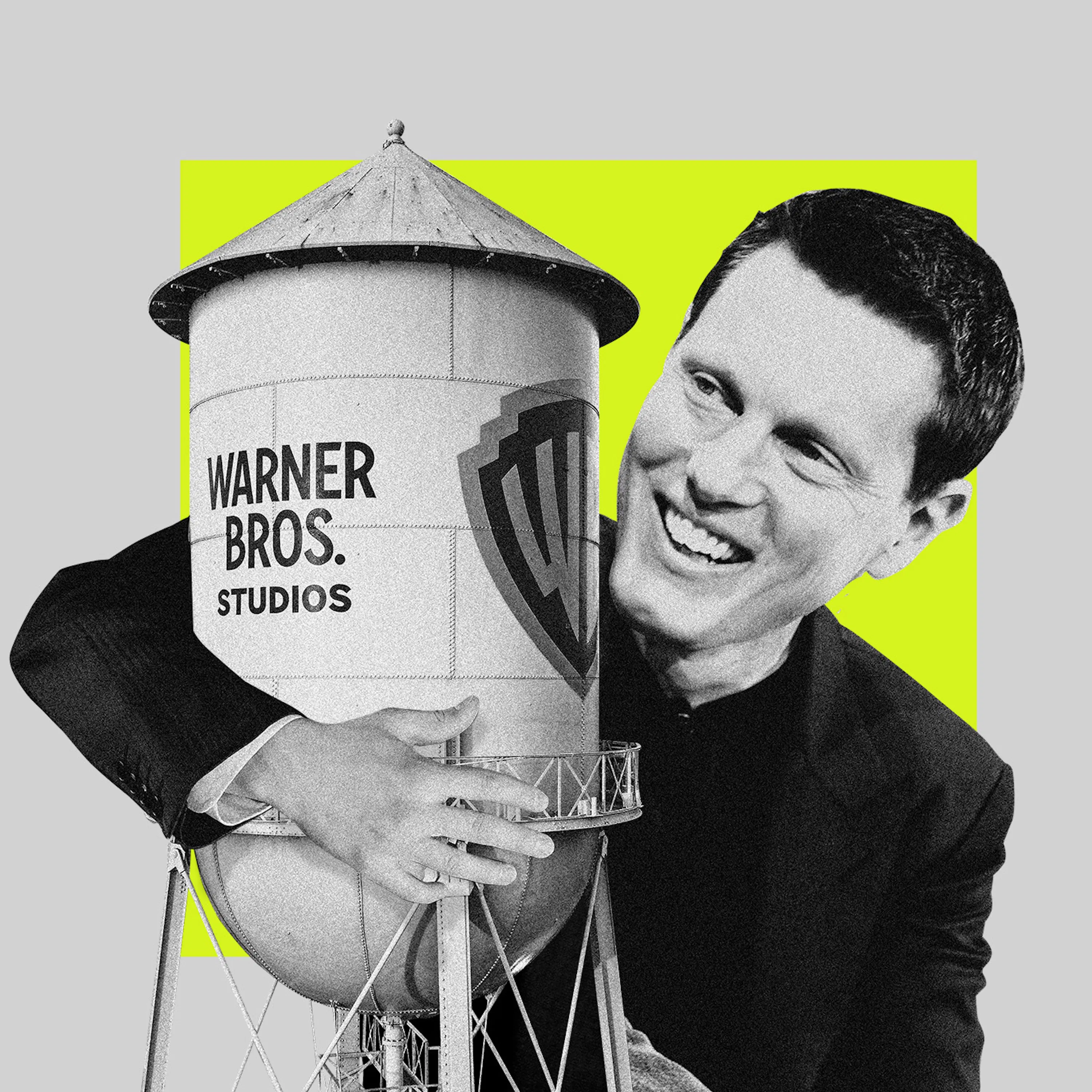
In the bidding war for Warner Bros., Netflix is targeting the valuable studio IP, while Paramount critically needs the declining-but-profitable linear cable assets like CNN. This is because Paramount lacks the free cash flow of Netflix and requires the cable networks' earnings simply to finance the highly leveraged deal.
