Get your free personalized podcast brief
We scan new podcasts and send you the top 5 insights daily.
Britain's critical advantage in skilled labor during the Industrial Revolution came from its competitive, market-based apprenticeship system. Unlike the rigid guilds on the continent, English apprentices could freely choose their masters. This competition fostered a higher quality and greater diversity of practical skills, which were essential for building and maintaining new machinery.

Related Insights
Unlike China's vast, easily unified plains, Europe's geography of mountains and rivers created natural barriers. This prevented a single empire from dominating and instead fostered centuries of intense competition between states. This constant conflict spurred rapid technological and military innovation, ultimately leading to European dominance.

Analysis of past technological shifts, like the decline in agricultural labor and the invention of spreadsheets, shows that disruption typically creates new job categories and diversifies the labor market. Productivity gains lead to entirely new services and roles, rather than simply causing mass unemployment.

The immense quantity of rope required to maintain hundreds of naval ships forced the industrialization of its production. Some maritime historians argue that the need for massive, dedicated factories called "rope walks" to produce rope at scale was a key catalyst for the Industrial Revolution.

Contrary to common belief, new research suggests the Industrial Revolution's new technologies spread too slowly to cause immediate, widespread job loss. Wages held steady despite rapid population growth, a historically positive outcome. This provides a data-backed counter-narrative to fears of rapid, AI-driven unemployment, suggesting a more gradual transition is likely.
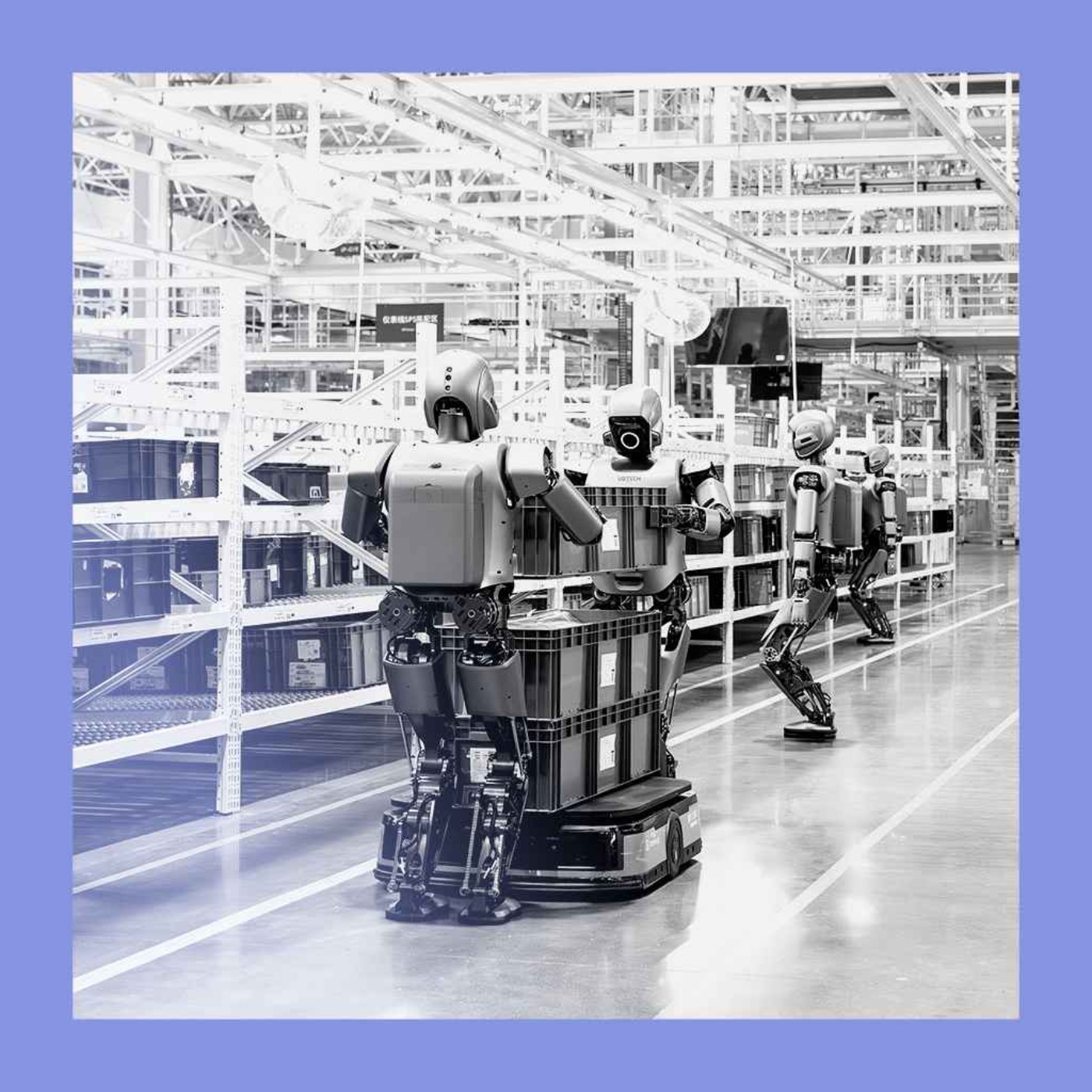
Europe's nuclear family was too small to provide local public goods, spurring the creation of corporations like universities and guilds. In contrast, China's powerful, extended clans fulfilled these roles. This fundamental difference in social organization, not just technology or politics, was a key driver of the great divergence between the two regions.
Historically, businesses were passed to apprentices who learned the trade over years. With this model gone, millions of retiring baby boomer business owners have no clear successors. This "apprenticeship gap" creates a massive opportunity for entrepreneurs to acquire established, profitable businesses.

Unlike a unified China, which could halt nationwide projects like shipbuilding on a whim, Europe's division into competing kingdoms created a resilient ecosystem for progress. If one nation abandoned an idea or technology, another could pick it up, fostering continuous development driven by interstate competition.

A significant 20-25 year age gap exists in machining because an entire generation was pushed toward four-year degrees instead of skilled trades. As veteran machinists retire, there is a critical shortage of experienced mid-career professionals to replace them, creating a major talent crisis in manufacturing.

The key divergence between Europe and China appeared technologically long before it manifested in living standards. Beginning in the Renaissance, Europeans became the world's primary "agents of change"—innovating, adapting, and spreading ideas globally. In contrast, Chinese technological innovation largely stagnated after 1400, revealing a more fundamental gap in dynamism.
Capitalism's true power lies in its fluidity, enabling anyone to move from being solely a provider of labor to an owner of capital. Through sweat equity, stock options, or entrepreneurship, individuals can compound capital and achieve economic mobility—a process threatened by systems that denounce such success.
