Get your free personalized podcast brief
We scan new podcasts and send you the top 5 insights daily.
The resistance network's downfall came from Georges Gaston Quillon, a criminal who posed as a French fugitive officer. He successfully fooled the network's leaders, including Cavill, gathered intelligence for two weeks inside her clinic, and reported back to his German handlers, leading to mass arrests.

Related Insights
The justice system often views high-profile criminals as useful assets rather than just targets for prosecution. They can be turned into covert informants (CIs) to provide access to a wider network of even more significant criminals. This utilitarian approach helps explain why certain individuals appear to be handled with surprising leniency.

The Belgian resistance during WWI was not a single organization but a collection of about 300 informal groups. These networks, often led by aristocrats like Prince Reginald de Croix, focused on intelligence, underground newspapers, and smuggling Allied soldiers rather than widespread sabotage.
The most logical explanation for Epstein's unusual legal leniency is that he was a Clandestine Informant (CI). Law enforcement agencies grant immunity to criminals like Epstein in exchange for access to a network of higher-value targets, such as corrupt politicians or foreign agents, whom they consider a greater threat to national security.
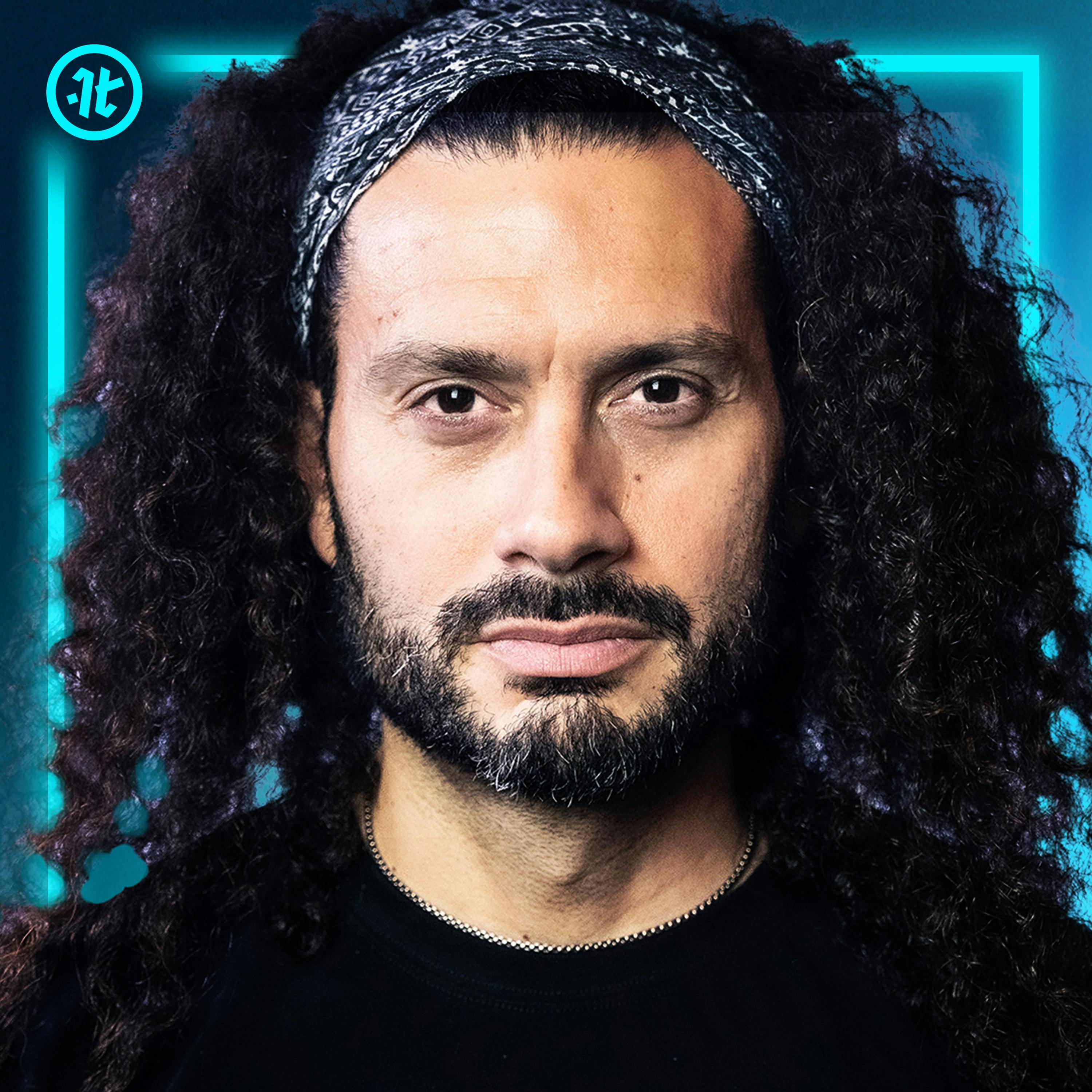
An 'access agent' is recruited to gain proximity to powerful individuals who cannot be recruited directly. Epstein's role was likely to provide a comfortable environment for targets, gather compromising material (kompromat) via hidden cameras, and leverage that access for intelligence gathering.

An undercover FBI agent approached a Chinese spy not as a threat, but as an ally. By fabricating a story that the spy's handler was arrested and communications were compromised, the agent created a sense of danger and then offered himself as the sole safe channel, effectively isolating and controlling the target.
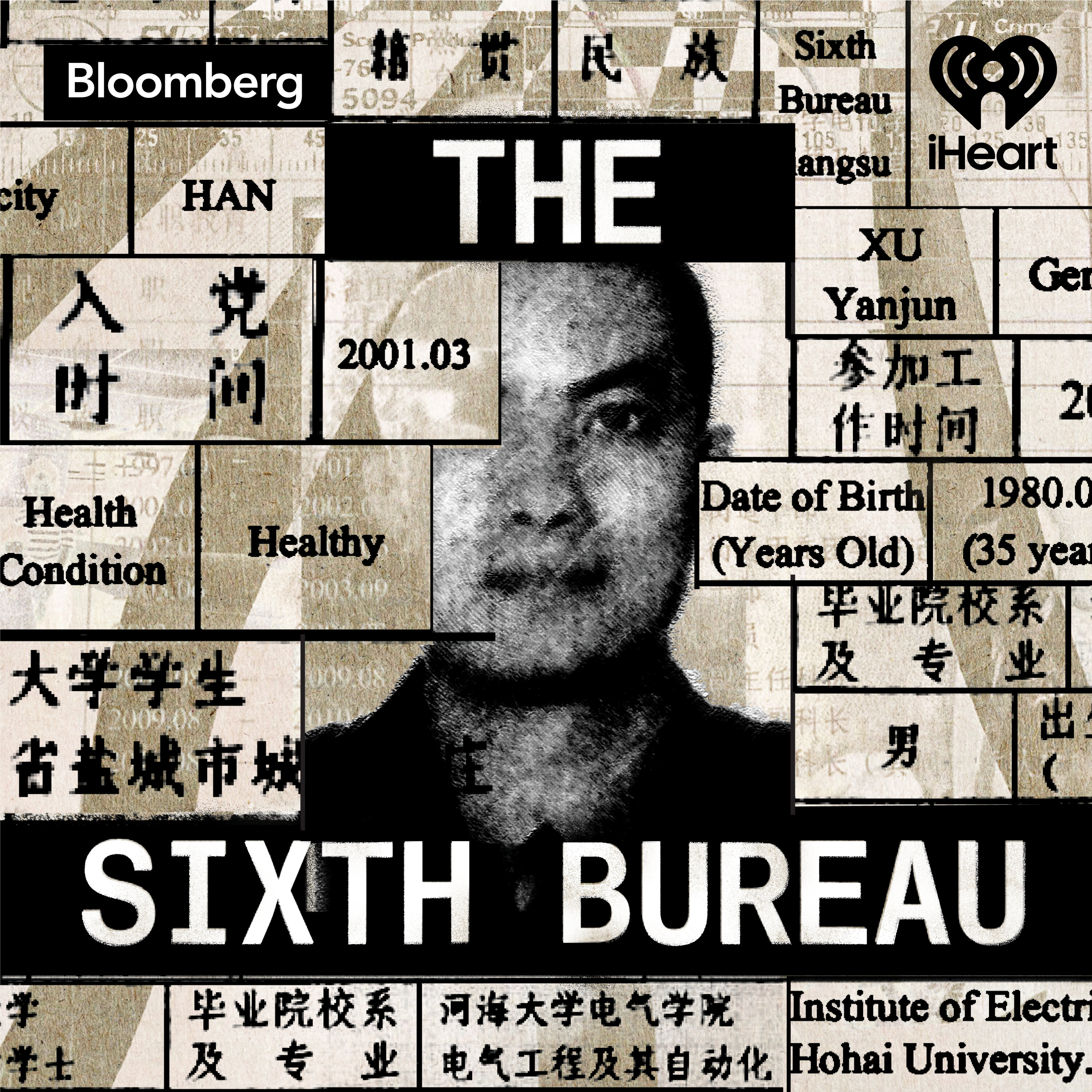
Cavill openly confessed her role in helping almost 200 Allied soldiers and civilians escape. This unusual honesty, potentially stemming from her pious Christian faith or naivety, meant she effectively condemned herself, making no effort to deny the charges that led to her execution.
The execution of a nurse, regardless of its legal justification, provided a powerful symbol for Allied propaganda. It was framed as an act of barbarism, galvanizing anti-German sentiment in Britain and neutral nations like the United States, far outweighing any military benefit of stopping her network.
Contrary to the propaganda narrative of a lawless murder, Cavill was tried under Section 58 of the German military code. Her actions, including helping able-bodied men join Allied armies, clearly constituted "war treason," for which death was the prescribed and explicit penalty for foreigners.
Far from being just a guerilla force, the Polish Home Army operated a sophisticated underground state under Nazi occupation. This parallel society included its own law courts, a clandestine university, and printing presses, demonstrating an unparalleled level of organized civil and military resistance.

The network was compromised partly due to its own carelessness. Allied soldiers who escaped via the network gave interviews to local newspapers or sent postcards to Edith Cavill to thank her, inadvertently providing German intelligence with valuable leads and prompting warnings from within the network.