Get your free personalized podcast brief
We scan new podcasts and send you the top 5 insights daily.
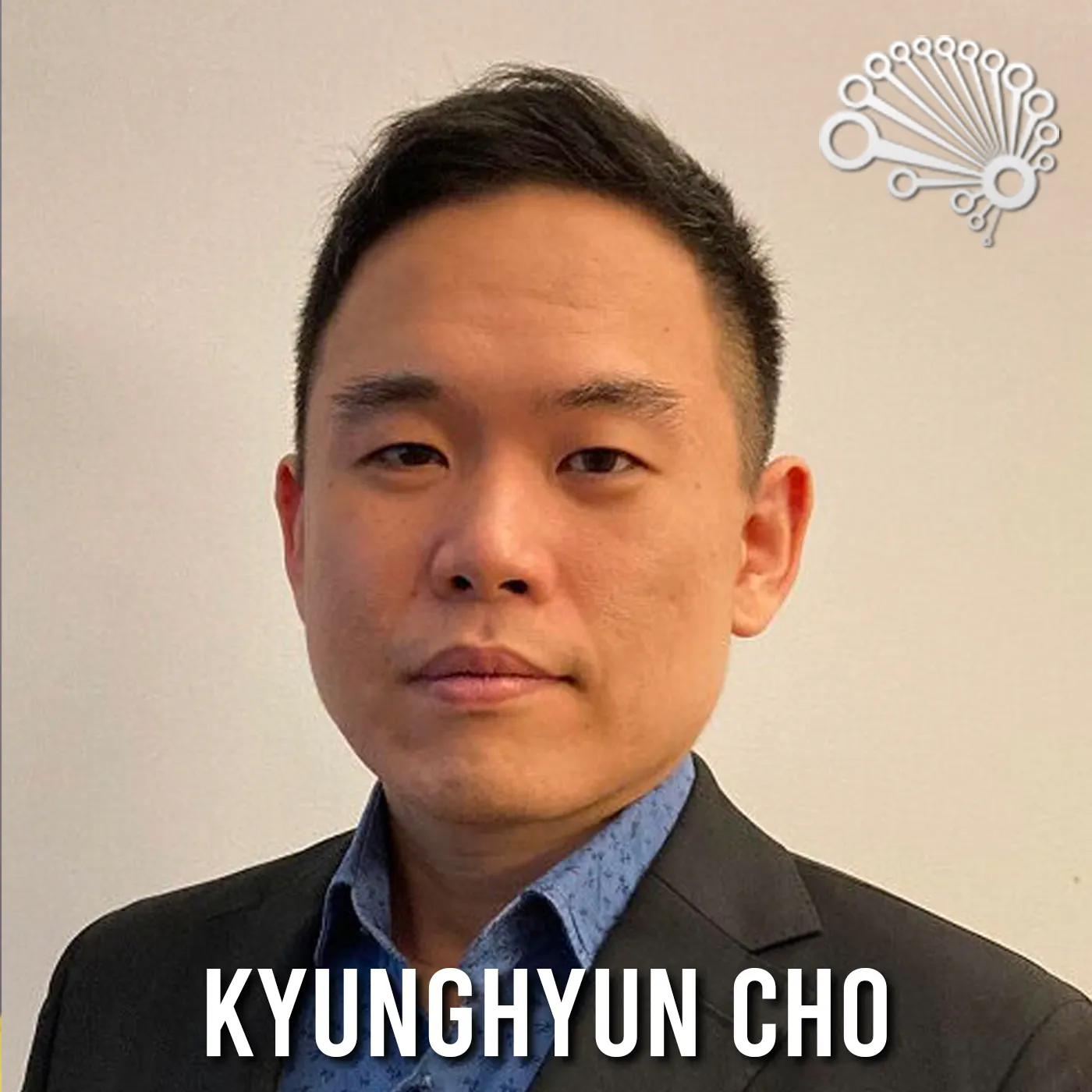
Prof. Kyunghyun Cho contrasts the "isolated" research styles in Korea and Finland with North America's, which he describes as an "extremely collective affair." He believes the constant influx of global talent automatically fosters a collaborative environment that accelerates innovation, a model he aims to replicate.
Related Insights
A core, overlooked element of the Biohub's success is physically bringing together scientists and engineers from competing universities like Stanford, UCSF, and Berkeley. This simple act of co-location dismantled institutional barriers and fostered a level of collaboration that was previously uncommon.

Open-source initiatives like OpenClaw can surpass well-funded corporate R&D because they leverage a global pool of contributors. This distributed approach uncovers genius in unlikely places, allowing for breakthroughs that siloed internal teams might miss.

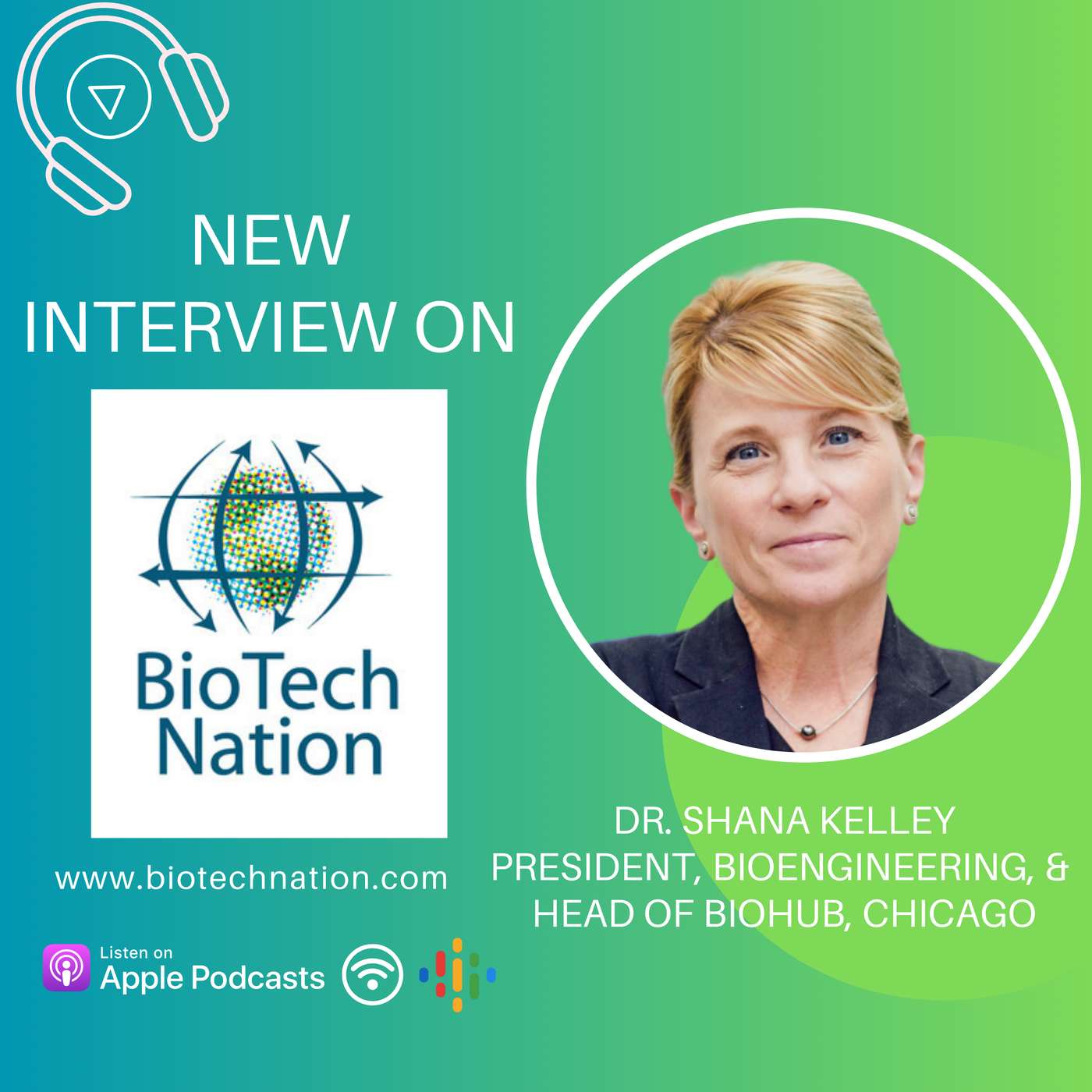
Instead of being standalone institutes, CZI's Biohubs in San Francisco, Chicago, and New York are deeply integrated with elite universities like Stanford, Northwestern, and Columbia. This strategic model provides immediate access to world-class talent, research infrastructure, and collaborative opportunities, forming the "magic of the model."
Challenging the narrative of pure technological competition, Jensen Huang points out that American AI labs and startups significantly benefited from Chinese open-source contributions like the DeepSeek model. This highlights the global, interconnected nature of AI research, where progress in one nation directly aids others.

Public criticism between figures like Elon Musk and Donald Trump, while appearing chaotic, is a symptom of America's rugged individualist culture. This freedom to challenge authority and speak freely, though messy, is precisely what attracts global innovators and has historically fueled the nation's success.

CZI's Biohub model hinges on a simple principle: physically seating biologists and engineers from different institutions (Stanford, UCSF, Berkeley) together. This direct proximity fosters collaboration and creates hybrid experts, overcoming the institutional silos often reinforced by traditional grant-based funding.

The constant movement of researchers between top AI labs prevents any single company from maintaining a decisive, long-term advantage. Key insights are carried by people, ensuring new ideas spread quickly throughout the ecosystem, even without open-sourcing code.

The U.S. maintains a significant economic advantage because its culture doesn't penalize failure; it often celebrates it as a necessary step toward success. This cultural trait is crucial for fostering experimentation and risk-taking, as seen in the celebrated narrative of founders succeeding after previous ventures failed.

Developing a new medicine is 'the toughest team sport,' requiring hundreds of people across diverse disciplines over many years. In this context, culture isn't a perk; it's the fundamental 'glue' that enables these disparate teams to work in concert and succeed. Without it, even the best individual players will fail.

CZI's Biohub model fosters cross-disciplinary breakthroughs by physically sitting engineers and biologists together. This simple organizational tactic encourages informal communication and collaboration, proving more effective at solving complex problems than formal structures and reporting lines.
