Get your free personalized podcast brief
We scan new podcasts and send you the top 5 insights daily.
Beijing's new "ethnic unity" law contains ambiguous language giving it the power to pursue legal responsibility for anyone worldwide deemed to be undermining China's ethnic unity. This represents a significant and concerning expansion of China's legal reach beyond its borders, creating risks for activists, journalists, and academics globally.
Related Insights
China's new "Industrial and Supply Chain Security" regulations use intentionally vague language, such as making it illegal to "harm the security of the country's industrial and supply chains." This ambiguity creates massive uncertainty and legal peril for foreign firms doing business in China.

Meta's acquisition of Manus, a Chinese-founded startup that moved to Singapore, is being scrutinized by Beijing. This shows that simply changing legal domicile is not enough to escape China's control over deals involving its domestic technology, data, or talent, setting a precedent for future cross-border M&A.

The "Liu Zhi" system is a form of extrajudicial detention used by China's anti-corruption agency. It allows officials to hold individuals, including business executives, for months without access to lawyers or the normal court system in harsh conditions. This creates a climate of intense fear and uncertainty for the business community.

Cloudflare is fighting a $17M fine from an Italian body demanding global takedowns of websites within 30 minutes. This highlights a critical geopolitical risk: local governments attempting to enforce their censorship rules worldwide, treating US tech companies as a revenue source.
The Chinese censorship ecosystem intentionally avoids clear red lines. This vagueness forces internet platforms and users to over-interpret rules and proactively self-censor, making it a more effective control mechanism than explicit prohibitions.

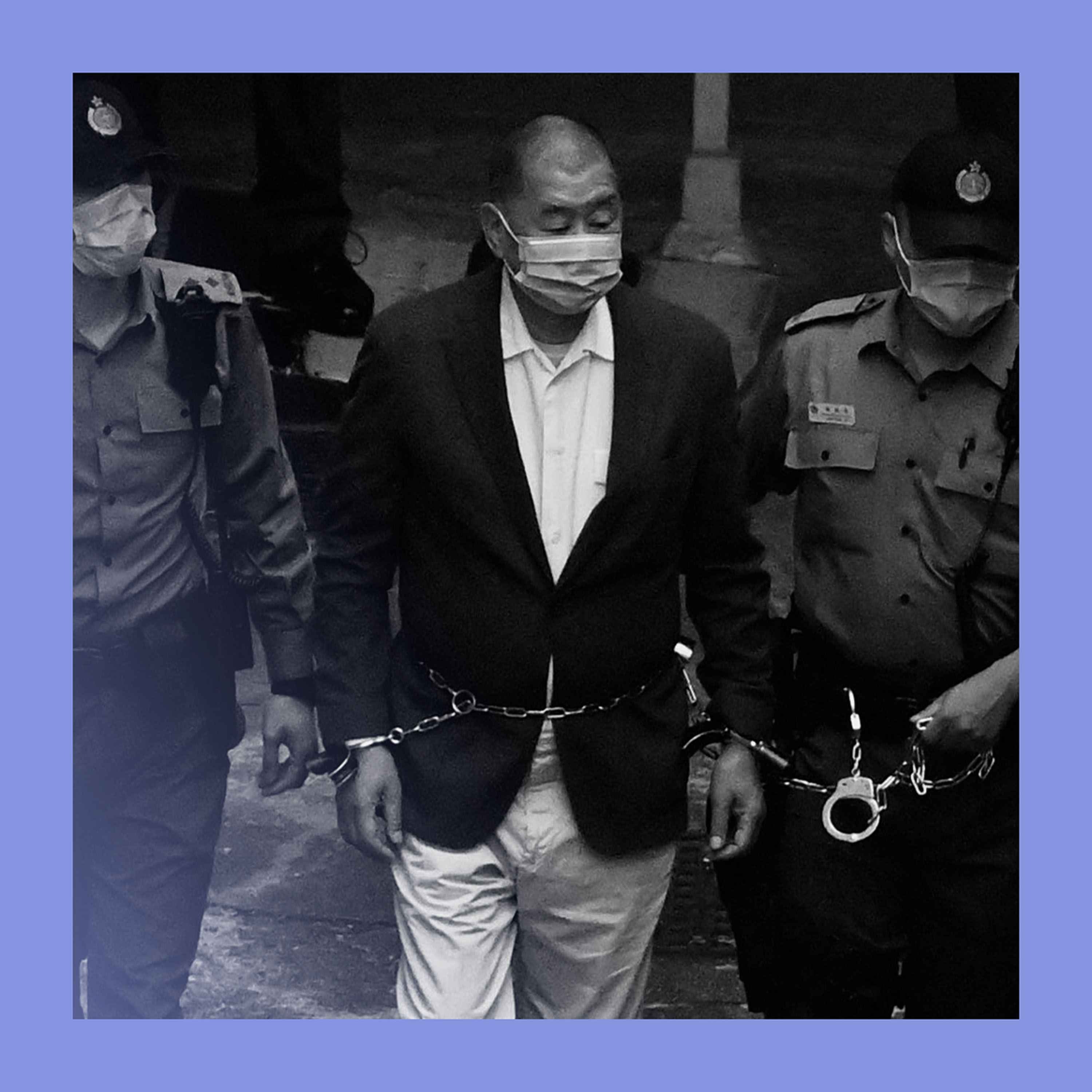
The conviction of media mogul Jimmy Lai underscores the sweeping power of the 2020 national security law imposed by Beijing. This legislation has fundamentally altered Hong Kong's legal system, with an expected 95% of cases ending in conviction, effectively creating a legal apparatus for silencing dissent.
In countries lacking an independent judiciary, business success can be arbitrarily nullified by political whims. As seen with Jack Ma in China, entrepreneurs can be 'disappeared' and major business initiatives like IPOs can be scrapped overnight for non-business reasons, such as making a statement a government dislikes.

China counters US sanctions by making it illegal for companies within its borders to comply. This creates a legal bind, forcing businesses to choose between breaking US law or Chinese law, with penalties threatened for siding with the US.

Internet platforms like Weibo don't merely react to government censorship orders. They often act preemptively, scrubbing potentially sensitive content before receiving any official directive. This self-censorship, driven by fear of punishment, creates a more restrictive environment than the state explicitly demands.
Censorship in China operates less through direct orders and more through an atmosphere of unpredictable threat. Like an anaconda sleeping in a chandelier above a dinner party, the state's potential to strike at any moment for any reason causes individuals to self-censor constantly, stifling creativity and open discourse.
![Dan Wang - The US vs China In The 21st Century - [Invest Like the Best, EP.444] thumbnail](https://megaphone.imgix.net/podcasts/e1599a88-a9f6-11f0-b532-e3695bb27d60/image/0f5c07552cef2689e5834d56786ad6f1.jpg?ixlib=rails-4.3.1&max-w=3000&max-h=3000&fit=crop&auto=format,compress)