Get your free personalized podcast brief
We scan new podcasts and send you the top 5 insights daily.
Loa Carbon’s value proposition is geopolitical, not just environmental. By enabling domestic production of natural gas from waste streams, their technology simultaneously addresses climate goals and reduces a nation's dependence on volatile foreign energy markets.

Related Insights
China's investment in green technology is driven less by environmentalism and more by strategic goals. By dominating renewables and EVs, China reduces its dependence on foreign oil—a key vulnerability in a potential conflict with the US—while building global soft power and boosting its GDP through green tech exports.
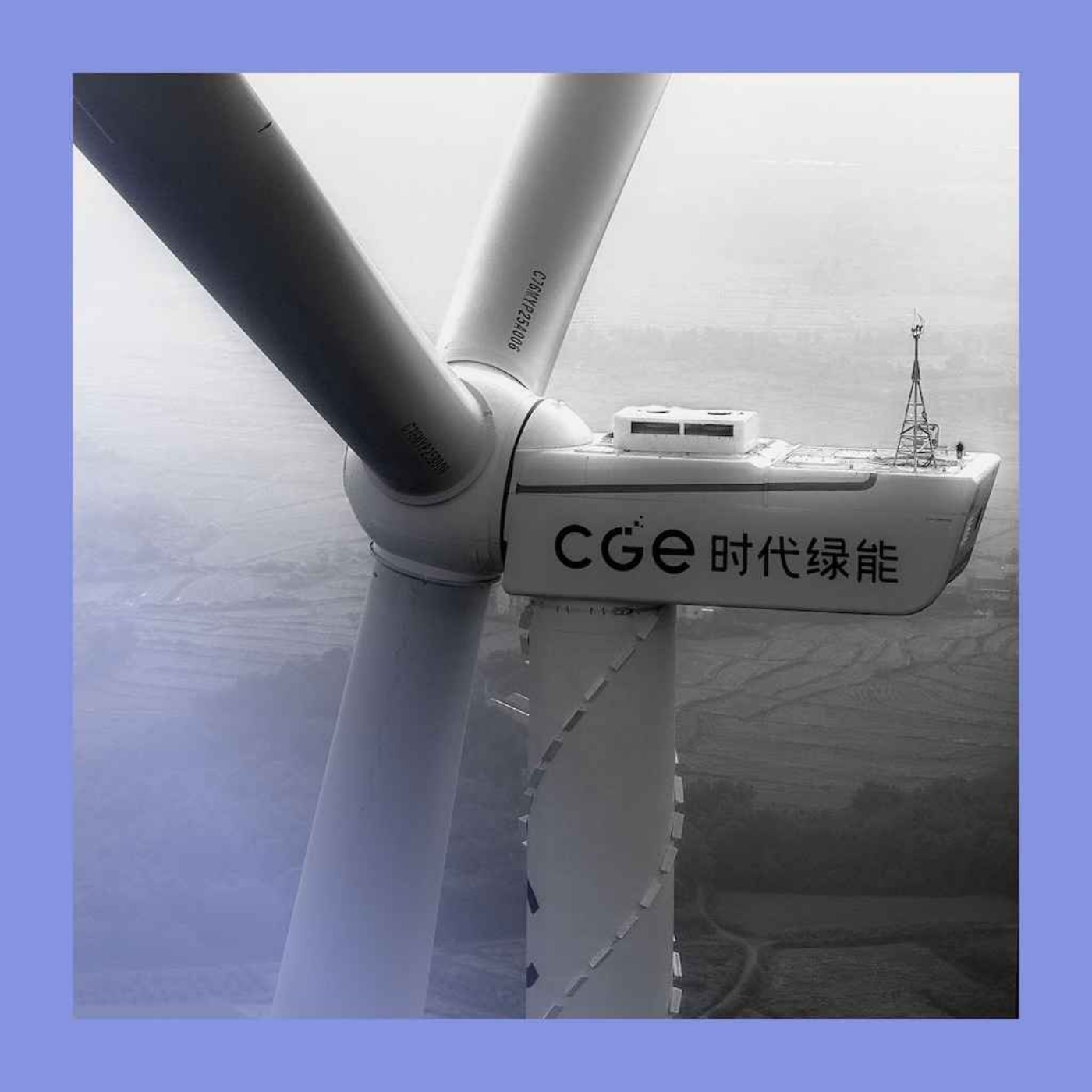
The narrative around wind and solar is shifting. Previously framed as a response to climate change, geopolitical crises are repositioning them as critical tools for national energy security and supply diversification. This pragmatic reframing could accelerate adoption by appealing to self-interest over environmentalism.

The century-old Sabatier reaction for creating methane is well-known. Loa Carbon's key innovation is a proprietary system for managing the reaction's intense exothermic heat, allowing for stable and continuous production where others have struggled.
Nations are rapidly investing in renewables to reduce dependence on fossil fuels controlled by unstable regions. This shift is driven by a desire for energy security and economic stability, making it a more powerful catalyst than climate change activism alone.

Beyond environmental benefits, climate tech is crucial for national economic survival. Failing to innovate in green energy cedes economic dominance to countries like China. This positions climate investment as a matter of long-term financial and geopolitical future-proofing for the U.S. and Europe.

The company initially made carbon-capture diamonds. This process perfected their ability to create synthetic methane from CO2, which became the core of their new, more scalable energy venture after they exited the diamond business.
The CEO observes a fundamental shift in the narrative for renewables. While climate change remains urgent, geopolitical crises highlighted Europe's dependence on imported fossil fuels. This elevated energy security and affordability to primary drivers, as renewables are now the cheapest long-term solution.

Drawing from prior experience, the CEO states that customers won't reliably pay more for a "green" product. Loa Carbon's strategy is to make its sustainable natural gas significantly cheaper than imported alternatives, creating a no-brainer value proposition based on economics, not just ethics.
While the U.S. pursues "energy dominance" via LNG and oil exports, China is establishing itself as a "green tech superpower." By supplying affordable solar panels, batteries, and EVs, China offers other nations a path to energy security and independence, creating a new form of geopolitical influence that challenges the fossil fuel-based world order.
The global pivot to renewables and EVs is increasingly driven by national security, not just climate policy. Nations like China and Europe are accelerating investments to achieve energy independence and insulate themselves from weaponized fossil fuel supplies (e.g., US LNG, Russian gas), recasting the energy transition as a security imperative.
