Get your free personalized podcast brief
We scan new podcasts and send you the top 5 insights daily.
Dixon's investment framework involves identifying niche movements where intelligent, passionate people are congregating. He dives into these "rabbit holes" (like early crypto or VR) and invests if the concepts become more compelling with deeper exploration, believing these "cults" often precede mainstream trends.

Related Insights
Martin Shkreli frames the Effective Altruism (EA) movement as a cult that concentrated highly intelligent individuals. This focused social network led to early, high-conviction investments in foundational AI companies like Anthropic, producing extraordinary venture returns for insiders.

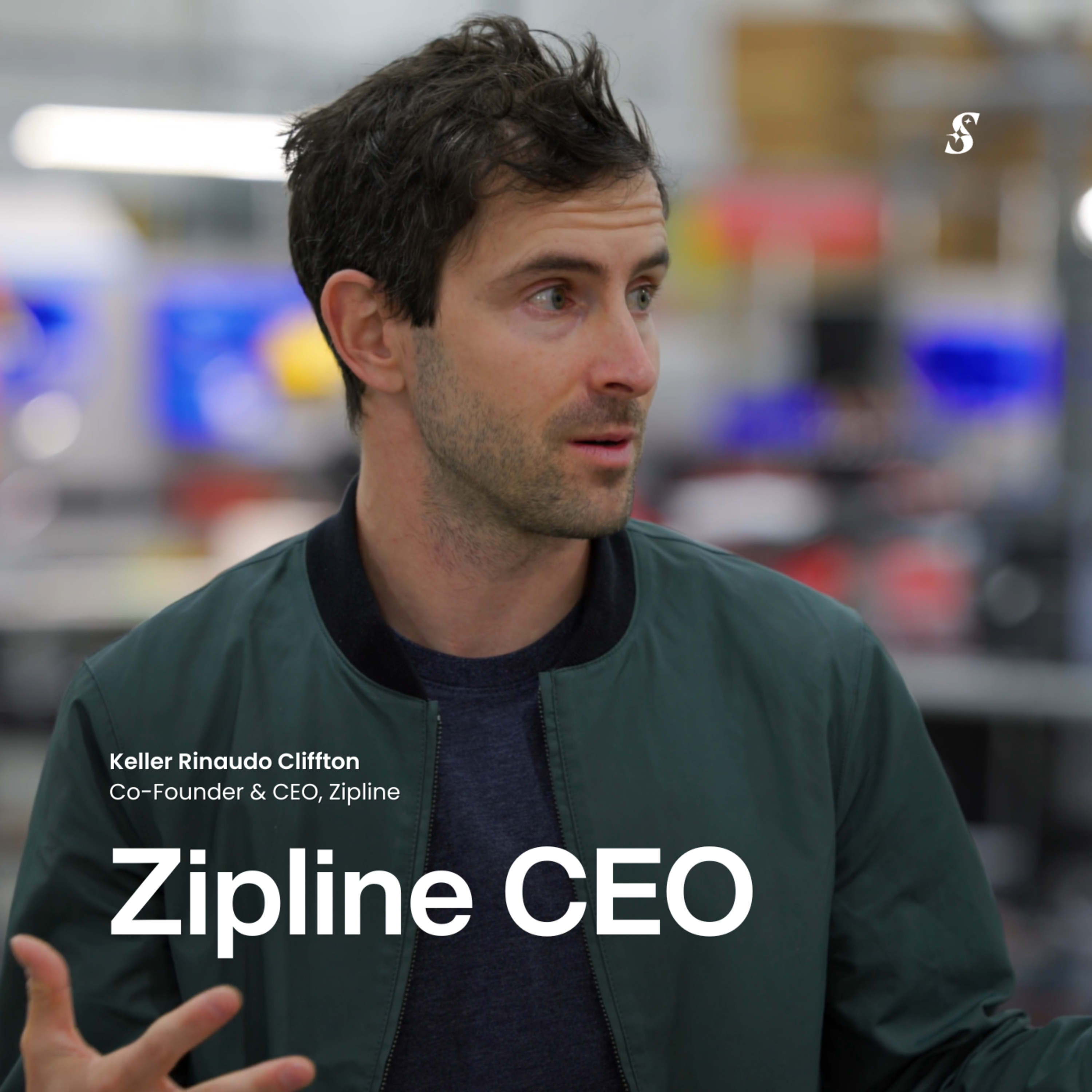
Zipline, much like early Tesla or SpaceX, was never part of a broader investment "hype cycle." They spent a decade working on a contrarian idea that most investors thought was stupid. This obscurity allowed them to build with deep conviction, attracting only highly contrarian investors who believed in the long-term, inevitable vision.
The firm's strategy isn't to back every foundation model. It centers on identifying singular talents whose past work demonstrates a unique ability to achieve foundational breakthroughs. The belief is that in the current AI landscape, a few specific individuals can move the entire field forward.

To launch a high-risk crypto fund, Chris Dixon proactively met with LPs. He presented not only the investment thesis but also an "anti-pitch" outlining all potential downsides. This ensured participating LPs were fully aligned and opted-in knowingly, managing expectations for the volatile asset class.
A16Z's crypto fund prioritizes founders who have spent their careers deeply immersed in a specific sub-industry, even if it's outside crypto. This deep understanding of a problem set, like traditional finance rails or restaurant tech, is a crucial ingredient for success when applying blockchain solutions.

Legendary investors often succeed by making contrarian bets on ideas considered fringe. Peter Thiel became the first backer of DeepMind when AI was dismissed as 'sci-fi' by both the scientific and entrepreneurial communities, demonstrating a pattern of betting on unpopular but transformative technologies.

Large tech conferences often foster consensus views, leading VCs to chase the same deals. A better strategy is to attend smaller, niche events specific to an industry (e.g., legal tech). This provides an information advantage and helps develop a unique investment perspective away from the herd.

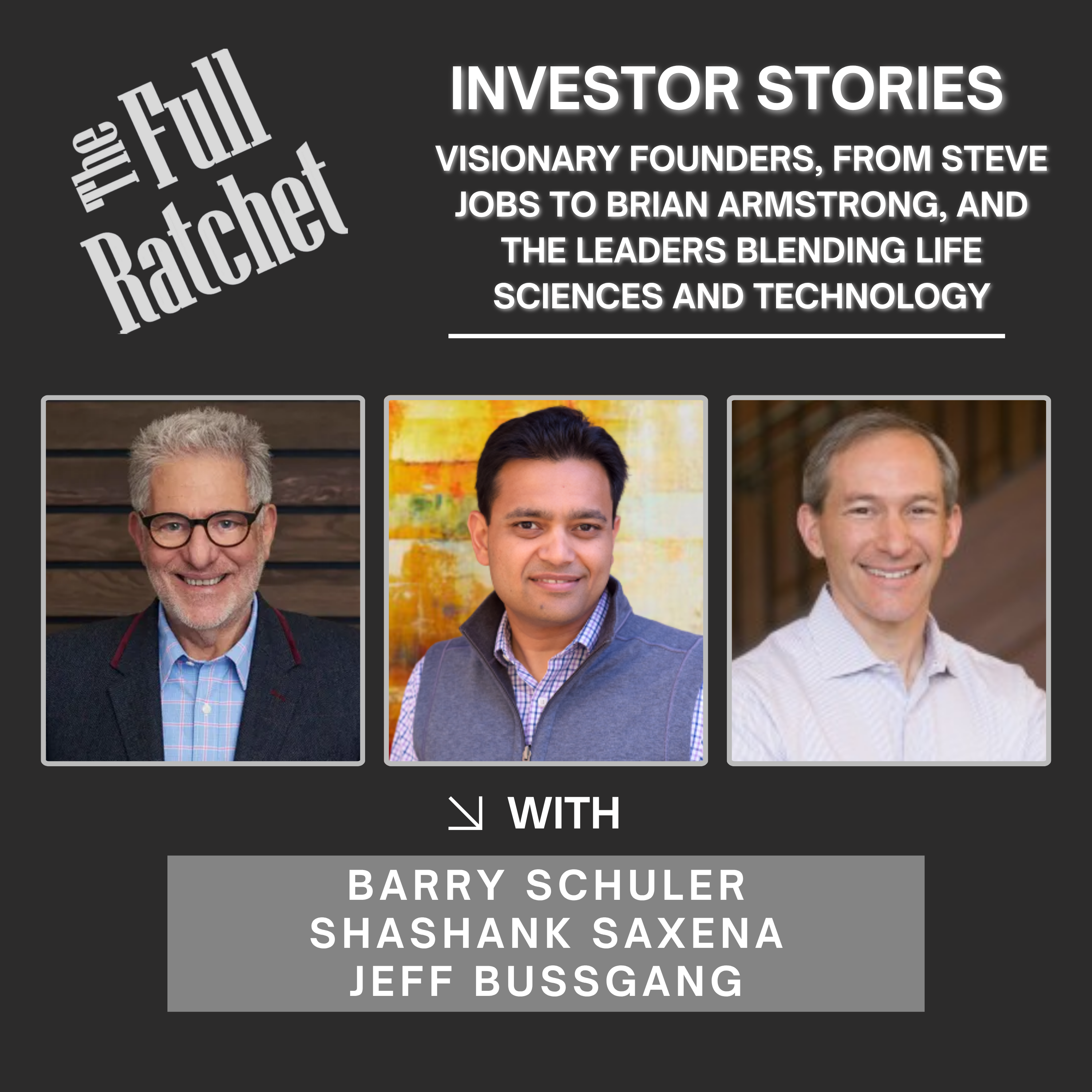
DFJ Growth Partner Barry Shuler details their strategy of avoiding herd investments by focusing on 'life tech'—the intersection of life sciences and technology. This contrarian approach allows them to back brilliant but lesser-known visionaries in emerging fields like population genomics, where they see immense potential.
Small, dedicated venture funds compete against large, price-insensitive firms by sourcing founders *before* they become mainstream. They find an edge in niche, high-signal communities like the Thiel Fellowship interviewing committee or curated groups of technical talent. This allows them to identify and invest in elite founders at inception, avoiding bidding wars and market noise.

Borrowing Peter Thiel's framework, Andreessen defines his firm's strategy as 'indeterminate optimism.' Instead of trying to predict a single, specific future, they bet on a diverse portfolio of 'determinate optimist' founders, each pursuing their own clear vision. The aggregate effect of these experiments drives progress.