Get your free personalized podcast brief
We scan new podcasts and send you the top 5 insights daily.
Martin Shkreli frames the Effective Altruism (EA) movement as a cult that concentrated highly intelligent individuals. This focused social network led to early, high-conviction investments in foundational AI companies like Anthropic, producing extraordinary venture returns for insiders.

Related Insights
Anthropic's team of idealistic researchers represented a high-variance bet for investors. The same qualities that could have caused failure—a non-traditional, research-first approach—are precisely what enabled breakout innovations like Claude Code, which a conventional product team would never have conceived.

Known for making concentrated 'power law' bets on single category winners, Founders Fund is now invested in three major AI labs: OpenAI, xAI, and Anthropic. This diversification suggests they either see the AI market having multiple distinct winners or are hedging bets in a competitive landscape—a departure from their traditional monopoly-focused thesis.

DeepMind's founders knew their ambitious AGI mission wouldn't appeal to mainstream VCs. They specifically targeted Peter Thiel, believing they needed "someone crazy enough to fund an AGI company" who valued ambitious, contrarian ideas over a clear business plan, demonstrating the importance of strategic investor-founder fit.
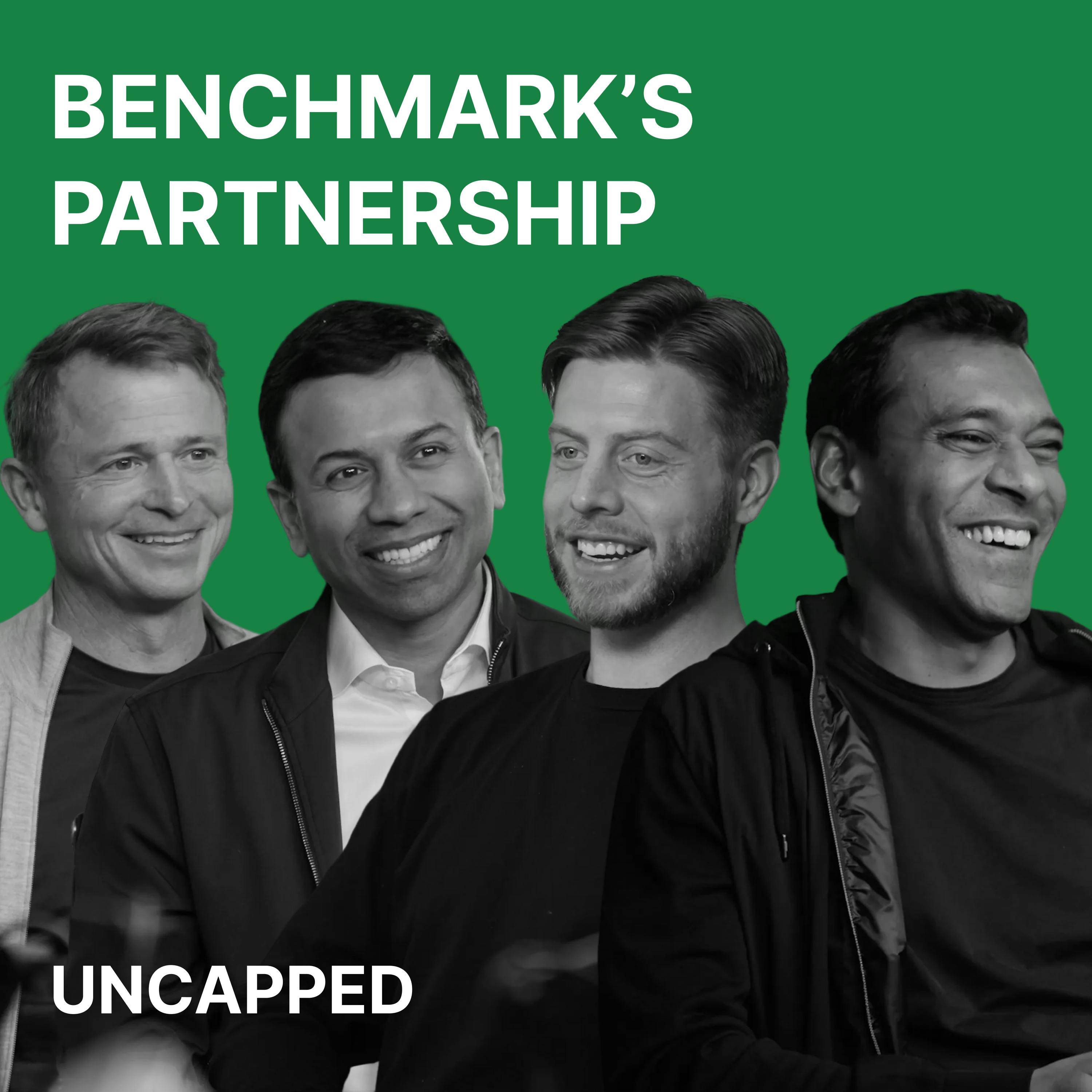
Benchmark's successful AI investments (e.g., Sierra, Langchain) weren't the result of a top-down thematic strategy. Instead, their founder-centric approach led them to back exceptional individuals, which organically resulted in a diverse portfolio across the AI stack before it was obvious.
A key psychological parallel between cults and fervent belief systems like the pursuit of AGI is the feeling they provide. Members feel a sense of awe and wonder, believing they are among a select few who have discovered a profound, world-altering secret that others have not yet grasped.

Quora's initial engineering team was a legendary concentration of talent that later dispersed to found or lead major AI players, including Perplexity and Scale AI. This highlights how talent clusters from one generation of startups can become the founding diaspora for the next.

Martin Shkreli reframes the critique of circular AI investments (e.g., Nvidia invests in OpenAI, which pays Oracle, which buys Nvidia chips). He argues this isn't a flaw but simply an "economy." Its legitimacy is proven not by internal transactions, but by the strong and growing demand from outside users and companies.

Legendary investors often succeed by making contrarian bets on ideas considered fringe. Peter Thiel became the first backer of DeepMind when AI was dismissed as 'sci-fi' by both the scientific and entrepreneurial communities, demonstrating a pattern of betting on unpopular but transformative technologies.

The narrative of AI's world-changing power and existential risk may be fueled by CEOs' vested interest in securing enormous investments. By framing the technology as revolutionary and dangerous, it justifies higher valuations and larger funding rounds, as Scott Galloway suggests for companies like Anthropic.

Far from just shared living spaces, these houses are where specific ideologies (like effective altruism) are forged. The deep trust and shared beliefs built within them directly lead to the co-founding of major companies, such as the AI-firm Anthropic.