Get your free personalized podcast brief
We scan new podcasts and send you the top 5 insights daily.
Unlike the first term's China focus, the Trump 2.0 tariff policy is primarily a domestic tool to raise $300-$400 billion in revenue. This leads to strategically incoherent outcomes, such as imposing higher tariffs on allies like Switzerland than on China, driven by fiscal needs rather than foreign policy goals.

Related Insights
Paradoxically, tariffs intended to punish China could result in it facing lower duty rates than US allies like Japan or South Korea. This is because China possesses unique retaliatory leverage (e.g., rare earths) to force targeted tariff reductions from the U.S., an option unavailable to other nations.

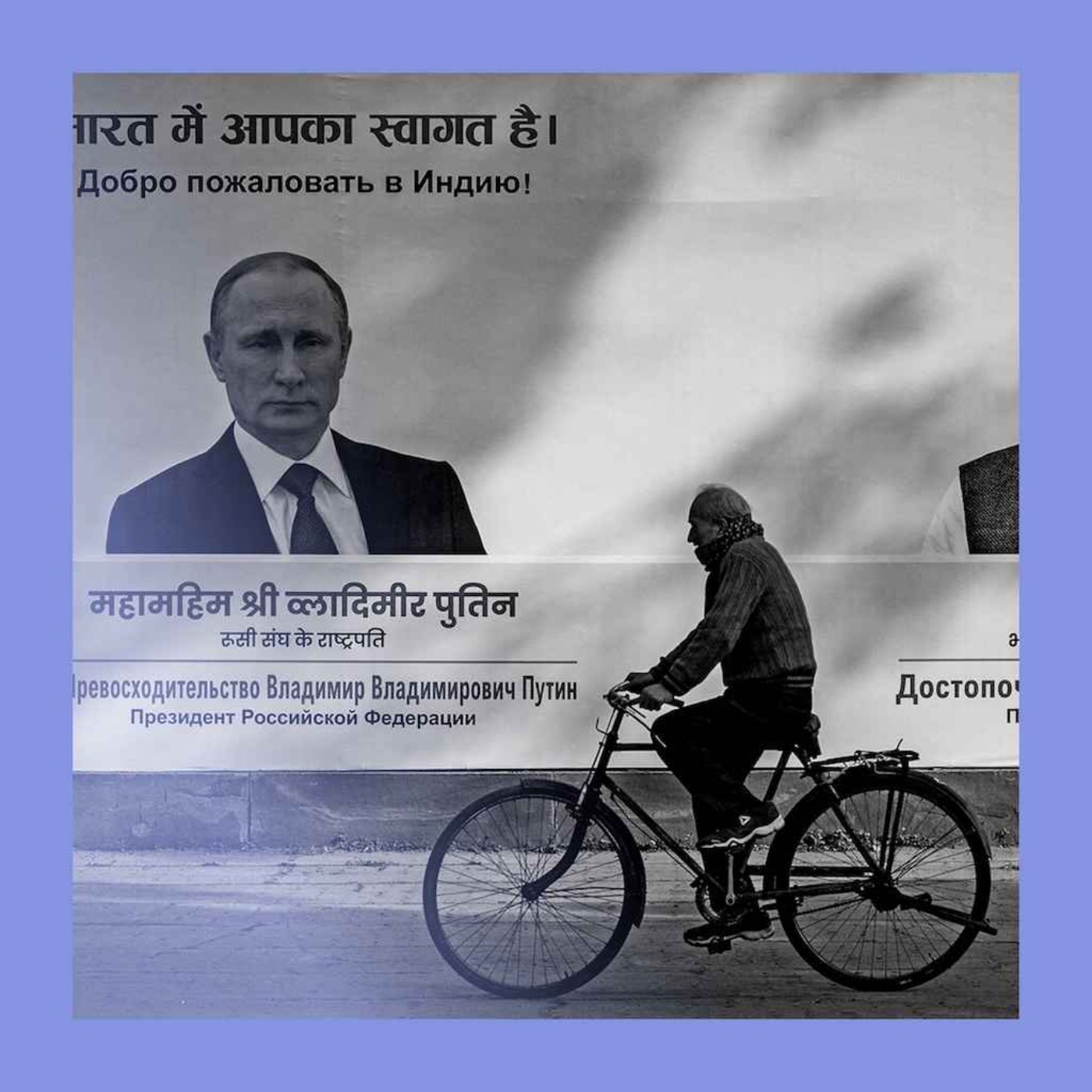
US tariffs, specifically a 50% tariff on India, have pushed Prime Minister Modi to publicly reinforce ties with Russia's Putin. This geopolitical shift is not just based on historical allegiance but is a direct strategic reaction to US economic pressure, demonstrating how "America First" policies can unintentionally benefit adversaries.
The Biden administration's approach to China tariffs was more effective because it was highly targeted at strategic industries and coupled with domestic incentives. Simply imposing broad tariffs is insufficient; smart policy requires pairing trade restrictions with domestic investment to build competitive capacity in areas like semiconductors and batteries.
The tariff war was not primarily about revenue but a strategic move to create an "artificial negotiating point." By imposing tariffs, the U.S. could then offer reductions in exchange for European countries committing to American technology and supply chains over China's growing, low-cost alternatives.

Tariffs are a direct tax paid by the domestic importer, period. This functions as a significant, unacknowledged fiscal tightening by massively increasing the corporate tax bill. This drain on the economy is a primary driver of the current recessionary impulse, contrary to political narratives.

Tariffs are politically useful in a fiscal crisis because they function as a hidden consumption tax. They allow politicians to claim they're taxing foreigners and protecting the nation, while the revenue raised is insufficient to solve the debt problem and domestic consumers bear the cost.

Unlike previous administrations that used trade policy for domestic economic goals, Trump's approach is distinguished by his willingness to wield tariffs as a broad geopolitical weapon against allies and adversaries alike, from Canada to India.

Donald Trump's seemingly chaotic tariff policy functions as a 'mixed strategy' in game theory. By introducing randomness and forcing a response, he makes other nations reveal their true intentions, distinguishing allies willing to negotiate from rivals who default to immediate hostility, such as China.

Contrary to popular belief, Trump's trade strategy isn't protectionism. He uses reciprocity, leverage, and executive flexibility to force other countries to lower their own trade barriers, ultimately aiming for a world with freer trade for the U.S.

Far from being a precise tool against China, recent US tariffs act as a blunt instrument that harms America's own interests. They tax raw materials and machine tools needed for domestic production and hit allies harder than adversaries. This alienates partners, disrupts supply chains, and pushes the world towards a 'World Minus One' economic coalition excluding the US.
