Get your free personalized podcast brief
We scan new podcasts and send you the top 5 insights daily.
Conventions provide a direct line to fans, generating significant revenue through paid autographs and photos. This model, once stigmatized, has become a primary income source for talent, sometimes surpassing traditional earnings from projects themselves.

Related Insights
Aspiring social media professionals can bypass traditional career paths. By creating and growing a successful niche fan account ("stan account"), they build a public portfolio that demonstrates their ability to create engaging content and build an audience, attracting recruiters from major brands.

Author Mike Perry, though shy, adopted Mark Twain's strategy of using paid speaking engagements to supplement unpredictable book income. This has become one of his most reliable revenue streams, offering a practical financial model for artists and writers.
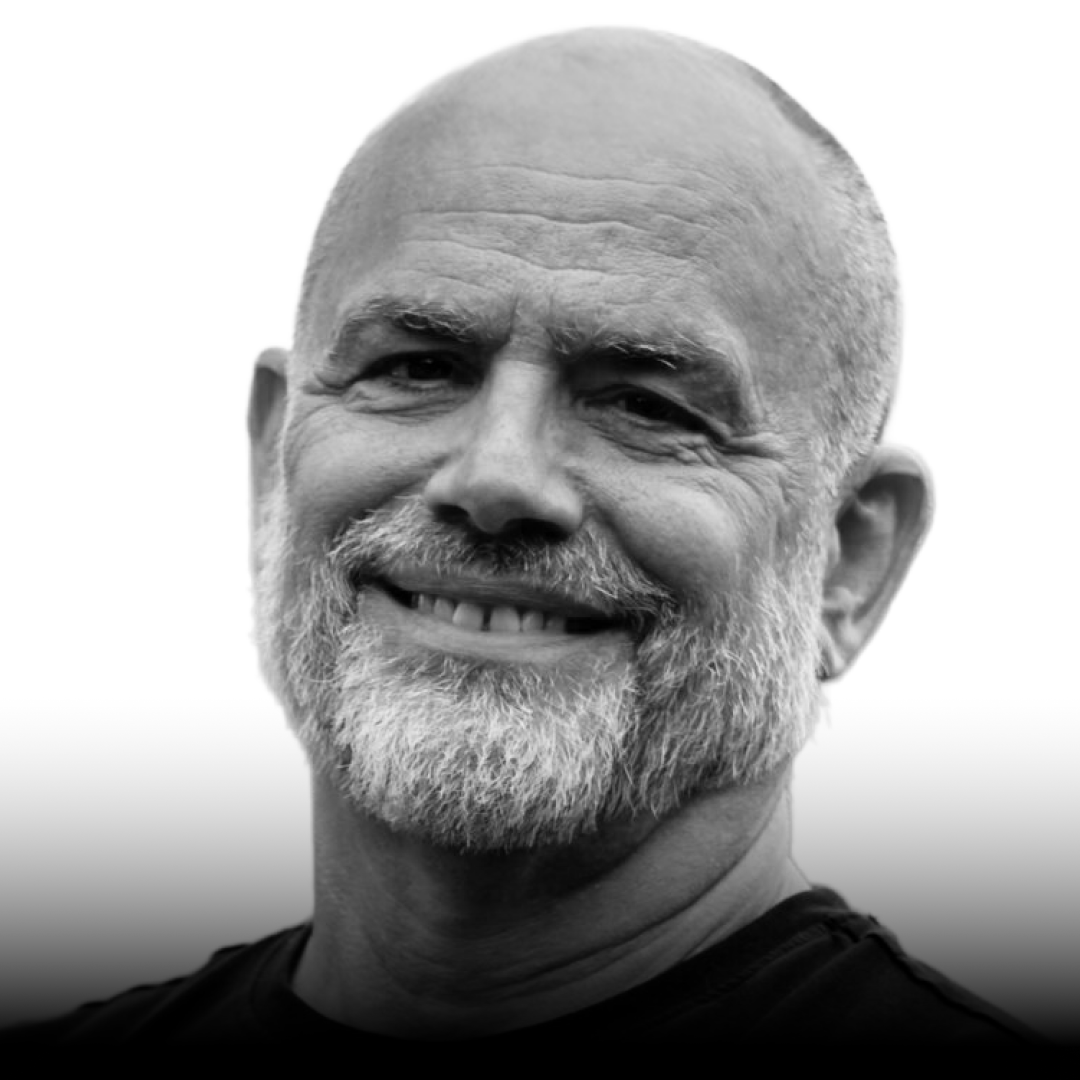
Voice actor Robbie Damon notes the 2008 economic collapse and writers' strike filtered out less committed actors. For those who persevered through the downturn, there were more opportunities available once the industry began to recover, as competition had thinned out.
Robbie Damon pivoted from on-camera to voice acting because the latter offered more frequent work. He was booking so many voice jobs that he had to turn down on-camera auditions, effectively letting the market and volume of opportunities dictate his career specialization.
Robbie Damon charges for autographs only within the commercial context of a fan convention. Any impromptu fan encounter in public is always free. This strategy preserves the monetary value of his signature while building authentic goodwill with fans outside of a transactional setting.
Initially naive about PR, creators now see celebrity appearances as transactional. Realizing they are being used for promotion, some have started charging movie studios and publicists for access to their audience, reversing the traditional media value exchange.

The next evolution of the creator economy involves creators building their own vertically integrated studios, complete with production, marketing, CPG, and supply chain infrastructure. They are no longer just talent for hire but self-sufficient media and commerce companies controlling their own IP.

The future of creator monetization includes 'commercetainment'—live shows where the primary goal is entertainment but which also seamlessly integrate product sales. Skilled entertainers can make this feel authentic, creating a modern, interactive version of QVC that builds community and drives direct revenue.
Voice actor Ray Chase quit social media, yet his fan lines at conventions grew longer. This demonstrates that for creators with strong direct-to-fan engagement models, a constant social media presence is not a prerequisite for business success or relevance.
Independent animators are bypassing Hollywood gatekeepers by building massive fandoms directly on YouTube. By proving their IP with hundreds of millions of views and monetizing via merch, they gain incredible leverage, forcing studios to come to them with favorable deals.
