Get your free personalized podcast brief
We scan new podcasts and send you the top 5 insights daily.
Modern cargo and rail theft is not random looting. Criminal organizations use inside information, likely from employees at shipping or trucking companies, to identify and target specific trailers or rail cars containing the most valuable goods, such as electronics or firearms.

Related Insights
Retail "shrink" is not monolithic. Home Depot's asset protection team strategically divides losses into "malicious" (theft) and "operational" (internal process errors). For them, malicious activity accounts for 70% of losses, allowing them to focus resources effectively.
Cargo theft has evolved beyond simple break-ins. Sophisticated criminals create fraudulent but legitimate-looking carrier companies, complete with fake paperwork, to pick up entire truckloads of inventory from shippers and then disappear with the goods.
A novel form of organized crime involves gangs buying small, established freight forwarding businesses. They leverage the company's legitimate reputation to take possession of high-value shipping containers, steal the goods, and then promptly shut down the business and disappear, making the crime nearly untraceable.

Organized crime has evolved from simple theft to complex corporate schemes. One group purchased a legitimate freight brokerage, used it to win contracts, loaded trucks with $7 million of product in a single day, and then dissolved the company, showcasing a new level of criminal sophistication.

Modern cargo theft is not petty pilfering but sophisticated organized crime. Criminals create fraudulent carrier entities, build a legitimate track record, and then steal high-value freight before disappearing. This has forced brokers to implement stringent, technology-driven vetting processes.
The focus on suspicious bank transactions misses the bigger picture. Laundering an estimated trillion dollars a year, criminals move value by mis-invoicing goods like tractors or luxury items, a method that is far more difficult to track than financial transfers.
Organized retail crime has evolved beyond shoplifting. Langley describes an Eastern European group that purchased a real freight brokerage, used it to secure large shipping contracts, loaded a truck with $7 million in goods in a single day, and then vanished after dissolving the company.

To circumvent the physical challenge of smuggling enormous GPU server racks, smugglers employ deception. They create empty, dummy server racks to fill out data centers, fooling inspectors into believing they are viewing a fully equipped, legitimate operation while the real, valuable GPUs are moved elsewhere.
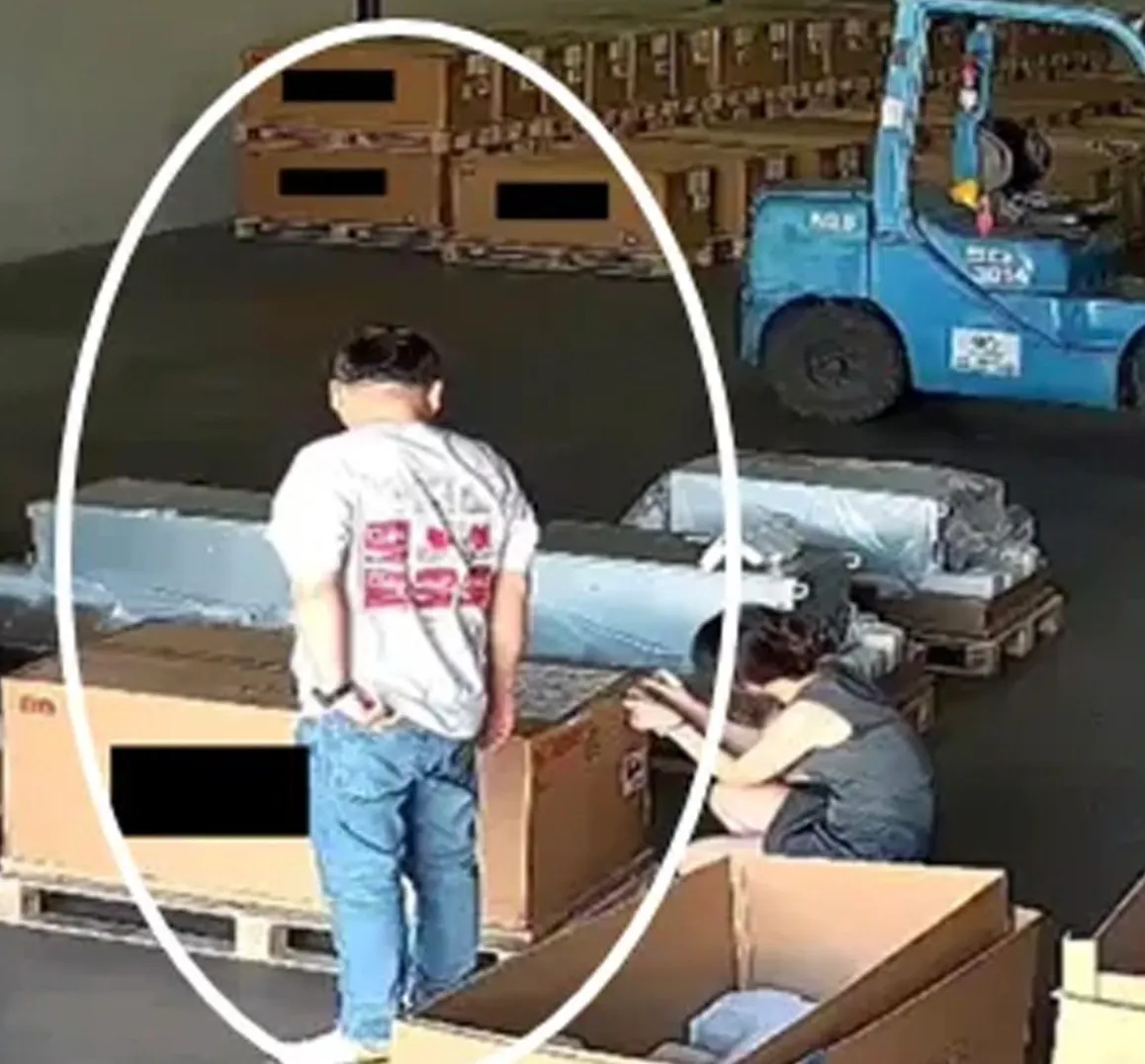
When trying to access a fortified system, the cheapest vector is human intelligence. Recruiting an insider with loose morals or personal vulnerabilities is typically far more cost-effective than developing a complex technological exploit.

As financial assets become increasingly digital and secure, criminals pivot to high-value physical goods. The recent boom in art and artifact heists suggests that as one area of crime becomes harder, criminals shift their focus to softer, tangible targets like museums and historical sites.
