Get your free personalized podcast brief
We scan new podcasts and send you the top 5 insights daily.
Investing in a major AI lab like Anthropic has become a table-stakes branding move for VC firms. The logo signals relevance and is seen as essential for raising a firm's next fund, driving firms to join late-stage, party rounds just to get the association and avoid a "red flag" for their brand.

Related Insights
Top AI labs like Anthropic are simultaneously taking massive investments from direct competitors like Microsoft, NVIDIA, Google, and Amazon. This creates a confusing web of reciprocal deals for capital and cloud compute, blurring traditional competitive lines and creating complex interdependencies.

The investment thesis for new AI research labs isn't solely about building a standalone business. It's a calculated bet that the elite talent will be acquired by a hyperscaler, who views a billion-dollar acquisition as leverage on their multi-billion-dollar compute spend.

Founders Fund, a firm known for its concentrated "monopoly thesis," has invested in three competing AI labs: OpenAI, xAI (via SpaceX), and Anthropic. This deviation from their typical strategy suggests a belief that the AI market will evolve into a differentiated oligopoly with multiple winners, rather than a single winner-take-all monopoly.
A top-tier VC's primary value isn't just capital; it's the immediate credibility they lend to a startup that may not have earned it yet. This credibility is then 'harvested' to attract elite talent, future funding, and crucial brand momentum.
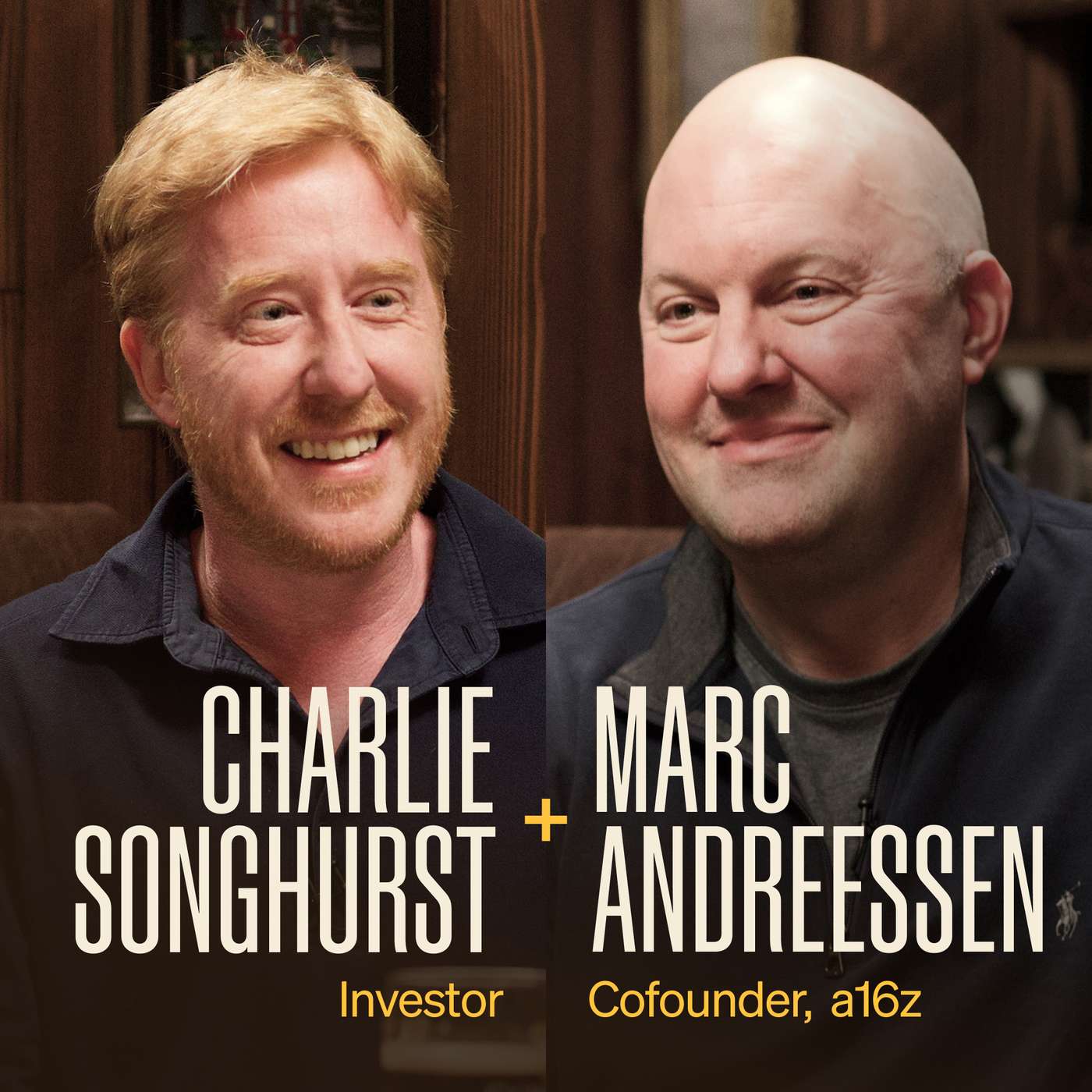
Known for making concentrated 'power law' bets on single category winners, Founders Fund is now invested in three major AI labs: OpenAI, xAI, and Anthropic. This diversification suggests they either see the AI market having multiple distinct winners or are hedging bets in a competitive landscape—a departure from their traditional monopoly-focused thesis.

The firm intentionally builds a powerful, public-facing brand so portfolio companies can 'borrow' its force and reputation at critical development points, accelerating their own growth and market presence.

A16Z's promotional efforts are not for ego. The goal is to build a dominant brand that portfolio companies can 'borrow' at critical moments, using the firm's reputation and force in the world as a slingshot to build their own.

Firms like Sequoia investing in direct competitors (OpenAI and Anthropic) shows that late-stage venture has evolved. When taking small, non-board seat stakes for hundreds of millions, firms act like public market funds, buying a portfolio of category leaders without the information access that would create a true conflict.

AI companies raise subsequent rounds so quickly that little is de-risked between seed and Series B, yet valuations skyrocket. This dynamic forces large funds, which traditionally wait for traction, to compete at the earliest inception stage to secure a stake before prices become untenable for the risk involved.
The CEO of Numeral notes that in the current fundraising climate, startups must heavily feature AI in their pitch to secure investor meetings. Furthermore, landing a major AI lab as a customer has become a key signal for VCs, leading to valuation multiples as high as 100-200x revenue for some companies.
