Get your free personalized podcast brief
We scan new podcasts and send you the top 5 insights daily.
Initial panic over the MFN drug pricing scheme was based on pegging U.S. prices to the lowest in the industrialized world. The actual proposal is far less drastic, targeting the second-lowest price among a small cohort of high-income nations (G7 plus Denmark and Switzerland), a significantly less onerous benchmark.

Related Insights
The U.S. market's high prices create the large profit pool necessary to fund risky drug development. If the U.S. adopted price negotiation like other countries, the global incentive for pharmaceutical innovation would shrink, resulting in fewer new drugs being developed worldwide.

Facing public outrage, Mylan offered a "generic" EpiPen at half price. However, due to convoluted drug pricing economics, this move quelled the controversy while allowing the company to earn nearly the same amount of profit per device. It exposed the illusion of consumer savings in a broken system.

By negotiating prices down from over $1,000 to as low as $150 per month, the government deal fundamentally shifts Ozempic's market position. It is no longer a high-end luxury akin to plastic surgery but an accessible wellness product comparable to a fancy gym membership, dramatically expanding its addressable market.

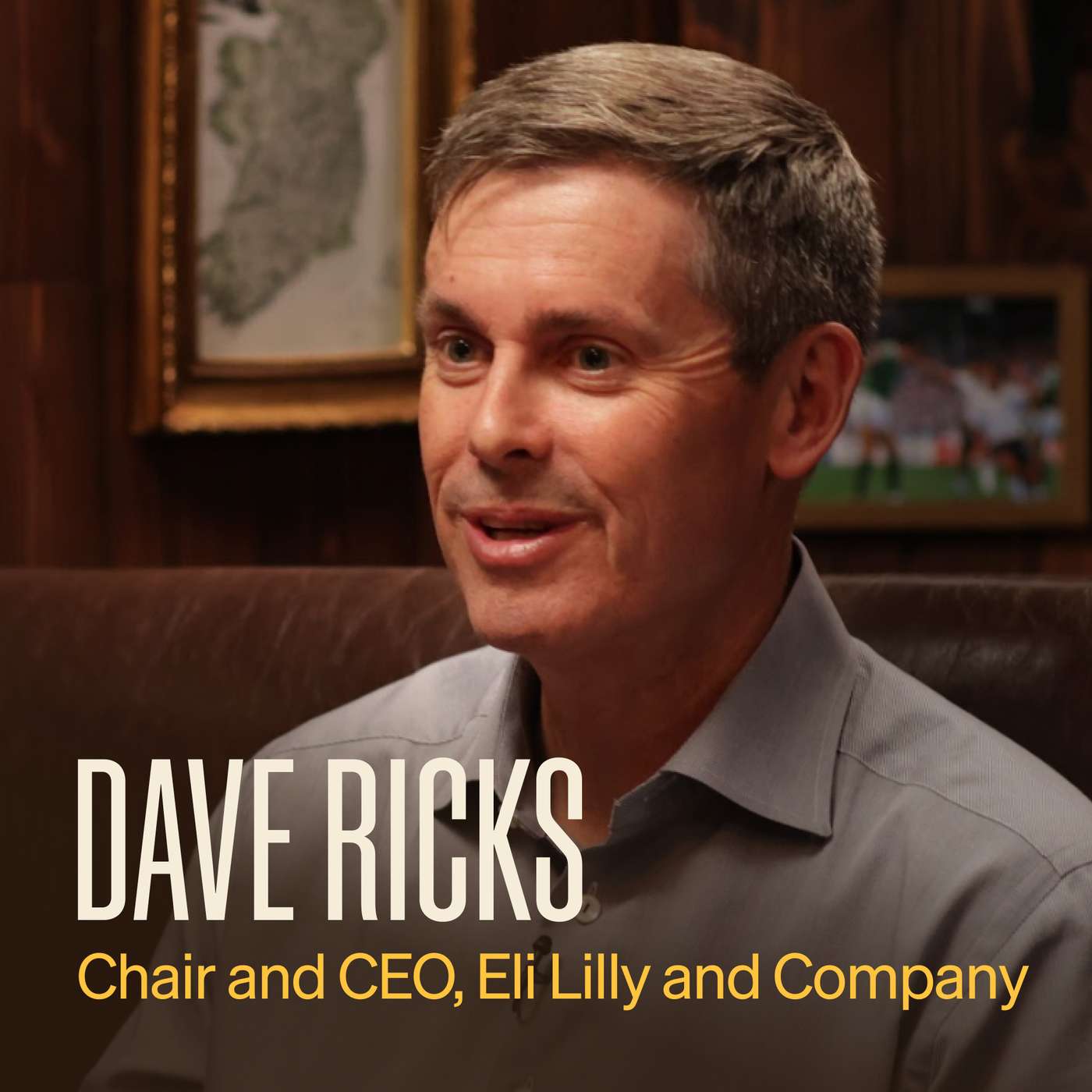
To fix the R&D funding imbalance, the CEO proposes a 'one fair price' system. A drug would have one US price with no rebates, and a price in other developed nations would be indexed to their GDP per capita.
Historically a Democratic focus, drug pricing policy has been co-opted by Republicans, making it a bipartisan political issue. This alignment creates a stable policy overhang and sustained uncertainty around pricing and innovation, deterring generalist investors regardless of which party is in power.

A centrist solution to high drug prices involves combining ideas from both political aisles. Oliver Libby suggests allowing Medicare to negotiate prices (a left-leaning idea) while also extending patent life for drug companies (a right-leaning idea), thus lowering costs without killing the incentive for innovation.

The large gap between insulin's list and net price was driven by Pharmacy Benefit Managers (PBMs). Their business model, which takes a percentage of the rebate, incentivized pharma to raise list prices to offer bigger discounts.
Selling low-cost vaccines to organizations like Gavi isn't just charity for pharmaceutical companies. It creates massive economies of scale, lowering the cost of goods for their high-margin primary markets and increasing overall net profit, creating a powerful win-win incentive structure.

Widespread obesity costs the U.S. hundreds of billions annually. A federal program to negotiate and subsidize GLP-1 drugs to a low monthly cost would be an incredibly effective investment, yielding massive returns in improved public health, productivity, and reduced healthcare spending.

Unlike labor-dependent services that get more expensive, prescription drugs offer a unique societal ROI because they eventually go generic and become cheaper. This deflationary aspect is a powerful, underappreciated argument for investing in drug development, as successful medicines provide compounding value to society over time.
