Get your free personalized podcast brief
We scan new podcasts and send you the top 5 insights daily.
Amidst an early crypto culture often hostile to regulation, Coinbase distinguished itself by taking compliance seriously from day one. Hiring a senior compliance expert as a single-digit employee was a crucial signal to a16z that the founders were building a sustainable, long-term business.

Related Insights
A16z's foundational belief is that founders, not hired "professional CEOs," should lead their companies long-term. The firm is structured as a network of specialists to provide founders with the knowledge and connections they lack, enabling them to grow into the CEO role and succeed.

Counterintuitively, implementing formal processes like documented decision-making (e.g., a RAPID framework) early on increases a startup's velocity. It creates a clear, universally understood system for making decisions, preventing delays caused by ambiguity or passive-aggressive managers.

To compete with established VCs who relied on historical reputation, a16z focused on creating a superior 'product' for entrepreneurs. They designed their firm to provide founders with the brand, power, and access needed to become successful CEOs, a departure from the traditional VC model.
To maintain an exceptionally high talent bar while scaling, Coinbase's top two executives personally review a detailed packet for every prospective employee. They retain the right to veto any hire, demonstrating an extreme commitment to talent quality over speed.
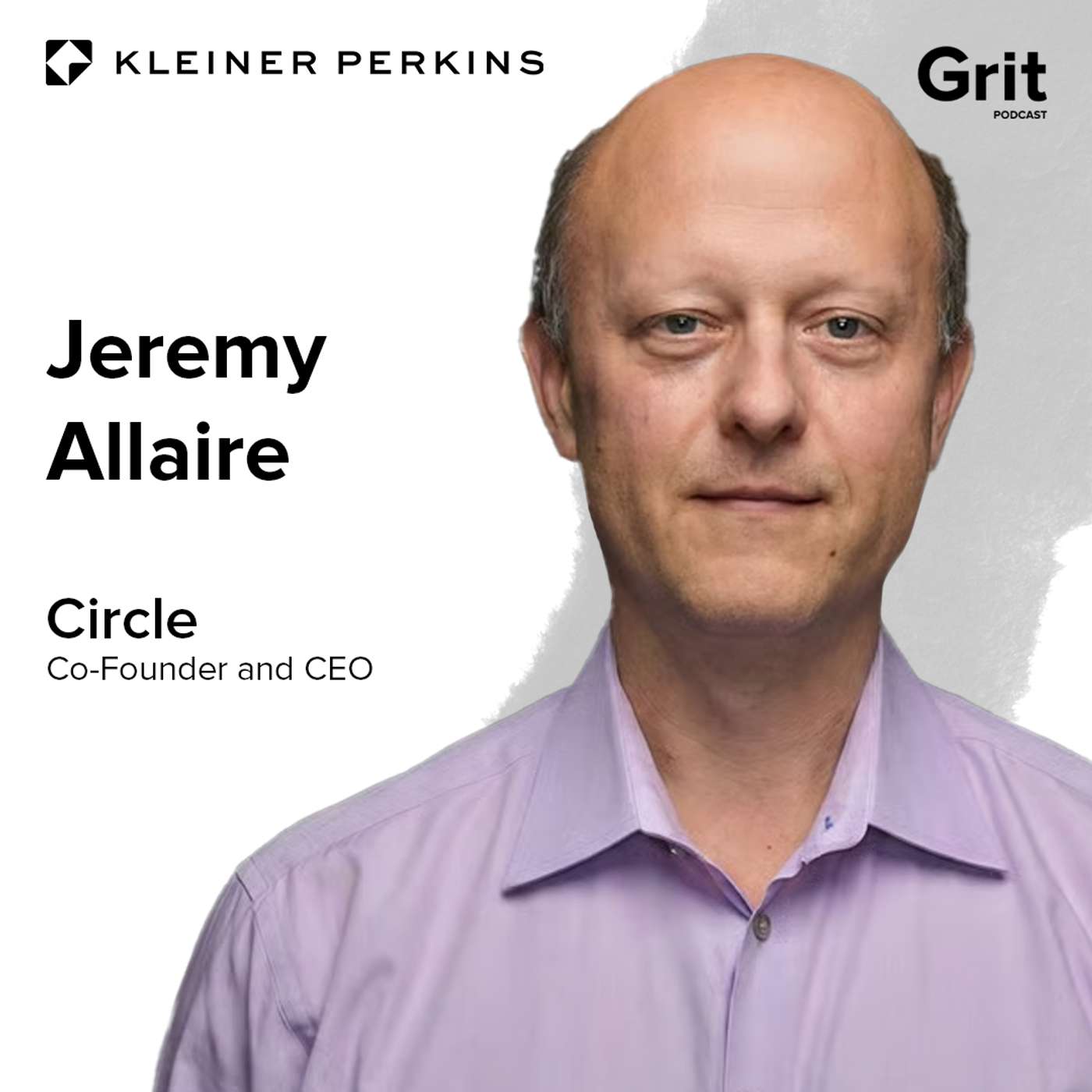
Circle's CEO chose to engage US regulators from the start in 2013, a harder path than competitors who went offshore. This "buttoned up" approach, while met with hate from crypto purists, established long-term trust and a competitive moat, which proved crucial for attracting institutional partners.

While the early crypto market was dominated by cypherpunks advocating for anonymity, Coinbase took the opposite approach. They worked with banks and implemented KYC, betting that mainstream adoption required a compliant, trusted platform, even though it alienated the initial user base.

While competitors faced government lawsuits, Circle remained unscathed by designing its business within existing legal frameworks for payment systems and electronic money. This proactive, compliance-first approach provided a defensive moat against the regulatory uncertainty that plagued the crypto industry.
A16Z's crypto fund prioritizes founders who have spent their careers deeply immersed in a specific sub-industry, even if it's outside crypto. This deep understanding of a problem set, like traditional finance rails or restaurant tech, is a crucial ingredient for success when applying blockchain solutions.

The firm's long-term strategy, established from day one, is to compound reputation above all else. Their primary competitive moat is built on what entrepreneurs say about them compared to other VCs, a standard they apply to every interaction.

While fast-moving, unregulated competitors like FTX garner hype, a deliberate, compliance-first approach builds a more resilient and defensible business in sectors like finance. This unsexy path is the key to building a lasting, mainstream company with a strong regulatory moat.